Harlem, a vibrant neighborhood in Upper Manhattan, has long been a cultural epicenter of art, music, and history. Known for its rich heritage and as a mecca for creativity, Harlem offers an array of experiences that captivate both locals and visitors alike. From soul food restaurants that tantalize the taste buds to historic theaters that resonate with the echoes of legends, here are ten enriching activities to explore in Harlem.
1. Visit the Apollo Theater
Located at 253 West 125th Street, the Apollo Theater is a hallowed institution in American music history. Since its inception in 1934, it has served as a launchpad for legendary artists such as Ella Fitzgerald and James Brown. The theater not only hosts live performances but also offers guided tours that reveal its storied past. For those eager to admire the spectacle of talent, the “Apollo Amateur Night” is an opportunity to witness up-and-coming performers on the very stage where giants once stood.
2. Stroll Through The Studio Museum
At 144 West 125th Street, The Studio Museum in Harlem is an essential stop for anyone interested in contemporary African-American art. The museum has a rotating collection of exhibitions showcasing emerging artists and thought-provoking installations. Visitors can engage with artists’ work while also participating in various community programs and workshops, cementing the museum’s role as a communal hub for creativity and discourse.
3. Enjoy Soul Food at Sylvia’s Restaurant
No visit to Harlem would be complete without indulging in the culinary delights of Sylvia’s Restaurant, located at 328 Malcolm X Boulevard. Founded in 1962, this iconic eatery has garnered fame for its scrumptious fried chicken, collard greens, and cornbread. More than just a dining destination, Sylvia’s embodies the communal spirit of Harlem, where the allure of soul food brings people together around the dinner table for an experience steeped in tradition.
4. Discover the Historic Striver’s Row
Striver’s Row, situated between West 138th and West 139th Streets and Adam Clayton Powell Jr. Boulevard, is a charming residential area featuring exquisite brownstones. These architectural gems represent the aspirations of upwardly mobile African Americans during the late 19th and early 20th centuries. Strolling through this tree-lined enclave provides a glimpse of Harlem’s dedication to elegance and refinement. Each building tells a story of resilience and perseverance, inviting admiration from architectural aficionados.
5. Attend a Jazz Performance at Minton’s Playhouse
Jazz aficionados will find a sanctuary at Minton’s Playhouse, located at 206 West 118th Street. This legendary venue, often considered the birthplace of bebop, continues to host live jazz performances that embody the spirit of innovation. Listening to the smooth sounds of saxophones or the intricate play of piano keys in such a historic setting fosters a deeply immersive experience. The echoes of past legends resonate throughout, giving a palpable sense of continuity in the ever-evolving jazz scene.
6. Explore the National Jazz Museum
For a deeper dive into the legacy of jazz, the National Jazz Museum in Harlem at 58 West 129th Street offers compelling exhibits and educational programs. The museum preserves the rich history of jazz while promoting its influence in today’s music landscape. Through various events, including lectures and live performances, visitors can appreciate the diverse cultural roots of this genre and its significant ties to the Harlem Renaissance.
7. Relax at Marcus Garvey Park
Marcus Garvey Park, nestled between 120th and 124th Streets along Malcom X Boulevard, is an urban oasis that extends an invitation to unwind amidst the city bustle. The park features recreational facilities, a swimming pool, and an amphitheater that hosts summer concerts and festivals. It is a welcoming community space where the vibrancy of Harlem life comes alive. Taking a leisurely stroll or lounging on the grass offers a refreshing respite from the frenetic pace typical of urban life.
8. Discover the Historic Cathedral of St. John the Divine
Located at 1047 Amsterdam Avenue, the Cathedral of St. John the Divine boasts an awe-inspiring architectural presence and is one of the largest cathedrals in the world. Its stunning Gothic revival design, intricate stained glass windows, and peaceful gardens make it a tranquil retreat. The cathedral often hosts concerts, art exhibitions, and community events, reaffirming its role as not only a spiritual haven but also a cultural landmark.
9. Participate in a Harlem Walking Tour
A walking tour of Harlem is one of the best ways to absorb the neighborhood’s rich tapestry of history and culture. Various organizations offer guided tours that explore sites of significance, from the speakeasies of the Prohibition era to the homes of illustrious figures like Langston Hughes. Engaging with knowledgeable guides enhances the experience, providing insights that transcend the superficial understanding of historical markers. The vibrant stories of the past breathe life into the streets, making every step a plunge into history.
10. Experience the Renaissance at 125th Street
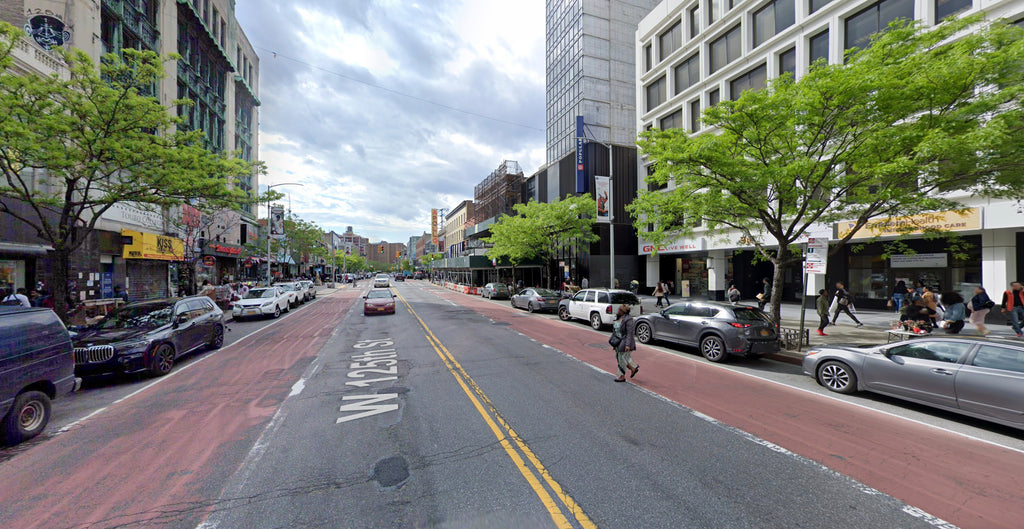
125th Street serves as the bustling artery of Harlem. It is lined with shops, street vendors, and cultural establishments that reflect the neighborhood’s dynamic character. From iconic storefronts to contemporary boutiques, the street encapsulates the intersection of tradition and modernity. Whether indulging in retail therapy or admiring street art, this vital thoroughfare showcases Harlem’s ongoing evolution while honoring its illustrious legacy.
In visiting these ten locations, one finds that Harlem is not merely a neighborhood; it is a living, breathing testament to resilience, culture, and community. Each activity reveals layers of history and artistry, inviting all who traverse its streets to engage with the deeper narratives that shape the essence of this remarkable area.