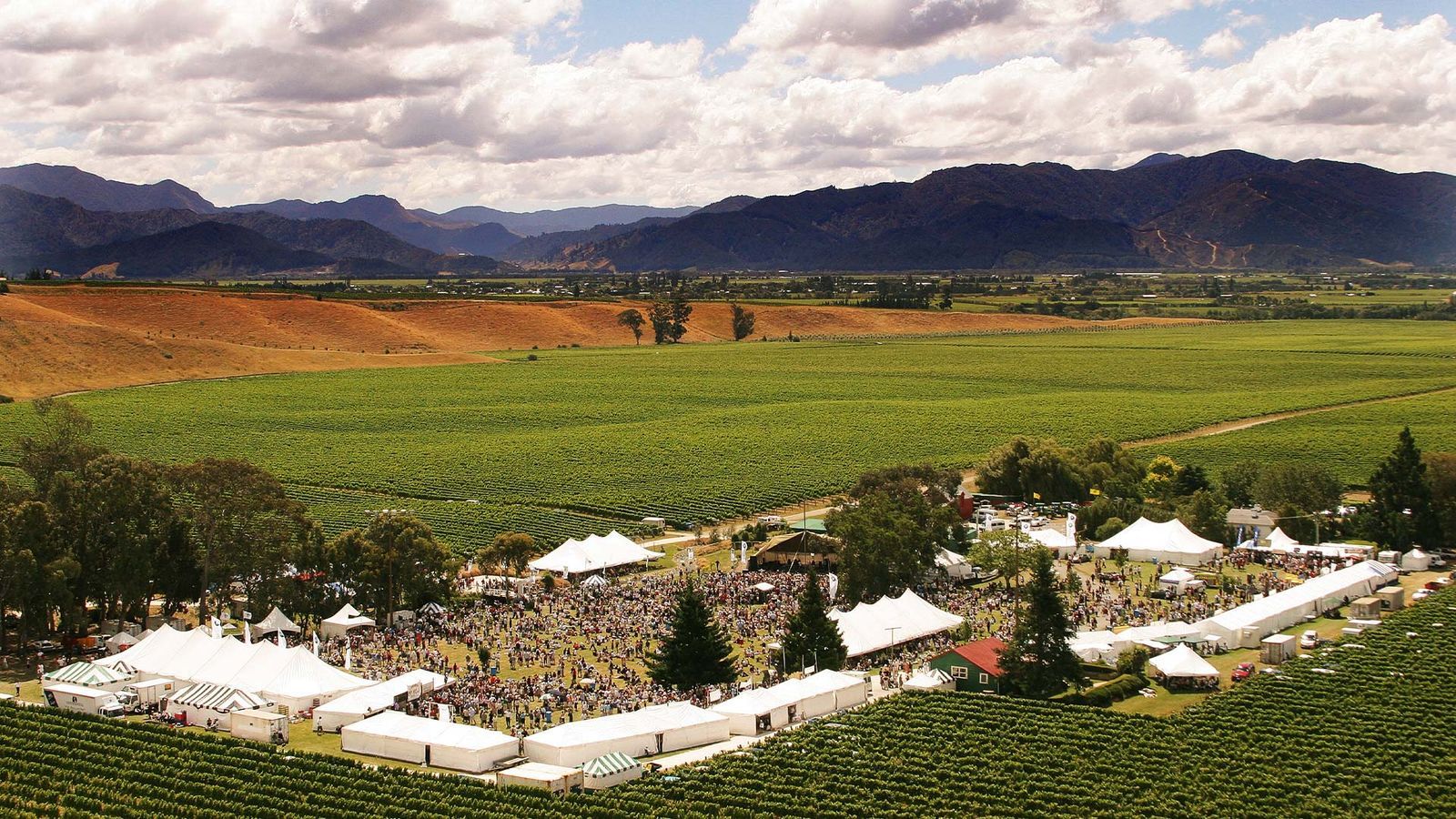
Traveling to remote festival locations often presents unique logistical challenges. These events are frequently held in areas far from urban centers, nestled within countryside expanses or secluded wilderness. For any festival-goer, understanding how to navigate the intricacies of transportation options is crucial for a seamless and enjoyable experience. Whether you prefer the convenience of shuttles, the autonomy of rental cars, or the flexibility of rideshares, each mode offers distinctive advantages and considerations. This article unpacks eight essential strategies for reaching remote festival sites, equipping readers with a comprehensive understanding of what each entails.
Leveraging Official Shuttle Services
Shuttles remain one of the most reliable methods for accessing festivals in isolated locations. Organized by festival coordinators or third-party providers, these services run on predetermined schedules, connecting major transportation hubs—such as airports, train stations, or city centers—to the festival site. Utilizing official shuttle services reduces travel-induced stress, as drivers are seasoned with routes and festival logistics. The predictability of shuttle timings helps festival attendees plan their arrival efficiently, circumventing the hassle of searching for parking or navigating unfamiliar terrain. Additionally, shuttles often foster community among travelers, setting a convivial tone even before reaching the site.
Maximizing Car Rental Advantages
Renting a vehicle offers unparalleled freedom, especially when festival locations demand exploration beyond the main grounds or when attendees intend to stay for extended durations. Opting for a rental car permits detours to scenic vantage points, nearby towns, or other events concurrently occurring in the area. Modern rental services provide a range of vehicles, from compact cars to SUVs, accommodating diverse requirements including off-road capability or extra cargo space for camping equipment. However, renting involves responsibilities such as understanding local driving regulations, securing appropriate insurance, and managing parking logistics, which can prove cumbersome but rewarding for autonomous travelers.
Utilizing Ride Share Services
Rideshare platforms like Uber and Lyft have revolutionized last-mile connectivity, making them an invaluable option in reaching remote festival locales. While the availability of rideshare drivers diminishes with distance from urban areas, coordinating rides in advance or sharing rides with fellow attendees can mitigate cost and accessibility concerns. This mode of transportation is especially beneficial for solo travelers or small groups who prefer not to drive themselves. The data-driven algorithms of rideshare apps also dynamically adjust pricing and availability, enabling flexible timing that aligns with personal itineraries. Nevertheless, users should remain vigilant regarding surge pricing and the potential scarcity of drivers at peak festival times.
Coordinated Carpooling and Ride Shares Among Attendees
Carpooling arranged through festival forums, social media groups, or dedicated carpool platforms fosters economical and environmentally sustainable travel. This peer-to-peer ride-sharing reduces the carbon footprint and diminishes traffic congestion at festival entrances. Carpooling often transcends simple transport arrangements, cultivating connections among attendees which may enhance the overall festival experience. Organizers sometimes facilitate official carpool meeting points or partner with platforms to streamline matching passengers with drivers. However, coordinating times and locations requires patience and clear communication to ensure punctual arrivals.
Exploring Public Transportation Options
For some festivals, public transit networks like buses or trains serve as practical means to partially bridge the distance to remote venues. Though stations may not be immediately adjacent to festival grounds, they provide cost-effective access to peripheral areas accessible by shuttles or short rideshares. Employing public transportation necessitates meticulous planning—checking timetables, route maps, and transfer points—as service frequency can be limited in rural zones. In certain instances, festivals collaborate with local transit authorities to offer special routes or extended service hours, enhancing connectivity without the environmental burdens of private vehicle usage.
Booking Helicopter or Air Transfers
For those seeking an exclusive and expedient route, chartered helicopter or small plane transfers can dramatically reduce travel time to remote festivals. This option is frequently available for high-profile events situated in particularly inaccessible or mountainous terrain. While costlier, aerial transfers circumvent road traffic and terrain challenges altogether, delivering attendees directly to designated landing zones near the festival site. Additionally, these services often operate with schedules that synchronize with festival opening and closing times. Prospective travelers must arrange such transfers well in advance and consider weather-dependent operational restrictions.
Using Off-Road and Specialty Vehicle Rentals
Certain festivals situated in rugged wilderness or desert environments may necessitate vehicles equipped for off-road conditions. Specialty rentals such as ATVs, dirt bikes, or four-wheel-drive trucks can facilitate navigation over uneven terrain where traditional cars falter. These vehicles provide adventurers with an enhanced capacity to explore not only the festival perimeter but also surrounding landscapes. Before committing to such rentals, attendees should assess their driving proficiency, obtain appropriate licensing if required, and confirm the festival’s policies regarding vehicle types. Safety gear and awareness of environmental preservation practices are paramount when using specialty vehicles.
Combining Multiple Transportation Modes
Often, reaching a remote festival is most effective through an orchestrated blend of transportation modes. For example, one might take a train into the nearest town, transfer to a shuttle service for the bulk of the journey, and finally utilize a rideshare for short distances or last-minute errands. This multimodal approach leverages the strengths of each transit option, balancing cost, convenience, and timing. It requires careful itinerary design to minimize downtime and ensure smooth connections. Advanced planning tools, mobile apps, and festival-run transportation coordinators can assist travelers in constructing efficient multi-leg routes.
Successfully arriving at remote festival settings hinges on understanding the transportation landscape and selecting the most suitable options tailored to individual preferences and circumstances. With strategic planning, embracing innovation, and considering sustainability, attendees can transform the journey itself into a memorable segment of the festival adventure.