When it comes to getting from point A to point B, travelers often face a three‑way showdown: traditional car service, rideshare giants like Uber, and the ever‑reliable taxi. Which option will keep your wallet happy? Let’s break down the numbers, toss in a playful question, and even set a challenge for you to test the theory on your next trip.
1. Base Fare Comparison
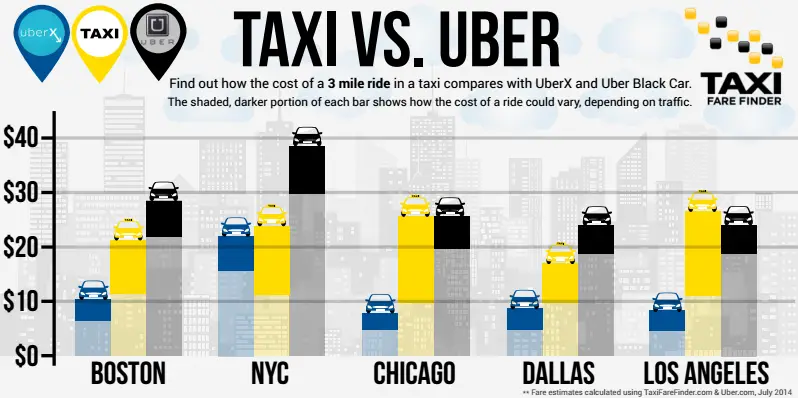
Traditional car services typically start with a higher flat fee, often ranging from $15 to $30 for a standard sedan, reflecting the premium branding and pre‑booked nature of the ride. Uber’s base fare for its UberX tier sits around $2 to $5, while city taxis usually charge $2.50 to $3.50 as the initial flag drop. The difference is stark: car services charge a premium for the promise of professionalism and a guaranteed vehicle, whereas Uber and taxis aim for a low entry point to attract spontaneous riders.
2. Per‑Mile Rates
Car services charge roughly $2.00 to $3.00 per mile, a rate that can be slightly lower for corporate contracts but remains higher than the average rideshare mileage fee of $1.15 to $1.75. Taxis, regulated by local municipalities, often sit between $2.00 and $2.50 per mile. In practice, the per‑mile component can quickly erode Uber’s head start in cheaper base fares, especially on longer trips.
3. Per‑Minute Charges
When traffic snarls or a ride involves a lot of waiting, per‑minute charges become relevant. Car services typically charge $0.30 to $0.50 per idle minute, mirroring the cost of professional drivers’ time. Uber’s “time” charge ranges from $0.15 to $0.35 per minute, while taxis often add a small “waiting” fee of $0.10 to $0.25 per minute. In congested urban centers, the cumulative effect of these rates can significantly affect the final bill.
4. Surge and Dynamic Pricing
Uber’s algorithmic surge pricing can inflate fares by 1.5× to 3× during peak demand, special events, or bad weather. Car services rarely employ surge; instead, they may apply a flat “holiday” surcharge of 10% to 20%. Taxis, bound by municipal fare tables, rarely see dynamic spikes, though some cities impose “peak hour” surcharges of 10% during rush hour. The challenge here is predicting when Uber’s price will jump—an exercise that can feel like a game of chance.
5. Airport Fees and Surcharges
Most airports charge a $4 to $6 pickup fee that is automatically added to taxi fares. Uber includes a similar airport surcharge, typically $5 to $7, depending on the airport. Car services often bundle the fee into their quoted price, making the cost transparent but potentially higher overall. Knowing which service incorporates the fee upfront can prevent surprise additions at the end of the ride.
6. Time‑of‑Day Implications
Nighttime rides can be more expensive across the board. Taxis may add a 20% night surcharge after 10 p.m., while Uber’s “late‑night” multiplier can range from 1.2× to 1.5×. Car services often keep a flat rate regardless of hour, but some premium operators add a 10% night premium. The total impact can vary dramatically, making the “late‑night” slot a critical factor in price comparison.
7. Group Travel Costs
When you’re traveling with a group, the cost per passenger can shift the balance. A standard car service can provide a larger vehicle (e.g., a SUV) for a flat rate of $80 to $120, which, when split among four passengers, becomes competitive with Uber’s “UberXL” surcharge of $15 to $30 extra. Taxis generally charge per ride, not per passenger, so a group of four might end up paying the same as a single rider. The hidden challenge: calculate the break‑even point where a larger vehicle becomes cheaper per head.
8. Luggage and Equipment Fees
Car services often include two pieces of luggage in the base price, with additional charges of $5 to $10 for extra bags or oversized equipment. Uber’s policy allows two standard bags for free, but adds a $2 to $5 fee for each extra item. Taxis may levy a flat “extra luggage” fee of $3 to $6, especially at airport locations. For travelers carrying more gear, these ancillary costs can tip the scales.
9. Tip Expectations and Policies
Traditional car services rarely expect a tip; the service charge is considered inclusive. Uber riders are encouraged to tip via the app, with an average of $2 to $5 per trip, though it’s optional. Taxi drivers often rely on tips, with a common expectation of 10% to 15% of the fare. When you factor in the tip, the “net” cost of Uber and taxis can rise noticeably, especially for short rides.
10. Booking and Convenience Fees
Car services typically charge a $2 to $5 reservation fee, which is deducted from the total fare. Uber’s “service fee” is embedded in the fare calculation and usually amounts to 10% to 15% of the base fare. Taxis, especially those booked via phone or an app, may add a $1 to $3 convenience surcharge. For the cost‑conscious traveler, these small fees accumulate over multiple trips.
11. Cancellation Policies and Penalties
If a ride is canceled, car services often impose a $10 to $20 cancellation fee after a short grace period. Uber’s cancellation fee ranges from $5 to $10, depending on the city and the time of cancellation. Taxis rarely have a formal cancellation penalty, but some dispatch services will charge a $5 fee if you cancel after a driver has been dispatched. Avoiding penalties becomes a tactical part of the price‑saving challenge.
12. Hidden Fees and Taxes
Municipal taxes can add 5% to 10% to taxi fares, while Uber incorporates state and local taxes into the displayed price, making it harder to see the true cost. Car services may list taxes separately on the final receipt, often adding a 7% to 9% levy. The most transparent option is the one that shows every charge up front—something to watch for when comparing quoted prices.
13. Loyalty Programs and Corporate Discounts
Many car service firms offer corporate accounts with 10% to 15% discounts for regular business travel. Uber’s “Uber for Business” program can provide volume‑based savings and monthly invoicing, while some local taxi cooperatives offer punch‑card discounts for frequent riders. If you travel often, enrolling in a loyalty program can be the decisive factor in a cost comparison.
14. Real‑World Cost Test: The Challenge
Here’s a playful question: can you predict which service will cost the least for a 12‑mile round‑trip from downtown to the airport during a Saturday evening? The challenge is to run the numbers yourself, using the rates above, and then test the hypothesis by booking each option on the same night. Record the final fare, including tips, fees, and taxes, and see which prediction holds true. The answer may surprise you, especially when surge pricing or night surcharges swing the balance.