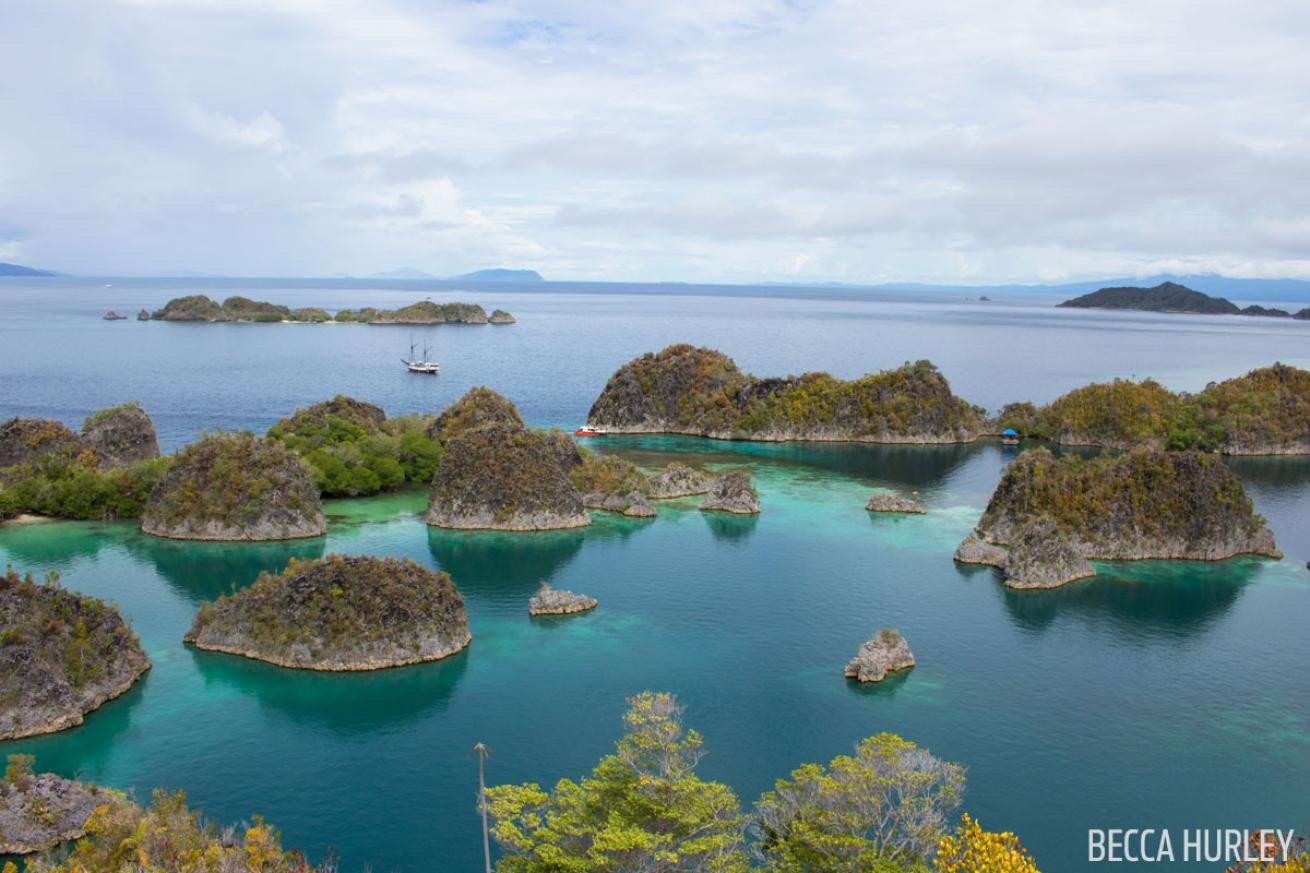
Raja Ampat, located in Indonesia’s West Papua province, is renowned as one of the world’s most biodiverse marine environments. This guide outlines the core content categories that divers and planners will encounter when exploring the region, offering a clear roadmap for preparation, execution, and post‑dive reflection. Each section highlights the essential information, tools, and insights needed to maximize safety, enjoyment, and ecological appreciation while scuba diving in Raja Ampat.
1. Comprehensive Dive Site Overviews
Each major dive location is featured with a detailed description that includes geographic coordinates, depth ranges, typical currents, and entry methods (boat, shore, or liveaboard). The overviews also rank sites by difficulty level, visibility, and primary attractions, helping divers select locations that match their certification and experience. Photographs and satellite maps accompany the text, giving readers a visual reference before they set foot—or fin—on the water.
2. Marine Life Identification Guides
Raja Ampat’s reef ecosystems host over 1,500 fish species and 600 coral species. This section provides concise, high‑resolution images and taxonomic keys for commonly encountered marine life, from iconic pygmy seahorses to elusive wobbegongs. Each entry lists distinctive features, typical behavior, and recommended spotting techniques, enabling divers to quickly identify organisms during a dive and enrich their underwater photography.
3. Seasonal and Weather Planning Charts
Timing is critical for optimal diving conditions. The guide includes monthly weather patterns, sea‑state forecasts, and monsoon cycles, presented in easy‑to‑read tables and graphs. It also outlines the best months for visibility, macro photography, and large pelagic encounters, allowing readers to schedule trips that align with personal dive goals and climatic preferences.
4. Dive Operator Comparison Tables
Choosing a reputable operator influences safety, equipment quality, and overall experience. This content presents side‑by‑side comparisons of licensed dive shops, live‑aboard vessels, and boutique resorts. Criteria such as certification levels, group sizes, environmental policies, equipment maintenance schedules, and price brackets are systematically listed, assisting divers in making informed selections based on budget and standards.
5. Equipment Checklists and Rental Guides
Raja Ampat’s remote locations require careful gear preparation. The article supplies a master checklist covering mandatory items (BCD, regulator, dive computer) and optional accessories (underwater camera housings, reef hook, surface marker buoy). It also outlines rental options at major dive hubs, detailing brand availability, service intervals, and insurance policies to ensure that divers never compromise on equipment reliability.
6. Safety Protocols and Emergency Procedures
Safety information is organized into clear, step‑by‑step procedures covering pre‑dive briefings, buddy checks, decompression strategies, and emergency response plans. The guide highlights local medical facilities, hyperbaric chambers, and evacuation routes, as well as contact information for regional rescue services. Emphasis is placed on coral‑friendly dive practices to protect both divers and the fragile ecosystem.
7. Conservation and Sustainable Diving Practices
Raja Ampat’s marine reserves operate under strict regulations. This section educates readers on permit acquisition, no‑take zones, and reef‑cleaning initiatives. It provides actionable tips for minimizing carbon footprints, such as using reef‑safe sunscreen, limiting single‑use plastics, and participating in citizen‑science programs that record species sightings for ongoing research.
8. Underwater Photography Tips and Techniques
For divers interested in capturing Raja Ampat’s vibrant seascape, the guide offers technical advice on camera settings, lighting, and composition. Specific recommendations address challenges like low light at depth, backscatter reduction, and color correction. Sample shot lists for each dive site help photographers anticipate key subjects and frame their images efficiently.
9. Cultural and Local Community Insights
Beyond the ocean, the region’s indigenous communities shape the diving experience. This content provides background on local customs, language basics, and respectful interaction guidelines. Information on community‑run homestays, traditional cuisine, and cultural festivals allows divers to engage responsibly with residents and support sustainable tourism initiatives.
10. Trip Planning Templates and Budget Calculators
To streamline logistics, printable templates for itinerary planning, equipment budgeting, and daily expense tracking are included. Interactive calculators estimate total trip costs based on variables such as travel dates, accommodation type, dive package selection, and equipment rental. These tools enable divers to forecast expenses accurately and adjust plans according to financial constraints.
11. Frequently Asked Questions (FAQ) Section
A curated list of common queries addresses topics like visa requirements, vaccination recommendations, language barriers, and Wi‑Fi availability. Each answer is concise yet thorough, providing actionable steps and trusted resources. The FAQ is periodically updated to reflect changes in regulations and local conditions, ensuring that readers receive current information.
12. Post‑Dive Logging and Reporting Resources
Accurate dive logs are essential for tracking progress and contributing to scientific databases. The guide recommends reliable electronic logging apps, paper logbook formats, and submission portals for the Global Reef Monitoring Network (GRMN). Instructions on data entry, photo uploads, and species reporting are provided, encouraging divers to become active participants in marine conservation.