Corner rooms are often overlooked in favor of standard interior spaces, yet they hold a distinct set of advantages that can dramatically improve a guest’s stay. By consistently choosing a corner room, travelers unlock benefits that go beyond simple aesthetics, influencing comfort, convenience, and overall satisfaction. Below are the key reasons why a corner room should be at the top of your booking checklist.
1. Panoramic Views
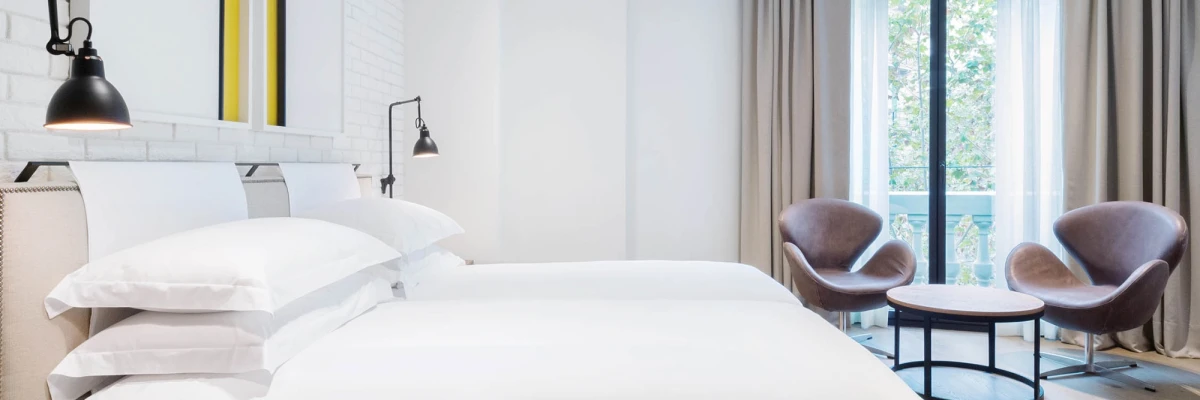
Because a corner room typically has windows on two exterior walls, guests enjoy a broader field of vision. This dual exposure lets natural light flood the space from multiple angles, framing city skylines, waterfronts, or garden vistas that are impossible to capture from interior rooms.
2. Enhanced Natural Light
The additional window surfaces increase sunlight penetration throughout the day, reducing the need for artificial lighting. Guests often find that this natural illumination creates a more welcoming atmosphere and can even improve mood and energy levels during extended stays.
3. Superior Ventilation
With two outward-facing walls, corner rooms allow cross‑breathing airflow, which is more effective than a single opening. This natural ventilation helps regulate temperature, decreases reliance on air‑conditioning, and promotes a fresher indoor environment.
4. Greater Privacy
The placement of a corner room at the edge of a building typically positions it farther from high‑traffic corridors and elevators. This distance reduces incidental foot traffic and hallway noise, granting a quieter, more secluded retreat for guests.
5. More Spacious Feel
The layout of a corner unit often incorporates an irregular shape that creates extra floor space along the angled walls. This additional square footage can be used for a larger work desk, a seating area, or simply to spread luggage without feeling cramped.
6. Prime Position for Amenities
Many hotels locate premium amenities—such as pools, fitness centers, or executive lounges—near the building’s periphery. Staying in a corner room places guests closer to these facilities, cutting walking time and making spontaneous visits more convenient.
7. Ideal for Photography
The abundance of natural light and expansive backdrops make corner rooms a favored spot for travelers who enjoy documenting their trips. Photographs taken from these windows tend to feature richer colors, sharper contrast, and a sense of depth unavailable in interior settings.
8. Better Air Quality
Cross‑ventilation combined with dual exposure to outside air improves indoor air exchange rates. This reduces the buildup of stale odors, airborne particles, and humidity, contributing to a healthier sleeping environment.
9. Increased Resale Value for Rentals
For property owners who list rooms on short‑term rental platforms, corner units command higher nightly rates and tend to receive better reviews. The perceived upgrades in view, light, and space translate into a competitive edge in crowded marketplaces.
10. Flexible Furniture Layout
The angular design of a corner room allows guests to arrange furniture in unconventional ways, such as positioning a sofa facing one window while a desk faces the other. This flexibility accommodates both work and leisure needs without sacrificing comfort.
11. Lower Noise Interference
Since corner rooms are positioned away from central elevators, stairwells, and service corridors, they experience fewer mechanical vibrations and footfall sounds. This isolation is especially valuable for light sleepers or business travelers requiring quiet for conference calls.
12. Unique Selling Point for Hotels
Hotels that promote their corner rooms as premium options create a distinct brand narrative. Guests who value exclusive features are more likely to book directly, bypassing third‑party sites, which can reduce commission fees and increase loyalty.