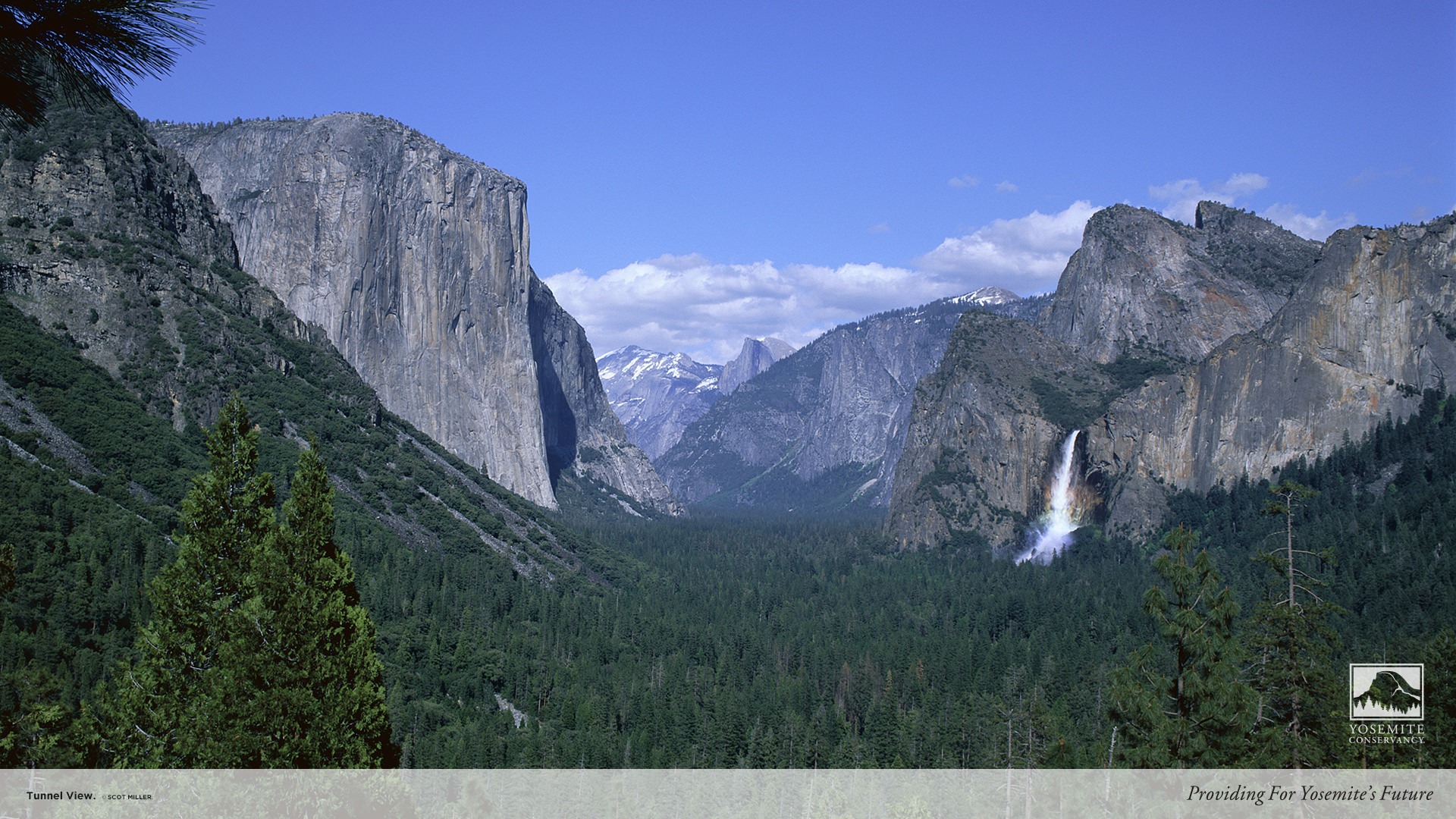
The Tunnel View in Yosemite National Park is one of the most photographed vistas in the United States, offering a sweeping panorama of El Capitan, Bridalveil Fall, and Half Dome framed by the iconic arch of a historic mining tunnel. Visitors often comment on the sheer dramatic beauty of the scene, yet the reasons for its magnetic pull run deeper than aesthetics alone. This guide explores the key elements that make Tunnel View a compelling destination, providing practical insights and contextual understanding for travelers seeking more than a quick snapshot.
1. Geologic Composition Reveals Millennia of Earth’s History
The towering granite monoliths visible from Tunnel View are the product of an ancient volcanic intrusion that cooled slowly beneath the Earth’s surface over 100 million years ago. Over time, erosion stripped away softer surrounding rock, exposing the massive cliffs that dominate the landscape today. Understanding this geologic narrative enriches the visual experience, turning a simple photo opportunity into a lesson in deep time and planetary processes.
2. Strategic Location Along the Historic Tioga Road
Tunnel View sits at the entrance of the Wawona Tunnel on California State Route 41, the primary artery connecting the southern entrance of Yosemite to the higher elevations of the park. The tunnel’s placement was deliberate, intended to provide travelers with a grand first impression of the valley below. This positioning also serves as a natural viewpoint, ensuring that visitors can pause and absorb the vista without the distraction of steep climbs or dense traffic.
3. Seasonal Variation Offers Distinct Visual Narratives
While summer brings clear skies and bright contrasts, autumn paints the valley with golden foliage and misty mornings, and winter cloaks the scene in a soft blanket of snow. Each season reshapes the color palette and atmospheric mood, encouraging repeat visits. Observers often note the “different personality” of the view across the year, a phenomenon rooted in shifting weather patterns and the valley’s microclimate.
4. The Influence of Light and Shadow on Perception
Early morning light casts elongated shadows that accentuate the rugged texture of El Capitan’s face, while the golden hour bathes Half Dome in warm hues. Photographers frequently capture the same composition at varying times of day to exploit the dynamic interplay of illumination. This phenomenon highlights a deeper human fascination with light as a storytelling medium, linking visual perception to emotional response.
5. Cultural Significance in American Landscape Art
Since the 19th century, artists such as Thomas Hill and Albert Bierstadt have depicted the Tunnel View vista in paintings that helped popularize Yosemite as a symbol of American wilderness. The view’s recurring presence in art underscores its role as an icon of natural grandeur, shaping public perception and reinforcing its status as a cultural touchstone.
6. Geological Fault Lines Influence Topography
The vertical cliffs surrounding Tunnel View are aligned with ancient fault lines that contributed to the uplift of the Sierra Nevada. These structural forces created the dramatic relief that defines the view. Recognizing the underlying tectonic activity adds a scientific layer to the appreciation of the vista, connecting geological forces to the present-day scenery.
7. The Role of Water in Shaping the Landscape
Bridalveil Fall, captured in the foreground of Tunnel View, originates from a high-elevation snowfield that feeds a perennial stream. Seasonal variations in meltwater volume directly affect the waterfall’s intensity, influencing the overall visual balance of the scene. Observers who notice this fluid component gain insight into the hydrological cycles that sustain Yosemite’s ecosystems.
8. Accessibility and Visitor Infrastructure
Parking lots, restrooms, and clear signage make Tunnel View one of the most accessible scenic points in the park, accommodating a wide range of visitors, including those with limited mobility. The design of these facilities reflects National Park Service priorities for inclusivity while preserving the natural integrity of the landscape.
9. Photographic Framing Techniques for Optimal Composition
The natural arch of the Wawona Tunnel creates a built-in frame, encouraging photographers to position themselves centrally to capture the classic “three peaks” composition. By adjusting height, angle, and focal length, visitors can emphasize different elements—such as isolating Half Dome against a stormy sky—to convey varied narratives within the same setting.
10. Psychological Impact of Vast Open Spaces
Studies in environmental psychology indicate that expansive vistas like Tunnel View can evoke feelings of awe, reduce stress, and promote a sense of connection to the natural world. The psychological response to this viewpoint explains why visitors often describe it as “breath‑taking” beyond merely describing visual beauty.
11. Seasonal Wildlife Encounters at the Viewpoint
During spring, marmots emerge from burrows near the parking area, while winter may bring sightings of black bears traversing the lower slopes. These animal presences add a dynamic layer to the static landscape, reminding observers that the view exists within a living ecosystem.
12. Conservation Efforts Protecting the Vista’s Integrity
Park management implements measures such as limiting vehicular traffic during peak times and enforcing strict waste disposal policies to mitigate human impact. Understanding these conservation strategies informs visitors of the responsibility they share in preserving Tunnel View’s pristine condition for future generations.
13. The Mythic Allure of Half Dome’s Silhouette
Half Dome’s distinct shape, visible from Tunnel View, has inspired countless legends and artistic representations. Its prominence in the skyline serves as a visual anchor, drawing the eye and providing a sense of orientation within the vast valley. This iconic silhouette contributes to the site’s lasting fascination.
14. Impact of Climate Change on Visibility
Rising temperatures affect snowpack levels on the high Sierra, altering the frequency and thickness of cloud cover that can obscure the view. Monitoring these trends offers a tangible example of climate change’s effect on iconic landscapes, turning the viewpoint into a real‑time indicator of environmental shifts.
15. Integration of Indigenous Narratives
The Ahwahneechee people, original inhabitants of the Yosemite Valley, revered the towering cliffs as sacred beings. Including these Indigenous perspectives invites deeper respect for the land and acknowledges the cultural layers that predate modern tourism.
16. Architectural Significance of the Wawona Tunnel
Constructed in 1933, the tunnel is an example of early 20th‑century park architecture designed to blend function with natural beauty. Its stone façade and rustic design complement the surrounding environment, demonstrating how human engineering can coexist harmoniously with wilderness.
17. Ideal Viewing Times for Minimal Crowds
Visiting early before sunrise or late in the afternoon on weekdays typically reduces the number of fellow tourists, allowing a more contemplative experience. Knowing these optimal windows helps travelers avoid peak crowds and experience the view with greater solitude.
18. Educational Programs Hosted at the Viewpoint
The National Park Service offers seasonal ranger talks that discuss the geology, ecology, and history of the Tunnel View area. Participation in these programs enriches the visitor’s understanding and fosters a deeper appreciation beyond visual admiration.
19. Role of the View in Film and Media
Tunnel View has been featured in numerous documentaries, travel shows, and advertising campaigns, cementing its image in popular culture. This media exposure perpetuates the site’s reputation, contributing to the collective fascination and desire to witness the famed scene in person.
20. Practical Tips for Maximizing Your Visit
Bring a wide‑angle lens for photography, wear layers to accommodate variable temperatures, and carry a refillable water bottle to stay hydrated. Checking the weather forecast, arriving early, and reviewing park alerts on the official Yosemite website ensure a safe and rewarding experience at Tunnel View.