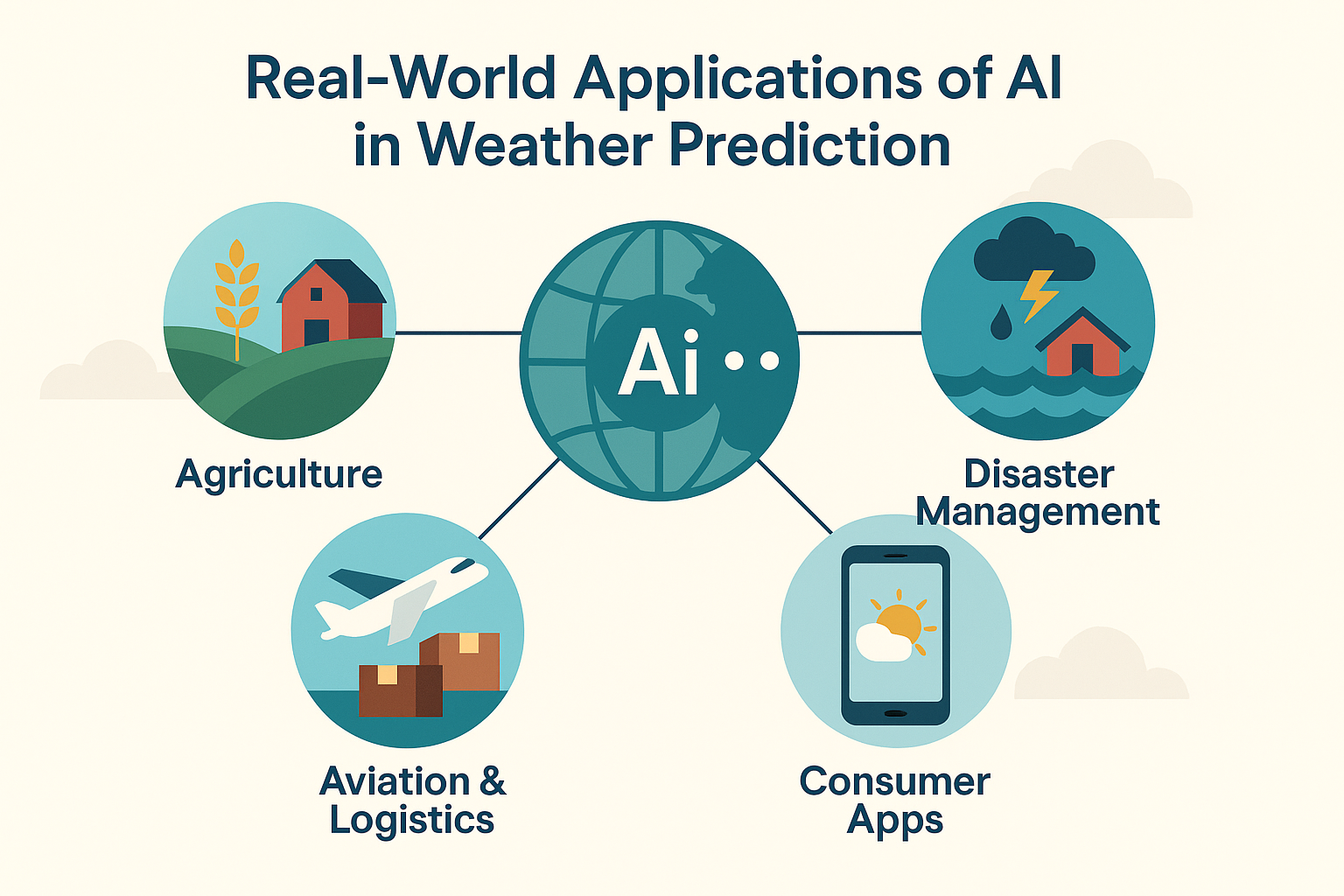
There’s a peculiar thrill in setting off on a journey, the intoxicating mix of anticipation and the unknown. Yet, one common quirk of our wanderlust is the ever-looming specter of weather—those capricious elements that can make or mar the most carefully laid plans. We all know the frustration: a sun-drenched morning turning into a drenched disaster, or a serene afternoon abruptly robbed by an unexpected squall. It’s this very unpredictability that fuels the fascination with AI weather-powered travel planners. They promise a realm where storms are foreseen, sunshine is optimized, and surprises—at least meteorological ones—are deftly outmaneuvered. But beneath that utility lies a deeper yearning: a human craving to wrest order from chaos, to harmonize adventure with reliability. The following exploration delves into nine innovative AI travel planners, each harnessing weather data as the unseen compass guiding travelers to smarter, safer, and more sublime escapades.
1. AI-Powered Forecasts as Travel Compasses
At the heart of the new generation of travel planners is a robust integration of real-time, hyper-local weather forecasting. This isn’t mere temperature-tracking; it’s about understanding microclimates, anticipating sudden shifts, and tailoring itineraries to avoid meteorological pitfalls. Users no longer need to waste precious time poring over weather apps or second-guessing vague predictions. Instead, AI filters the noisy cacophony of atmospheric data into precise, actionable advice. Imagine waking up in an unfamiliar city and receiving a travel plan that pivots effortlessly around a predicted thunderstorm—shopping museums instead of outdoor markets, sampling cuisine indoors rather than at a breezy street café. This immediate adaptability is reshaping how travelers interact with their environments, engendering confidence and reducing anxiety.
2. Personalized Itineraries That Think Like You Do
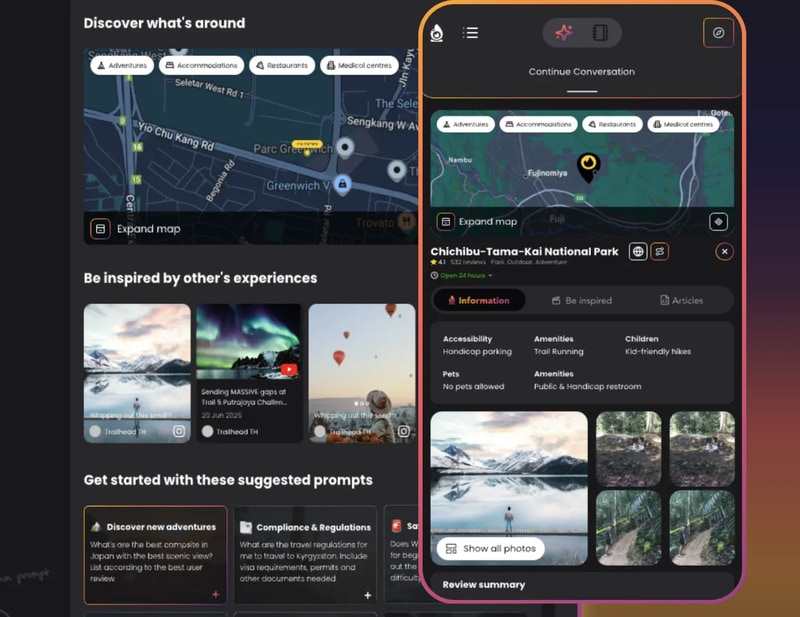
These AI systems don’t just regurgitate weather data; they synthesize it in harmony with your preferences, travel pace, and risk tolerance. Whether you thrive under the noon sun or avoid any hint of drizzle, AI molds the day’s agenda to optimize enjoyment. Some planners use machine learning algorithms that evolve over time, refining their recommendations based on your feedback and behavior. This dynamic personalization breathes life into itineraries, dissolving the staid rigidity of standard travel guides. The result is a bespoke journey, attuned not just to the skies but to the subtle cadence of your personality.

3. The Psychological Comfort of Foreknowledge
Humans have always sought patterns to soothe the existential unpredictability of existence. Knowing tomorrow’s weather isn’t just about logistics; it’s a balm against uncertainty. AI planners tap into this primal desire, offering a semblance of control amid chaos. This psychological comfort transforms the travel experience. Anxiety dissipates, replaced by calm confidence. The traveler becomes a strategist, not a victim of the elements. This subtle shift in mindset elevates the entire journey from reactive survival to proactive enjoyment.
4. Dynamic Re-Routing and On-the-Fly Adjustments
Weather waits for no itinerary. Suddenly, an unexpected tempest rolls in, threatening to drown plans. This is where AI’s real power asserts itself—dynamic re-routing. Unlike static travel guides, AI planners continuously ingest fresh weather data, rerouting your path in real-time. If a rainstorm brews over your planned hiking trail, the system might redirect you to a nearby indoor exhibit or a cozy café with panoramic views. These instantaneous pivots are more than convenience—they are essential for preserving the integrity and joy of your journey. They grant agility analogous to a seasoned local guide anticipating the whims of nature.
5. Integration of Environmental and Activity Data
Weather alone doesn’t tell the full story. Leading AI travel planners incorporate environmental data such as air quality, pollen counts, and UV indices alongside day-specific activity considerations. For instance, a sunny but high-aeroallergenic day may prompt a suggestion for a serene museum visit rather than a strenuous trek through pollen-laden fields. Some systems even correlate weather predictions with business hours and crowd trends, ensuring you arrive at destinations at optimal times. This multi-layered approach weaves a nuanced travel fabric—one that respects your health, preferences, and the subtleties of place.
6. The Allure of Predictive Vacation Planning
What’s most tantalizing about these AI systems is their predictive prowess. Planning far in advance was once an exercise in guesswork, with weather forecasts notoriously unreliable beyond 7-10 days. Yet, by merging cutting-edge meteorological models with AI analysis, some planners extend reliable forecasts into the future, guiding vacation timing akin to ancient mariners reading the stars. This advantage transforms seasonal or long-distance trips, enabling travelers to seize ephemeral weather windows—those perfect storm breaks or summery interludes that might otherwise go unnoticed. It’s a modern-day oracle for the discerning explorer.
7. The Democratization of Smart Travel
These AI planners dismantle traditional barriers to weather-savvy travel expertise. No longer must you be a meteorologist or hire a personal guide steeped in local climate quirks. The power to outmaneuver nature is now accessible to anyone armed with a smartphone. This democratization levels the playing field, bestowing the benefits of foresight on solo adventurers, budget travelers, and globe-trotting novices alike. It sparks a new era where intelligent journeys are not the exclusive domain of elite insiders but open to all with curiosity and a thirst for risk-managed adventure.
8. Ethical Considerations: Data Privacy and Environmental Impact
With great power comes great responsibility. Such sophisticated AI planners rely on extensive data harvesting—not only meteorological but also personal usage patterns. Users must remain vigilant about privacy and consent. Moreover, by optimizing routes and activities based on weather, these systems can reduce unnecessary travel and resource waste, subtly promoting environmentally conscious tourism. There’s an ironic poetry in using artificial intelligence to conserve the very natural world that travelers seek to experience. This dual impact prompts reflection on the evolving relationship between technology, individual freedom, and ecological stewardship.
9. The Future of Travel: Beyond Weather into Multi-Sensory AI
If weather forecasting is the foundation, the future promises an immersive evolution whereby AI leverages multispectral data—soundscapes, crowd density, even emotional analytics—to craft experiential itineraries. Tomorrow’s travel planners might not only tell you to avoid storms but predict the most photogenic moments, recommend routes calibrated to your mood, or blend virtual and real environments to prepare you for sensory delights ahead. Such an expansion transcends simple practicality, nudging travel into the realm of art and personal transformation, shaped by unseen forces but deeply human in essence.
In this age of relentless unpredictability, AI weather-powered travel planners offer a powerful antidote. They promise not dull predictability but exquisite balance—between adventure and safety, spontaneity and control, nature’s whimsy and human ingenuity. To embrace them is to acknowledge a profound truth: beneath every journey lies a quest for harmony with an ever-shifting sky.