What if the secret to unlocking the most profound solo travel experiences isn’t found in the hordes of summer tourists or the neon-lit streets of peak-season hotspots, but in the quiet corners of the world during its off-season? The lull between peak travel months isn’t just a time to avoid crowds—it’s an invitation to rediscover destinations on your own terms, where the absence of fellow wanderers becomes the ultimate luxury. But here’s the catch: off-season travel isn’t for the faint of heart. It demands adaptability, a tolerance for unpredictability, and a willingness to embrace the unknown. So, if you’re ready to trade in the predictable for the extraordinary, these four destinations promise solitude, authenticity, and a side of adventure that peak-season travelers will never know.
The Enigmatic Charms of Reykjavik in Winter: Where Fire Meets Ice
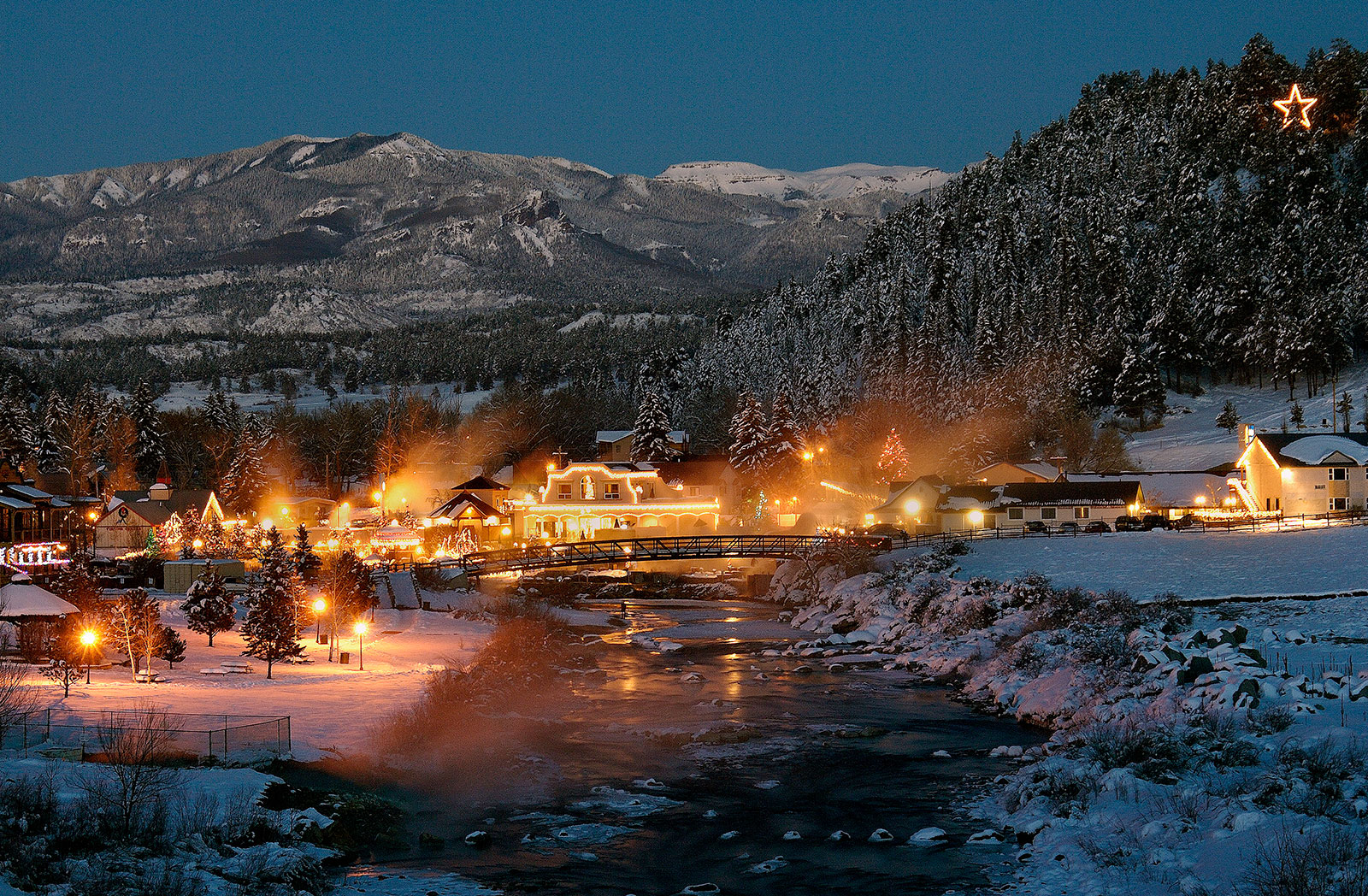
Imagine a city where geothermal spas bubble under the glow of the aurora borealis, where the streets hum with the stories of Viking lore, and where the only footprints in the snow are yours. Reykjavik in winter isn’t just a destination; it’s a mythic playground for the intrepid solo traveler. The city’s compact size makes it perfect for wandering without a map, and the long, dark nights transform the landscape into a canvas of shimmering lights and frost-kissed silence.
But don’t be fooled by the postcard-perfect scenes. Winter in Iceland is a test of resilience. The roads can be treacherous, the weather mercurial, and the daylight hours so fleeting that you’ll find yourself chasing the sun like a modern-day vampire. Yet, it’s precisely these challenges that forge the most unforgettable memories. Picture yourself soaking in the Blue Lagoon as snowflakes kiss your shoulders, or standing alone on a black sand beach, the wind howling like a chorus of ancient spirits. The solitude here isn’t just about space—it’s about time, a rare commodity in our hyper-connected world.

The Underrated Allure of Tbilisi: A Caucasus Gem Waiting to Be Claimed
Why does Tbilisi, the capital of Georgia, remain a well-kept secret when cities like Paris and Rome are drowning in tourists? Perhaps it’s the city’s unapologetic blend of old-world charm and avant-garde energy, or maybe it’s the fact that it hasn’t yet been commodified into a cliché. Tbilisi in the off-season—particularly in late autumn or early spring—is a masterclass in serendipity. The streets, once teeming with day-trippers, now belong to you: the cobblestone alleys of Old Town, the sulfur baths of Abanotubani, and the vertiginous views from Narikala Fortress all unfold at your leisure.
Yet, Tbilisi isn’t for the traveler seeking polished perfection. The infrastructure can be chaotic, the language barrier a delightful puzzle, and the concept of “customer service” still in its infancy. But here’s the thrill: you’re not just a tourist; you’re a participant in the city’s raw, unfiltered narrative. Dine at a local *supra* (feast) where the toasts never end, or lose yourself in the labyrinthine markets of Dry Bridge, where Soviet relics and flea-market treasures collide. The real magic? You’ll leave with stories no one else can replicate.

The Wild, Untamed Beauty of Patagonia in Shoulder Season
Patagonia is the kind of place that makes you question why you ever settled for crowded beaches and overpriced lattes. But here’s the kicker: the best time to experience it isn’t during the summer crush, when every trail is a conga line of backpackers, but in the shoulder seasons—April-May or September-October—when the crowds thin and the elements turn dramatic. The wind here doesn’t just blow; it sculpts the landscape, carving jagged peaks from granite and whipping the grass into a frenzy. It’s a place where solitude isn’t just possible; it’s inevitable.
Of course, Patagonia doesn’t do “easy.” The weather is a mercurial beast, the trails can be treacherous, and the nearest town might be a day’s hike away. But for the solo traveler willing to embrace the challenge, the rewards are unparalleled. Imagine trekking the W Circuit with only the company of guanacos and condors, or standing on the shores of Lago Pehoé as the sun sets behind the Torres del Paine, the silence so profound you can hear your own heartbeat. The solitude here isn’t just about being alone—it’s about being *part* of something vast and untamed.

The Forgotten Elegance of Kyoto in Winter: A Zen Escape
Kyoto in winter is a paradox—a city renowned for its cherry blossoms and golden temples, yet transformed into a hushed, monochromatic dreamscape when the crowds depart. The absence of tourists isn’t just a relief; it’s a revelation. The bamboo groves of Arashiyama stand in silent majesty, the Kinkaku-ji (Golden Pavilion) gleams against the gray sky, and the tea houses of Gion exude a tranquility that’s almost sacred. But winter in Kyoto isn’t just about stillness—it’s about the subtle, the ephemeral, the fleeting moments that define true beauty.
Yet, the challenge here is one of expectation versus reality. Kyoto in winter is cold, often damp, and the shorter days can feel like a race against the setting sun. The temples, while stunning, are best experienced in solitude—imagine meditating in the hallowed halls of Ryoan-ji as snowflakes dust the moss garden, or sipping matcha in a centuries-old teahouse with only the sound of your own breath for company. The real test? Letting go of the idea that you need to “see it all.” In Kyoto’s off-season, the art of *ma*—the Japanese concept of negative space—takes on a new meaning. You’re not just visiting; you’re *being*.