There’s something almost hypnotic about cruising along coastal roads—the endless expanse of water shimmering beside you, the rugged cliffs clawing skyward, and the ceaseless dance of light and shadow as day bends toward dusk. It beckons photographers like a siren’s call, urging them to capture not just images but the very essence of that fleeting encounter between land and sea. Yet, the art of photographing coastal driving routes extends far beyond snapping roadside vistas. It penetrates into the alchemy of timing, perspective, and emotional resonance. This guide unveils ten indispensable strategies to immortalize your coastal journey during the magical golden hour, transforming mere pictures into narratives etched in light and spirit.
Embrace the Ephemeral Light: Understanding the Golden Hour
The golden hour is no mere cliché among photographers; it is a sacrosanct period when the sun’s angle crafts an ethereal glow, softening edges and imbuing landscapes with a warm palette. Along coastal routes, this transient light becomes a sculptor, carving textures into rock faces and igniting the waves with molten brilliance. To harness this, anticipate the sun’s descent—plan your stops so you can witness these fleeting moments with camera poised and settings prepped. The challenge is to adapt quickly, for every minute alters the scene dramatically, demanding intuition as much as technical prowess.

Charting Your Route: Selecting Photographic Hotspots
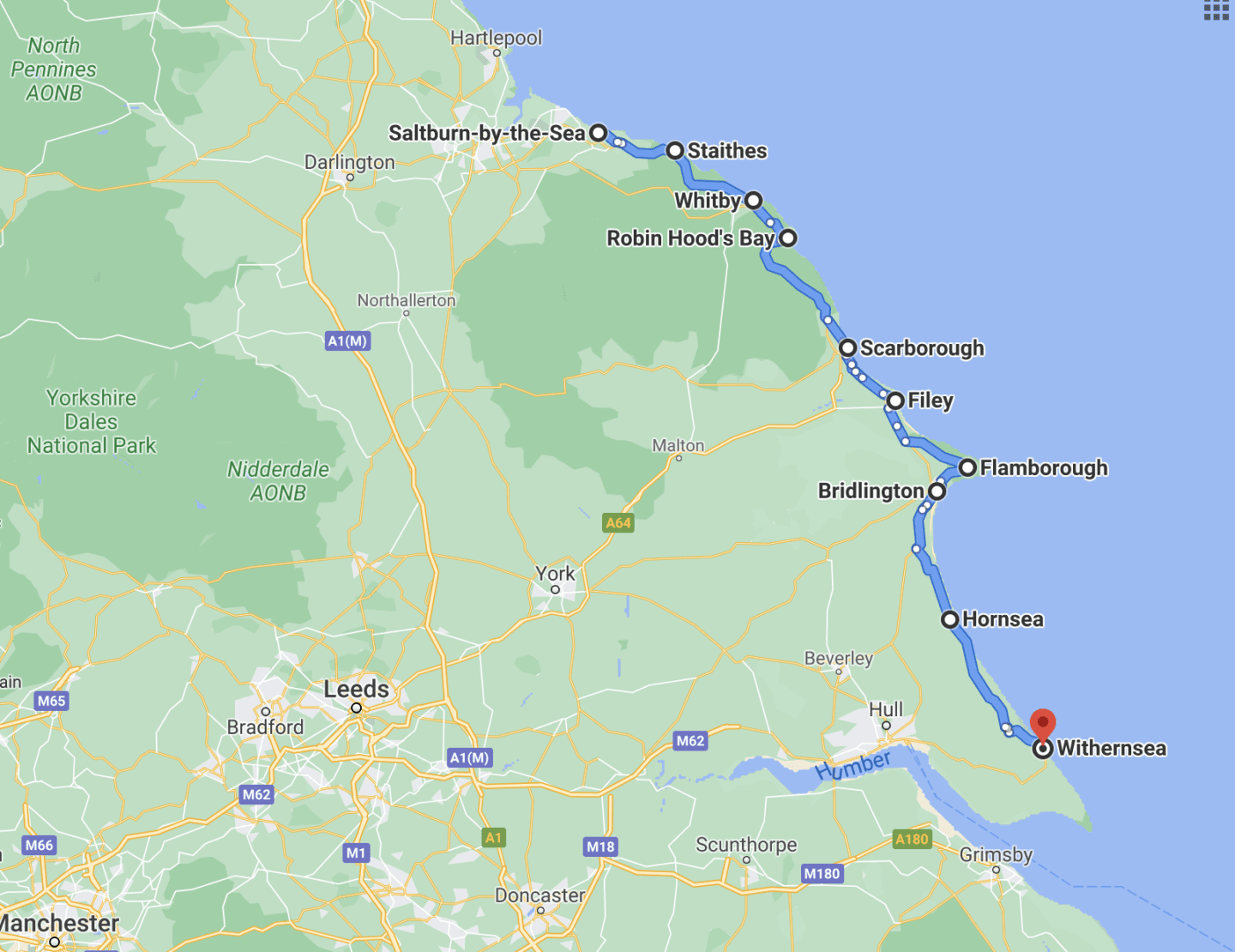
Not all coastal stops are created equal. Some locations whisper stories of history and erosion; others shout with panoramic grandeur. Mapping out potential spots requires more than GPS coordinates; it demands a reconnaissance of terrain, accessibility, and vantage points. Seek out hidden coves, precariously perched viewpoints, or weather-beaten piers—these elements add layers of narrative and perspective to your shots. Research local topography and tide schedules, as low tide often reveals fascinating intertidal zones lush with photographic potential.

Harnessing Motion: The Art of Capturing Dynamics on the Road
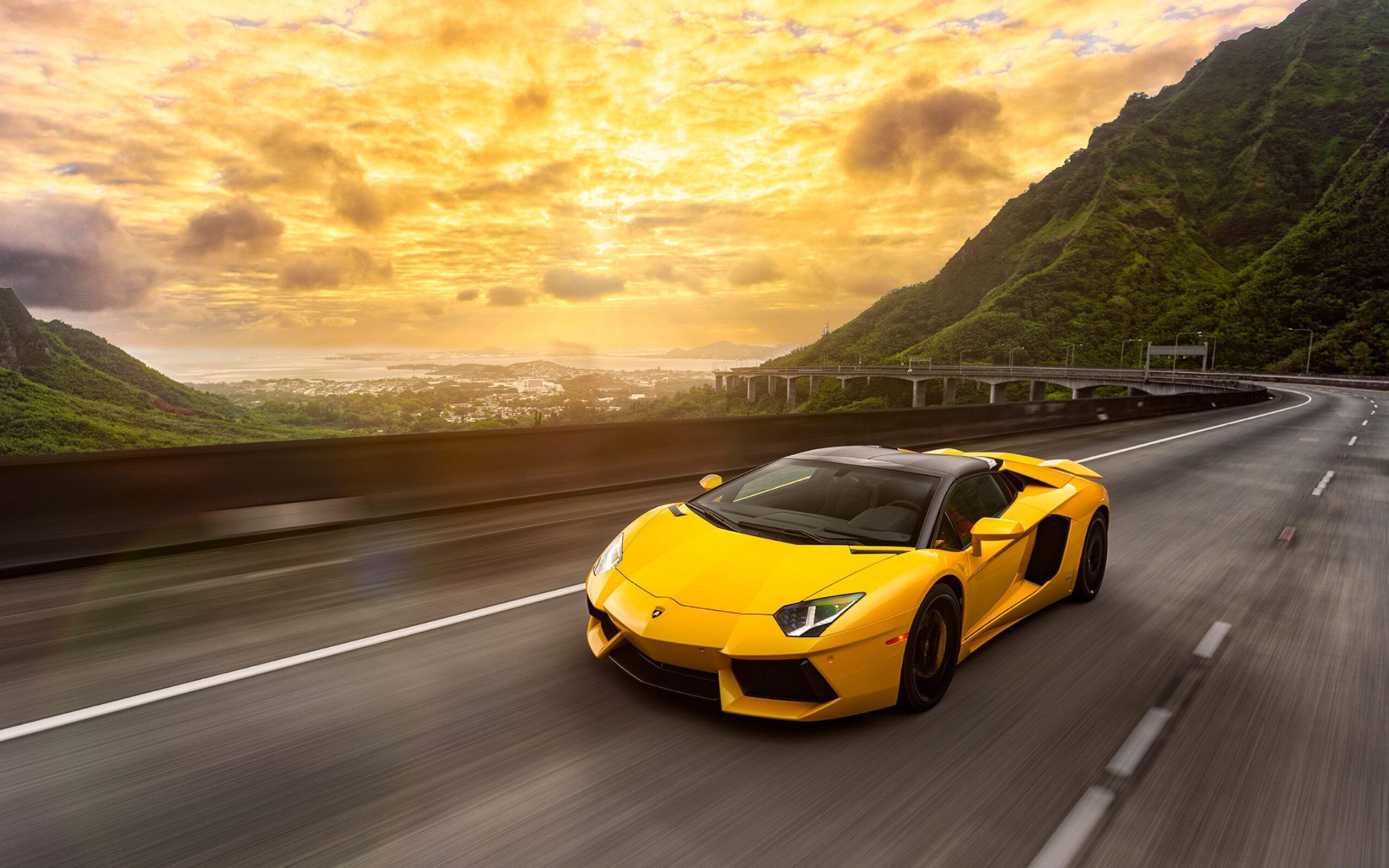
Coastal driving routes are defined by motion—the rhythmic roll of the ocean, the swooping bends of the road, and the inevitable transit of vehicles and wildlife. Photographs that embody this kinetic energy draw viewers into the experience more than static panoramas ever could. Experiment with panning shots to trace speeding cars against blurred backdrops or long exposures to render seawater as sublime silk. The dance between shutter speed and aperture here becomes a dialogue rather than a set of instructions.
Foreground Interest: Anchoring Your Composition
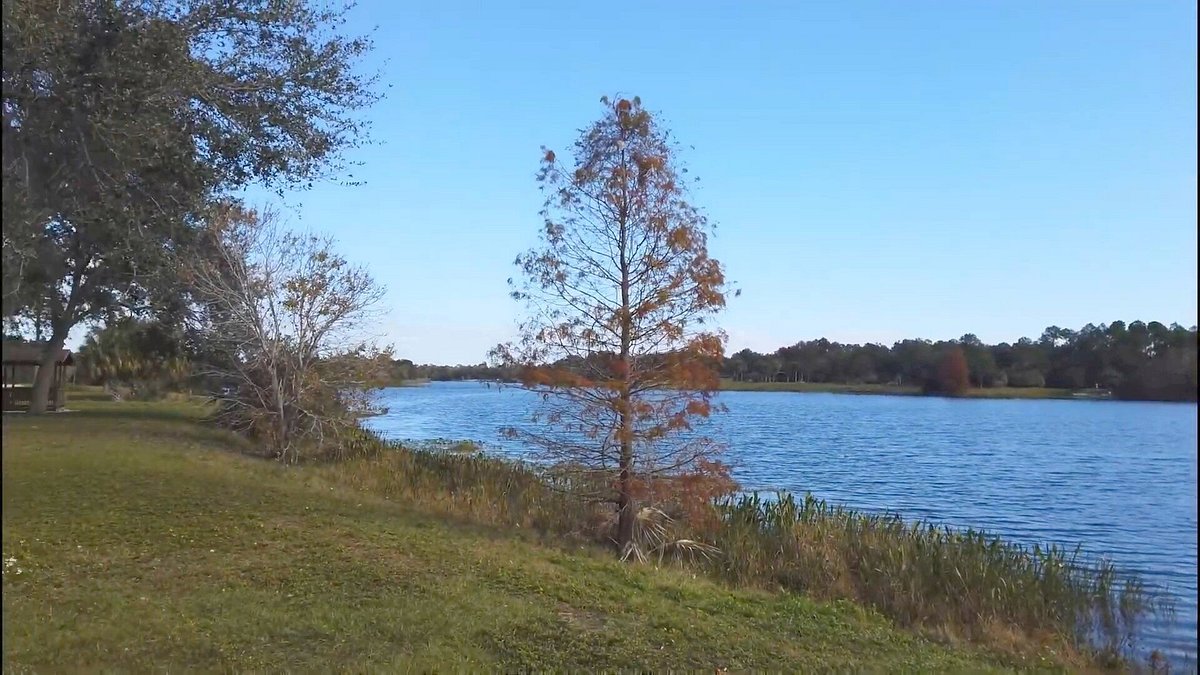
One common pitfall in coastal photography is neglecting the foreground, resulting in flat images devoid of depth. Introducing compelling foreground elements—driftwood, wildflowers, textured rocks—creates dimensionality, guiding the eye through the scene. These anchors offer tactile contrast to the vastness of ocean and sky, making your composition not just a vista but an immersive frame. Scour the roadside for items that whisper the tale of this particular coastal environment.

Mastering Weather: Turning Atmospheric Challenges Into Visual Poetry
Coastal weather is as mercurial as the tides—shifting swiftly from serene sunshine to brooding fog or tempestuous storms. Instead of lamenting unpredictable conditions, photographers should embrace them. Mist can veil scenes in mystery; storm clouds inject drama and contrast; even rain-dappled lenses yield impressionistic distortions. Capturing these atmospheric moods reveals the ocean’s mercurial temperament and its impact on the land, enriching your photographic narrative.
Reflections and Silhouettes: Utilizing Natural Mirrors and Backlighting
When calm waters grasp the sky like a polished mirror, opportunities to shoot reflections abound. Seek out tidal pools, wet sand expanses, or sheltered harbors to compose symmetrical images that flirt with abstraction. Conversely, the low-angle sun during golden hour is perfect for backlighting subjects—trees, people, or roadside markers—creating striking silhouettes that distill scenes to elemental shapes and moods. Both techniques heighten the pictorial drama of your coastal route.

Human Element: Integrating Roadside Characters and Activity
The allure of coastal driving routes transcends scenery; it is also about transient human moments—fishermen casting lines, cyclists battling climbs, families exploring tide pools. Incorporating these figures introduces scale and narrative, bridging viewers into the lived reality of the place. Approach subjects with respect and patience, allowing candid moments to unfold naturally. The interplay between human presence and wild nature is a profound theme begging visual exploration.
Technical Settings: Fine-Tuning for Coastal Conditions
The interplay between water, sun, and wind imposes unique demands on exposure and focus. Polarizing filters are invaluable, cutting glare off wet surfaces and intensifying blues and greens. Employ aperture settings that preserve sharpness across your frame—usually mid-range f-stops—and consider bracketing exposures to balance intense contrasts. Manual focus may also be preferable when autofocus struggles with reflective surfaces or low-light scenarios. Each technical tweak is a brushstroke toward precision and mood.
Timing Your Stopovers: Strategic Pauses Along the Journey
Driving a coastal route is a temptation to chase every vista impulsively, but the best results come from deliberate, unhurried stops. Allocate time to scout each location from multiple angles and elevations if possible. Sometimes the perfect shot lurks just beyond the obvious pullout. Use these pauses to absorb the ambiance—the salt scent, the wind’s cadence—the intangibles that inform your compositional choices. Patience rewards photographers with images that breathe authenticity and emotion.

Post-Processing: Enhancing Without Betraying Reality
When the camera clicks cease, the coastal narrative continues in digital darkrooms. Post-processing should enhance subtleties already present—accentuating hues, balancing contrasts, sharpening textures—without distorting the fragile authenticity of the scene. Resist the siren song of oversaturation and excessive manipulation; let the coastal light and mood remain the protagonists. Thoughtful editing transforms a good photograph into an unforgettable visual story, preserving the evocative essence of that golden hour drive.
The act of photographing coastal driving routes is an ongoing dialogue between transient natural beauty, technological skill, and personal vision. The golden hour is merely the stage where this interplay unfolds, illuminating the poetry inherent in those liminal spaces where land, sea, and sky converge. Embrace the challenge with intent and curiosity, and the images you create will echo far beyond the fleeting moments of light and shadow.