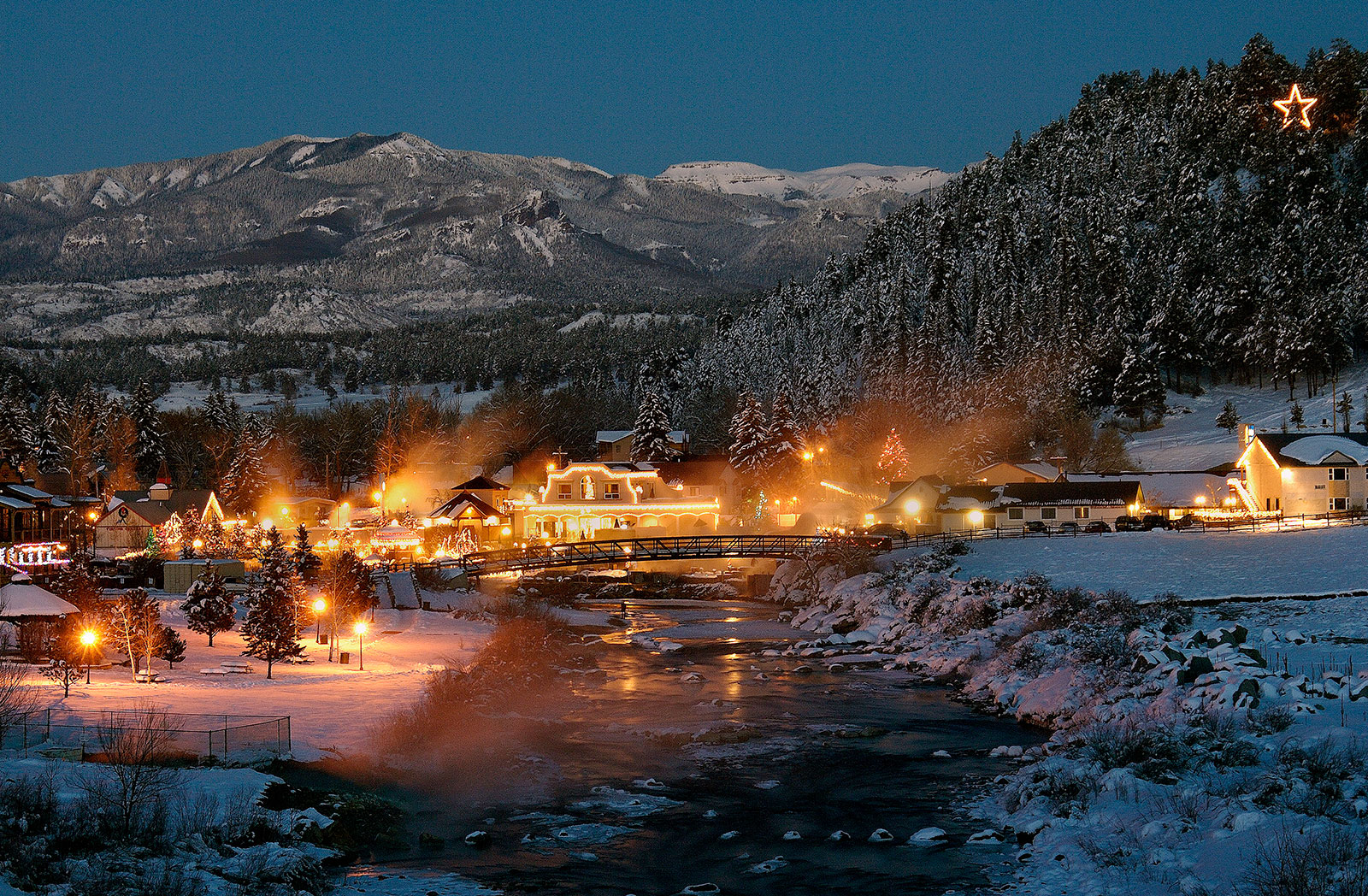
Imagine life as a vast, intricate tapestry woven with countless threads of experience—each journey, a vibrant stitch adding depth and texture. Yet, in the whirlwind of frenetic travel, these threads often blur into a hasty pattern, a surface-level glimpse rather than a profound design. Slow travel invites us to untangle this tapestry deliberately, embracing a philosophy that intertwines mindfulness with purpose. It beckons travelers not merely to move across landscapes but to inhabit them, transforming transient visits into immersive stories etched deeply upon the soul.
The Essence of Slow Travel: More Than a Movement
Slow travel is akin to savoring a fine wine rather than gulping down a drink in haste. It embodies a deliberate deceleration, a conscious effort to dismantle the frenetic pace that typifies much of modern tourism. This approach encourages travelers to linger, to observe, and to connect authentically with the environment and culture. Contrary to the rapid-fire itinerary festooned with “must-see” lists, slow travel favors quality over quantity, depth over breadth.
Metaphorically, slow travel acts as a gentle river carving through rock—not by force, but by persistence and patience. It takes its time, allowing the environment to reveal its secrets gradually. This patience yields a nuanced understanding, fostering a deeper relationship to the place beyond the tourist veneer. Moreover, slow travel calls for a surrender to the unknown rhythms of a locale, inviting moments of serendipity and personal discovery.
Mindfulness: The Heartbeat of Slow Travel
At the core of slow travel is the practice of mindfulness—the art of being fully present and aware in each moment. When travelers embrace this mindset, they awaken to subtleties often overlooked in hurried excursions: the delicate aroma of spices wafting from a street market, the cadence of a local dialect, or the play of sunlight through ancient trees. Mindfulness transforms travel into a sensory symphony rather than a checklist to be conquered.
Engaging with a place mindfully demands a slowing down of both the body and mind. It is a conscious turning inward even as one turns outward to the world. This holistic awareness enriches travel by dissolving the boundary between observer and environment, engendering a profound connectivity.

Purposeful Travel: From Consumption to Contribution
Integral to slow travel is the notion of purpose. Purpose transforms travel from an act of consumption to one of meaningful contribution and comprehension. It aligns the traveler’s intentions with a respectful engagement of place and people. Purposeful travelers seek to understand the narratives, histories, and struggles embedded in a destination, going beyond superficial impressions.
Traveling with purpose often entails exploring local traditions, supporting indigenous arts, and participating in community initiatives—actions that honor the authenticity of the locale while fostering sustainable connections. This reciprocity breathes life into travel experiences, allowing them to resonate long after the journey concludes.
The Unique Appeal of Slow Travel: An Invitation to Authenticity
Slow travel’s charm lies in its ability to uncloak the authentic essence of destinations masked by crowds and commercialization. It is a deliberate disentangling from homogenized tourism to savor the idiosyncrasies that make each locale singular. This mode of travel unearths hidden alleyways, forgotten folklore, and quiet moments that invite introspection.
Therein lies its unique appeal. Slow travel refuses to be measured by the number of sites visited or selfies captured, choosing instead to be defined by emotional resonance and enriched understanding. It is a pilgrimage for the soul, a quest to find one’s place in the grand mosaic of human cultures and natural wonders. The traveler becomes a storyteller, gathering nuanced tales, memories, and sensations that transcend the ordinary.

Embodiment of Time: Slowing Down in a World That Rushes
Time, in the realm of slow travel, is elastic. It stretches and folds to accommodate unhurried exploration and reflection. Instead of succumbing to a relentless schedule, travelers learn to inhabit moments fully—watching a sunset evolve, savoring a homemade meal, or engaging in a leisurely conversation with a local elder.
This mindful stretching of time accords a reparative balm to the hurried psyche. It enables the traveler to re-anchor in the present and cultivate empathy. Far from wasted, this slow unfolding of time becomes a vital resource for personal growth and enriched experience.
Environmental and Cultural Sustainability: Slow Travel’s Ripple Effect
Slow travel also resonates deeply with principles of sustainability. By choosing to stay longer, travelers reduce the ecological footprint associated with constant transit and mass tourism. This reduced freneticism lessens strain on fragile ecosystems and encourages more purposeful consumption of resources.
Culturally, slow travel fosters respect and preservation. It encourages meaningful exchanges that counteract the erosion of local traditions under globalizing pressures. Such encounters nurture cross-cultural understanding and protect intangible heritages from commodification.
Practical Approaches to Embracing Slow Travel
Embracing slow travel demands thoughtful planning and a mindset shift. Instead of fleeting city hops, consider dedicating several days or weeks to a single region, allowing its rhythms to unfold naturally. Engaging with local communities—perhaps through homestays, workshops, or volunteer opportunities—cements genuine connections.
Limit reliance on high-speed transport; opt for trains, bicycles, or even walking to savor scenic journeys. Frequent local markets and eateries rather than tourist-centric venues to immerse in authentic flavors and narratives. Prioritize unstructured time for spontaneous discovery, reflective journaling, or quiet observation.
Conclusion: Slow Travel as a Pathway to Enriched Existence
The philosophy of slow travel extends beyond mere tourism; it is an invitation to reframe the very nature of movement and experience. It reconnects us with the elemental rhythms of place and self, weaving together mindfulness and purpose into a tapestry of rich, meaningful encounters.
By slowing down, travelers not only deepen their understanding of the world but forge lasting transformations within themselves. Slow travel becomes a meditation on presence, a dance with time, and a conduit to authenticity. In this deliberate pace lies the potential to rediscover the joy of journeying—not just to destinations, but into the heart of existence itself.