In an increasingly interconnected world, the dynamic rhythm of coworking spaces resonates deeply with extroverted professionals seeking both productivity and vibrant social engagement. These modern work environments pulse not merely with the hum of creative endeavors, but also with the electric charge of spontaneous conversations, curated networking events, and convivial bar areas. It is no coincidence that extroverts gravitate toward coworking spaces that fuse professional focus with ample opportunities for interpersonal interaction. This affinity transcends mere social preference; it encapsulates a profound human desire for connection, exchange, and communal growth. The allure of coworking spaces for extroverts lies in how they weave together work and social fabric into a seamless tapestry of energy and opportunity.
The Social Architecture of Coworking Spaces
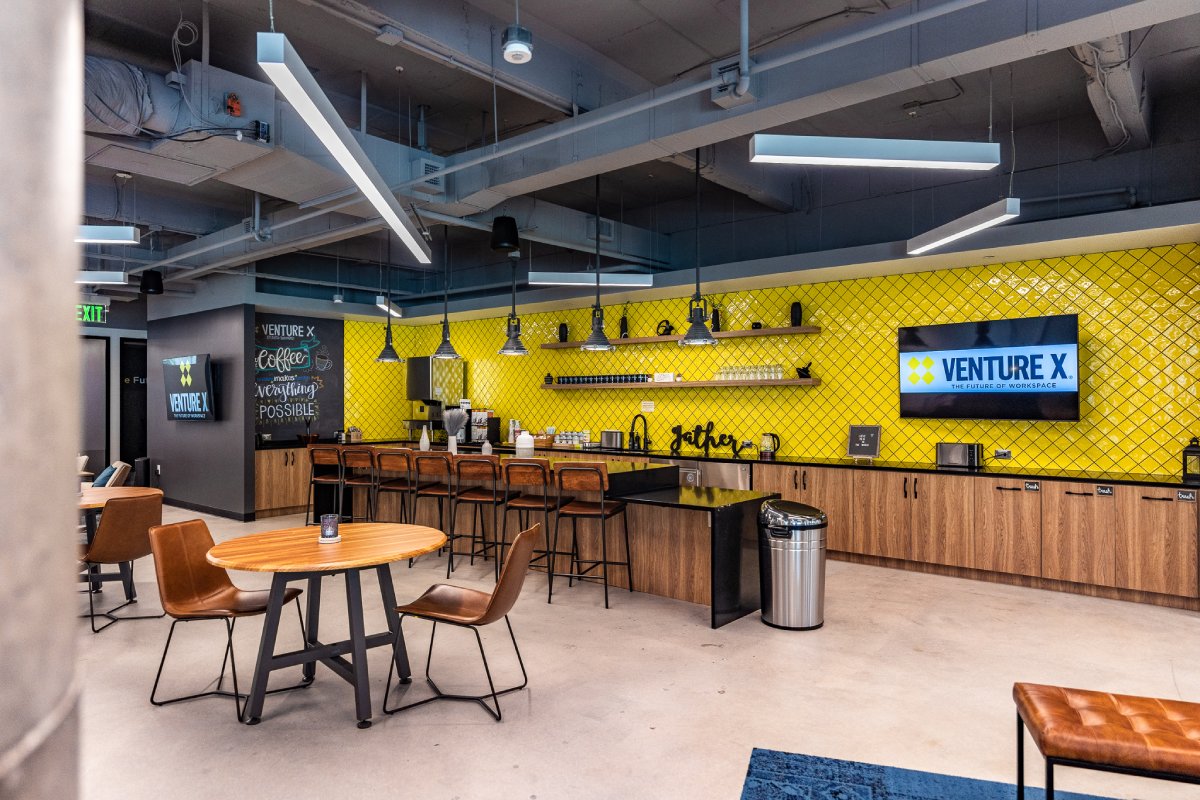
At the heart of this phenomenon is the intentional design of coworking spaces that fosters interaction. These environments are architected not just to house desks and Wi-Fi, but to nurture human connections. Open floor plans, cozy lounges, and integrated bar areas act as social catalysts, compelling extroverts to gravitate toward shared hubs of activity. The physical layout often encourages serendipitous meetings — the so-called “water cooler moments” — allowing ideas and collaborations to ferment organically. Beyond spatial arrangement, programming such as regular networking events and community mixers further galvanizes participation, making these spaces fertile ground for relationship-building and business cross-pollination.
Networking Events: The Nexus for Extroverted Energy
Networking events form the lifeblood of extroverted coworking culture. These gatherings transcend traditional meet-and-greet formats, often taking the shape of themed evenings, workshops, panel discussions, or pitch nights that facilitate both professional growth and social engagement. For extroverts, such curated occasions provide a structured yet dynamic arena to forge connections, exchange insights, and expand their sphere of influence. Unlike solitary online networking, in-person events catalyze nuanced communication, allowing body language and spontaneity to accentuate bonds. This pulsating social calendar ensures that engagement is sustained and that members remain entwined in a living network rather than isolated entities.
Bar Areas: The Informal Crucibles of Collaboration
Integral to many coworking environments is a thoughtfully designed bar area, a seemingly casual space that often becomes the nucleus of collaboration and camaraderie. These areas are strategically placed to invite downtime and social fluidity, blending relaxation with creative synergy. Extroverts are particularly drawn to these milieus, as they offer an approachable setting for unwinding while simultaneously networking. Here, conversations flow unrestrained by agenda; laughter punctuates brainstorming sessions; and new alliances are kindled over drinks. The bar serves as a social equalizer, blurring hierarchical boundaries and fostering a sense of communal belonging that enriches the broader coworking experience.
Curated Community Programs that Ignite Connections
Successful coworking spaces recognize that extroverted engagement requires more than just physical spaces—it thrives on intentional community cultivation. Through meticulously curated programs—ranging from speed-networking sessions to expert-led social hours—these hubs offer authentic opportunities to build meaningful relationships. The allure for extroverts lies in the blend of predictability and novelty; they know they can rely on these events for consistent social interaction, yet each gathering brings new faces and fresh perspectives. This cyclical engagement nurtures not only immediate connections but the gradual weaving of an interconnected ecosystem, empowering members to leverage collective intelligence and resources.
Vibrancy as a Branding Strategy
The energetic ambiance of coworking spaces targeting extroverts transcends mere atmosphere—it becomes an intrinsic part of their identity and appeal. These spaces often brand themselves around vibrancy, inclusivity, and dynamic exchange, drawing in individuals who crave an environment pulsating with vitality. Music playlists, art installations, communal kitchens, and themed gatherings contribute layers of sensory stimuli, creating an immersive experience that goes beyond functional workspace. The perception of vibrancy functions as an invisible magnet, cultivating a rich, diverse community where extroverts feel energized rather than drained, thereby reinforcing loyalty and long-term engagement.
Diversity of Professional Backgrounds: A Catalyst for Networking
Extroverts thrive in coworking spaces that boast a heterogeneous mix of professions, industries, and creative disciplines. This diversity invigorates networking events and casual interactions alike, broadening horizons and sparking interdisciplinary collaboration. The varied tapestry of members means conversations are rarely monotonous; instead, they challenge perspectives and ignite inspiration. For extroverts, the opportunity to pivot effortlessly from tech entrepreneurs to artists to marketers generates a dynamic social ecosystem rich with opportunity. This mosaic of talents harnesses the power of collective synergy, enhancing the coworking experience far beyond isolated silos.
Technology-Enhanced Social Interaction
While extroverts flourish in face-to-face settings, modern coworking spaces leverage technology to augment and streamline social connections. Dedicated apps, digital notice boards, and event calendars facilitate real-time updates and member interaction, making it effortless to discover and RSVP to events or strike up conversations virtually before meeting in person. This technological infrastructure enhances accessibility, helping busy professionals stay plugged into the social veins of their community. Moreover, hybrid networking events with virtual participation options expand the reach of social engagement, ensuring extroverts can capitalize on every possible interaction channel, blending digital ease with human warmth.
Balancing Energy and Focus: The Extrovert’s Workspace Paradox
While coworking spaces offer ample stimulation for extroverts, there remains an underlying challenge: balancing social energy with focused productivity. The very buzz that extroverts crave can, if unmanaged, fragment concentration. Leading coworking spaces address this paradox by zoning environments—creating quiet zones and private workpods juxtaposed with vibrant social hubs. This intentional fluidity empowers extroverted members to modulate their workday rhythm, moving seamlessly between immersion in solitary tasks and the energizing embrace of communal interaction. Such thoughtful design acknowledges the nuanced needs of extrovert professionals whose creativity and motivation often stem from social dynamism but who also require moments of introspective solitude.