Ever found yourself juggling a laptop and a cup of coffee in a bustling hostel lobby or a lively coworking space, only to wonder, “Is my precious device truly safe here?” In environments buzzing with transient energy and shared spaces, the challenge of protecting your laptop from theft or accidental damage becomes a real conundrum. How can you physically secure your laptop without sacrificing accessibility or convenience? Delving into practical solutions, from innovative locks to stealthy safes, let’s explore effective ways to guard your digital lifeline wherever your work or travels take you.
1. Harnessing the Power of Laptop Locks: More Than Just Cables
At the forefront of laptop security lie the ubiquitous laptop locks. Often underestimated, these security devices offer a first line of defense by physically tethering your laptop to an immovable object. Modern locks, such as the Kensington lock, integrate seamlessly into your laptop’s chassis through dedicated lock slots. But it’s not just about looping a cable—some advanced locks incorporate tamper-resistant mechanisms or combination dials, elevating their protective prowess. When selecting a lock, consider materials with reinforced steel cables to resist cutting, and choose variants with anti-theft alarms for an added deterrent effect. In busy communal environments, even just the visible presence of a robust lock can dissuade opportunistic theft.
2. Concealed Laptop Safes: Portable Fortresses for Your Tech
Imagine slipping your laptop into a compact safe smaller than a briefcase yet sturdier than a typical backpack compartment. Portable laptop safes have evolved into discreet yet formidable guardians of your devices. Crafted from hardened steel or reinforced composites, these safes often feature tamper-proof zippers, combination locks, and even RFID-blocking compartments. Their portability ensures that, whether at a hostel or a coworking lounge, you have a secure sanctuary for your laptop. When in shared environments, placing your laptop inside such a safe and securing the safe to an immovable fixture offers a dual layer of protection—physical and psychological deterrence against theft.
3. Optimizing Workspace Choice: Location as a Layer of Defense
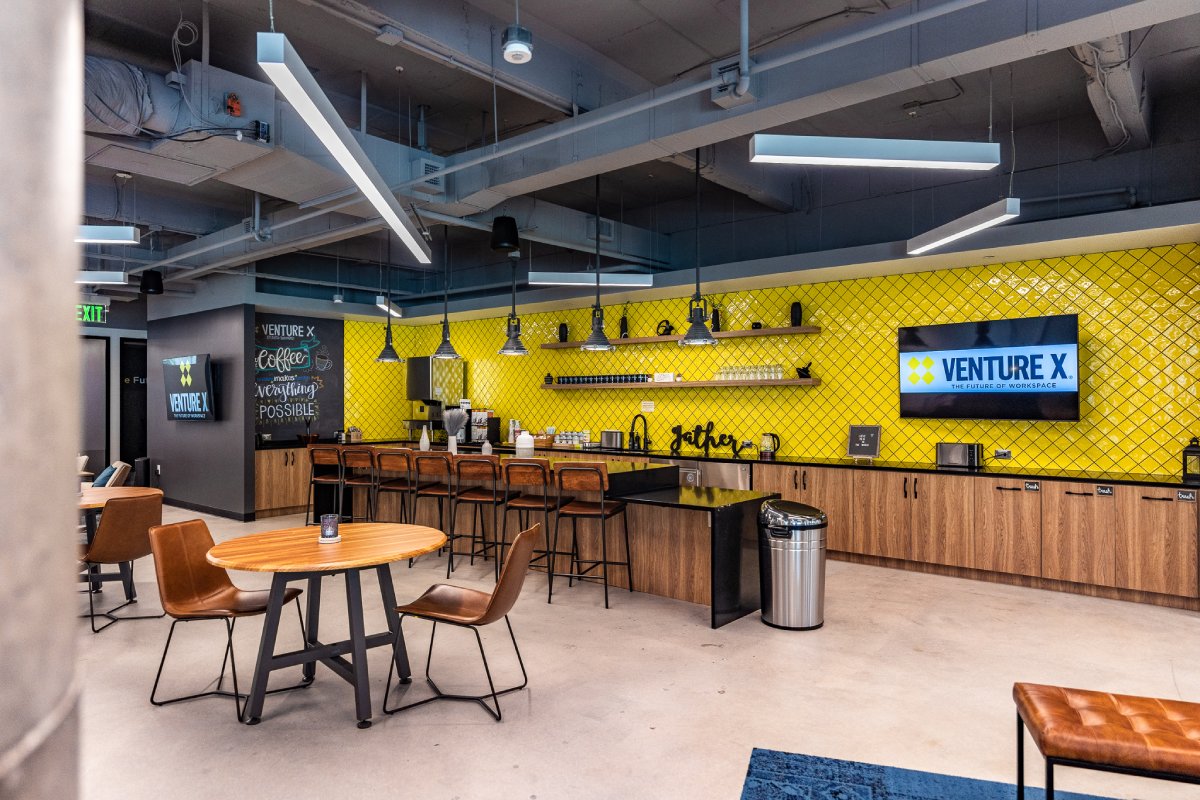
Sometimes, your best security tool isn’t a device but a decision. Choosing the right spot within a hostel or coworking space can drastically reduce risks. Position yourself near walls, in corner nooks, or in view of security cameras. Opt for high-traffic yet visible areas where staff and other occupants frequently pass by, minimizing the opportunity for a thief to act unnoticed. This spatial awareness adds a subtle yet effective layer of physical security. Combining this mindful seating with other protective measures creates a multifaceted fortress around your laptop.
4. Securing with Cable Anchors and Desk Clamps
Standard laptop locks tether devices to objects—but what if those objects are easily movable chairs or lightweight tables? Here, cable anchors and desk clamps come into play. These hardware accessories can be affixed to sturdy surfaces, such as heavy tables or built-in fixtures, providing robust anchor points. When integrated with security cables, they create an immovable trap for your laptop. Some smart desk clamps are designed to be almost invisible, preserving aesthetics without compromising protection. This tactic is particularly effective in coworking spaces employing modular furniture, where mobility might otherwise undermine security.
5. Utilizing Lockable Laptop Cases and Backpacks
Mobility should not equate to vulnerability. Lockable laptop cases and backpacks offer an elegant solution by enveloping your device in secure compartments. Equipped with reinforced zippers, lock rings, or integrated cable loops, these carriers make unauthorized access exceptionally difficult. Many come padded with impact-resistant materials, safeguarding your laptop from bumps while on the move. When you need to step away but can’t carry the laptop, leaving it secured within a lockable backpack tied to a stationary object adds a layered defense that few consider.
6. Incorporating Alarmed Locks and Smart Security Devices
Technology enhances traditional physical security measures. Alarmed locks serve a dual role—physically restraining your laptop and emitting loud alerts upon tampering. These devices utilize vibration sensors or motion detection to notify you instantly of suspicious activity. Additionally, smart security gadgets connected to your smartphone can send real-time notifications or even trigger automated responses. In environments ripe with distractions, such intelligent systems act as vigilant sentinels, augmenting your peace of mind. For nomads and freelancers working in dynamic spaces, these smart security solutions bring a futuristic flair to laptop protection.
7. Developing Vigilant Habits: The Unsung Pillar of Physical Security
No lock or safe is impenetrable without a user’s vigilance. Cultivating disciplined habits—such as never leaving your laptop unattended, quickly securing it before stepping away, and routinely inspecting your security equipment—forms the bedrock of effective protection. Simple routines like noting the serial number, keeping backups, and setting strong passwords complement physical safeguards. Awareness of your surroundings, respectful yet confident space claiming, and proactive conversations with hostel or coworking staff about security protocols can further fortify your defenses. In essence, the best physical security is empowered by a security-conscious mindset.