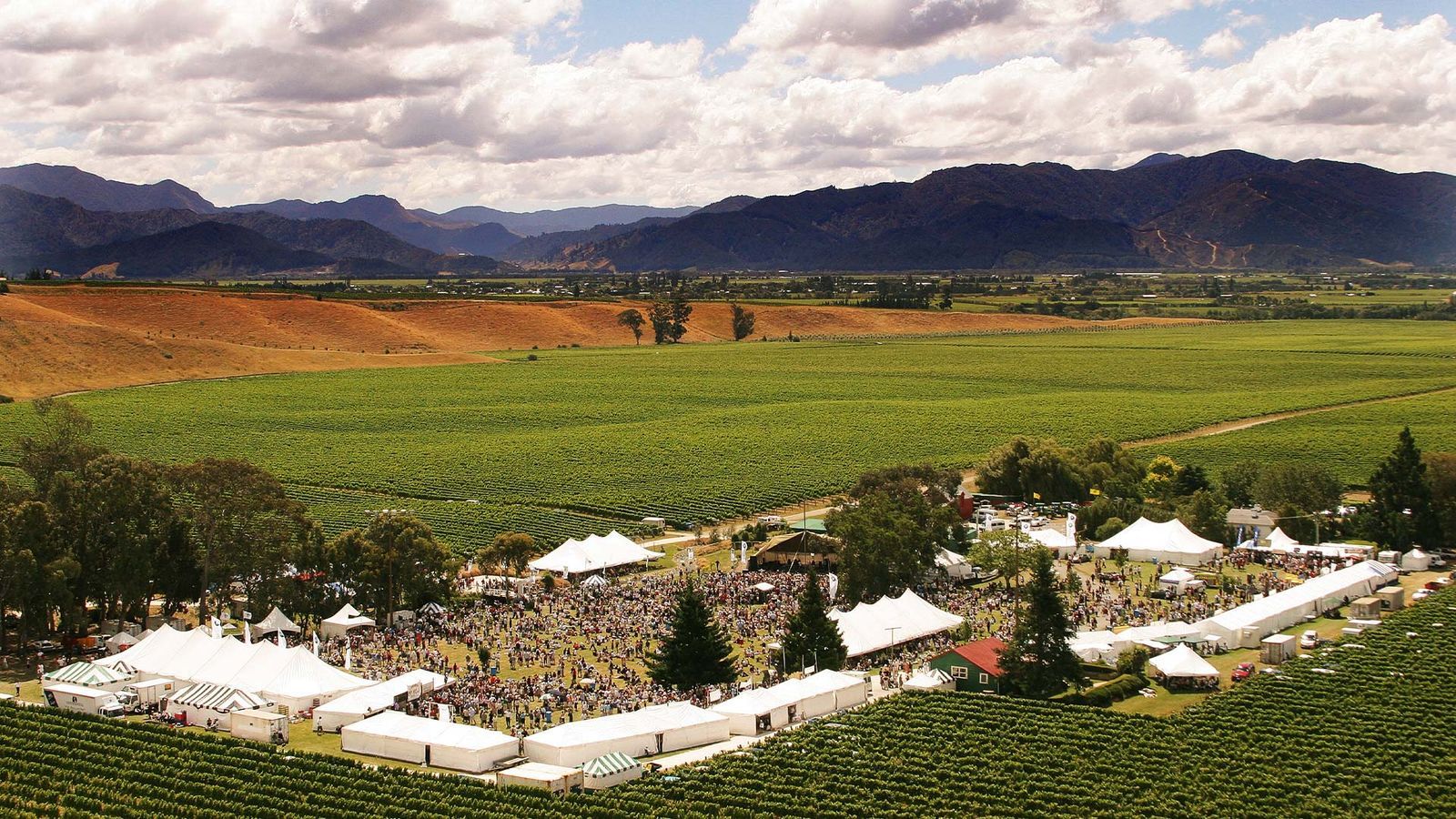
Food-themed vacations have surged in popularity, drawing travelers not only to destinations but to dynamic experiences where taste, culture, and celebration converge. The allure of event-based culinary journeys taps into a universal fascination: the desire to engage all senses, to understand food beyond the plate, and to witness the rituals and mastery behind beloved flavors. This immersive approach unlocks a deeper appreciation of regional identity and communal passion, inviting both the curious and the connoisseur to partake in festivities that elevate gastronomy to an art form. Here are five distinctive event-based vacation ideas tailor-made for foodies eager to savor and celebrate the world’s most captivating culinary gatherings.
1. Wine Harvest Festivals: Savoring Tradition and Terroir
Wine harvest festivals epitomize the cyclical nature of viticulture and its intimate bond with the land. These celebrations are more than mere consumption events; they are vibrant communal rites that herald the culmination of months of labor in vineyard and cellar. Participating in a wine harvest festival offers travelers a backstage pass to the delicate alchemy of grape-to-glass transformation—from grape stomping rituals to tastings of recently pressed varieties.
Beyond indulgence, these festivals pose a fascinating solace for the senses, intertwining rustic charm with refined palates. Guests often experience guided tours through sprawling vineyards, insights into cultivation techniques, and the palpable excitement of vintners as they sample their nascent creations. The ambiance, frequently enriched by live music and traditional dances, echoes the symbiotic relationship between terroir and technique. It’s an immersive pedagogic journey where each sip narrates the story of soil, climate, and craftsmanship.
2. Truffle Festivals: Unearthing Culinary Mystique
Truffle festivals represent one of the gastronomic world’s most elusive and coveted celebrations. These events revolve around the exquisite subterranean fungi that have captivated chefs and epicures for centuries. Attending a truffle festival transcends the routine foodie excursion, delving instead into a fascinating ecosystem where nature, tradition, and gourmet innovation intersect.
Travelers witness the symbiotic dance between trained canines or pigs and foragers as they scour forest floors to uncover these hidden treasures. Workshops often accompany the festivities, educating visitors on how to identify, preserve, and incorporate truffles into sophisticated menus. The sensory experience is heightened by tasting sessions that juxtapose raw and cooked truffle preparations, challenging perceptions and expanding culinary horizons. These festivals create a palpable sense of discovery, honoring the fleeting nature of truffles and the skill required to harvest them, making it an event steeped in reverence and rare indulgence.
3. Classic Food and Wine Festivals: A Panoramic Culinary Showcase
Classic food and wine festivals offer a more expansive culinary tapestry, weaving artisanal products and vintages from diverse regions into a grand celebration. These festivals function as epicenters of epicurean culture, attracting chefs, enthusiasts, and purveyors who converge to revel in haute cuisine and traditional fare alike.
Such festivals often span multiple days, featuring exclusive chef demonstrations, sommelier-led tastings, and a plethora of gastronomic competitions. They elicit a sense of communal reverence for quality ingredients and creative craftsmanship. Visitors not only taste but often engage in behind-the-scenes dialogues about food sourcing, sustainability, and innovation—topics increasingly intertwined with the contemporary food narrative. Ambiance is paramount; surroundings frequently include lush estates or historic venues, complementing the sensory spectacle with aesthetic grandeur.
4. Barbecue Championships: A Celebration of Smoke and Spice
Barbecue championships elevate grilling to the status of competitive artistry, drawing fiery passion and age-old techniques into the spotlight. These events distill regional identities, often showcasing pork, beef, or chicken as blank canvases for smoky, spicy, and savory mastery. For travelers, these championships offer more than hearty fare—they offer a glimpse into the cultural tapestries and communal rivalries that fuel barbecue traditions.
The atmosphere is electric, charged with anticipation and camaraderie as pitmasters labor over coals for hours, blending time-honored rubs and secret sauces. Spectators are invited into an interactive sensory journey involving taste, aroma, and the visual spectacle of smoking pits and flaming grills. Workshops and judging ceremonies provide deeper insight into techniques, equipment, and flavor profiles, allowing visitors to appreciate barbecue not simply as food but as a performative ritual steeped in heritage and competition.
5. Regional Food Festivals: Deep Dives into Local Flavors
Regional food festivals offer a concentrated exploration of a locale’s culinary identity, often entwined with historical and cultural narratives. These events celebrate the unique ingredients, recipes, and foodways that define a community, inviting visitors to experience food in its contextual richness. Whether it is a coastal clam festival or a mountain cheese fair, these gatherings emphasize locality and authenticity over broad appeal.
Engagement is immersive, with cooking demonstrations by local chefs, artisan markets showcasing produce and crafts, and storytelling sessions illuminating food origins and traditions. Such festivals often spotlight endangered or rare ingredients, weaving conservation and culinary heritage into the event fabric. For the discerning traveler, this presents an unparalleled opportunity to connect intimately with a region through its flavors, rituals, and the people who keep its gastronomic legacy alive.
Event-based vacations unite travelers with the soul of a destination through the universal language of food. These festivals and competitions forge lasting memories by creating sensory narratives that celebrate labor, locality, and community. The fascination lies not only in tasting exceptional fare but in witnessing the profound stories and cultural expressions that animate each bite and sip.