Choosing a destination marathon transcends the mere act of running 26.2 miles. It appeals to an intrinsic fascination shared by countless runners: the quest to merge athletic endeavor with cultural exploration and natural beauty. The desire to experience unfamiliar terrain, climates, and atmospheres transforms these races into memorable adventures. This captivating blend of challenge and discovery prompts runners to weigh their options carefully. Selecting the perfect destination marathon involves an intricate balance of scenery, weather conditions, and level of difficulty—all elements that dramatically shape the experience and outcome of the race.
Embracing the Enchanting Scenery
Scenic allure is often the initial magnet for runners searching for a destination marathon. Racecourses meandering through breathtaking landscapes provide much more than a backdrop—they offer a mental reprieve from physical strain. The natural environment can be profoundly uplifting, especially along routes framed by majestic mountains, picturesque coastlines, or historic cityscapes. For many, scenery functions as a psychological sanctuary, imbuing the run with a sense of awe and wonder that fuels persistence.
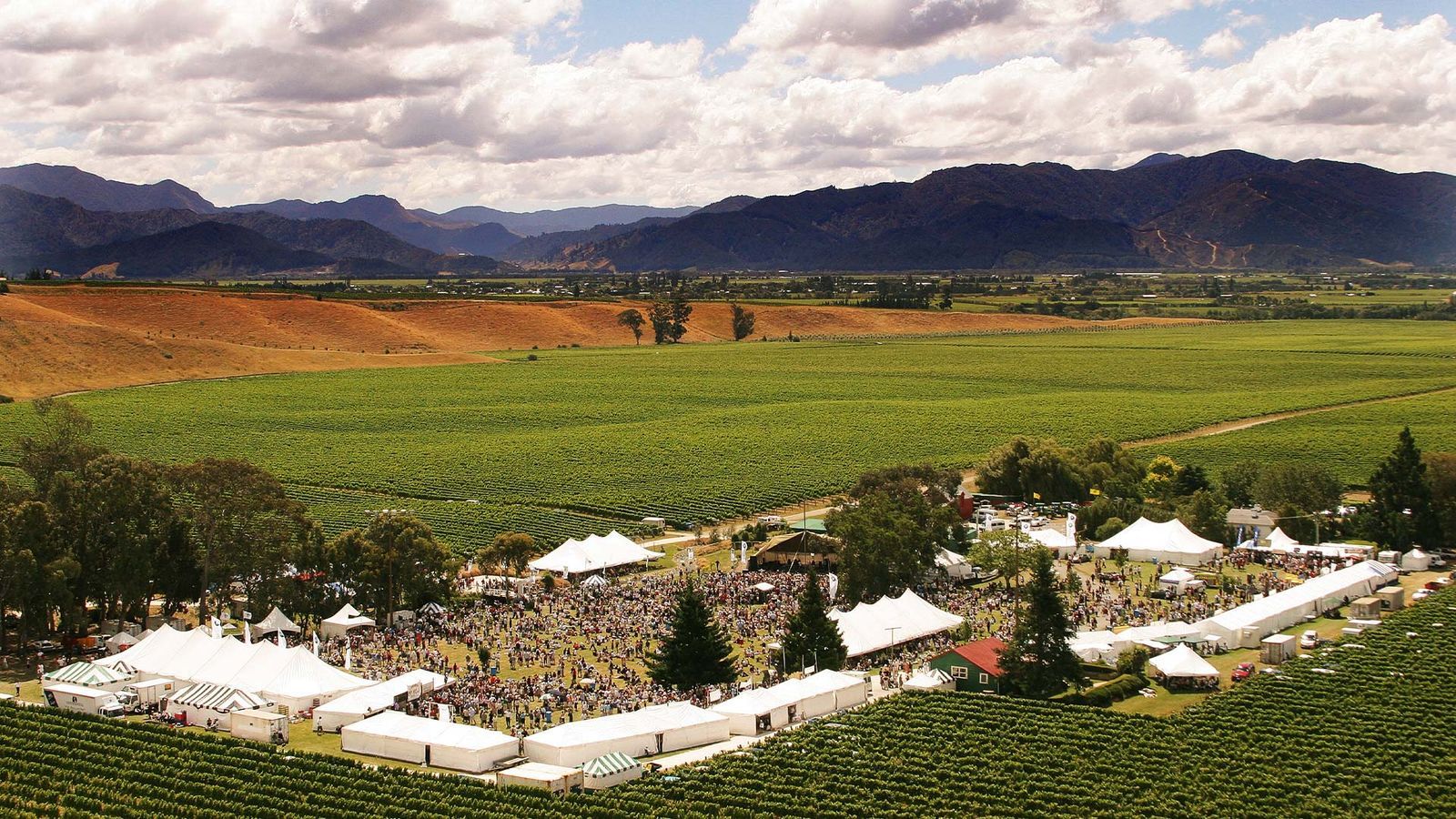
When considering scenery, it’s crucial to ponder how the terrain and visual stimuli will impact motivation and pace. Hilly routes surrounded by dense forests or sprawling vineyards challenge the body but reward the spirit. Urban marathons weave through culturally rich neighborhoods and iconic landmarks, immersing runners in the local ethos. Thus, the visual components are not just aesthetic—they weave an emotional narrative that embeds the race into one’s memory.
Understanding the Weather and Its Implications
Weather is a silent yet potent factor that can make or break a marathon experience. Temperature extremes, humidity levels, wind conditions, and even altitude inform the physiological demand on a runner’s body. Many destination marathons are held in climates markedly different from the runner’s home environment, requiring meticulous acclimatization and preparation.
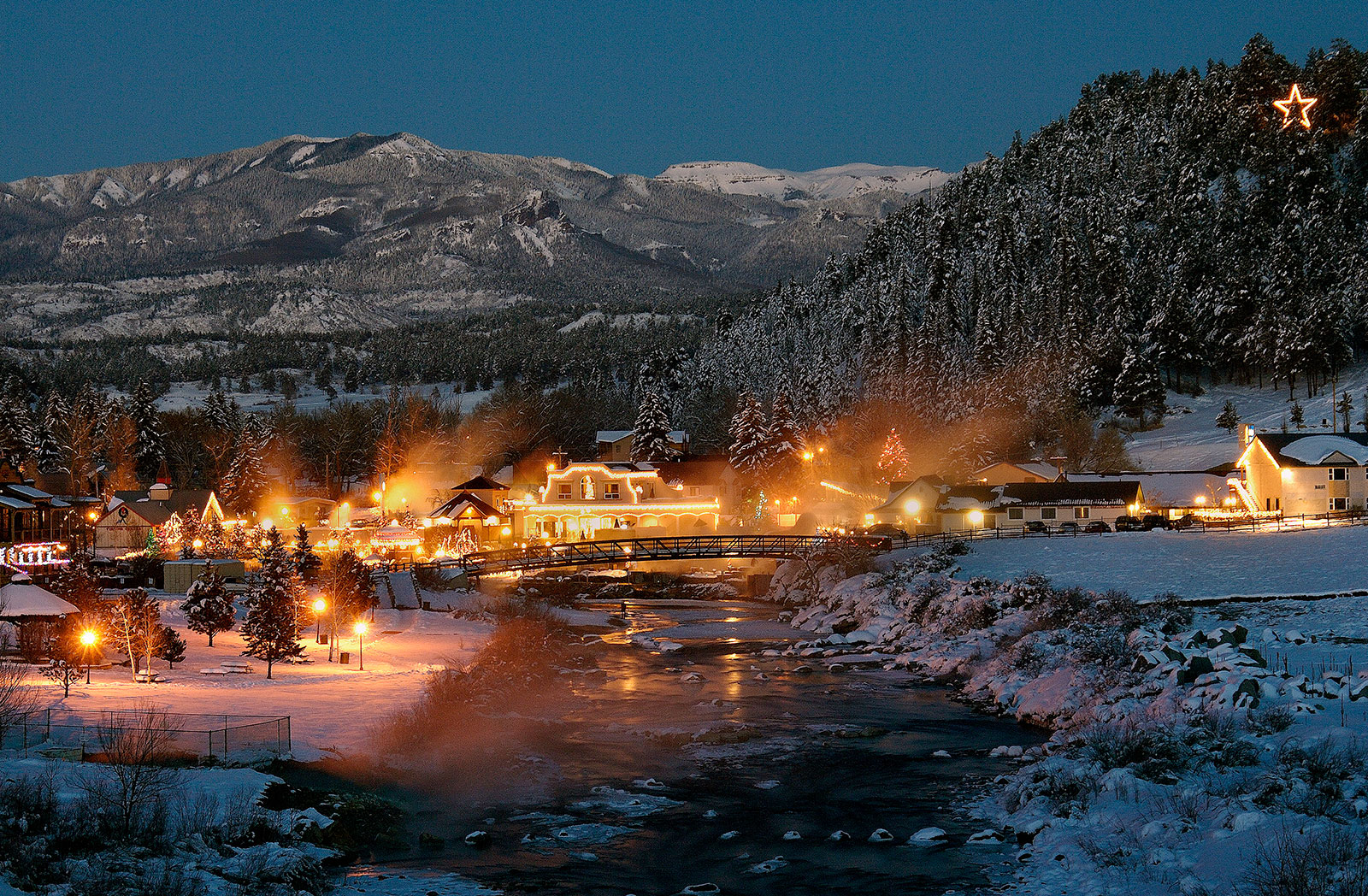
For example, running a marathon in a sultry tropical location imposes dehydration risks and electrolyte imbalances, compelling runners to strategize hydration meticulously. Conversely, marathons in colder climates challenge the body to maintain core temperature, necessitating optimized clothing and pacing. Additionally, unpredictable weather phenomena—such as sudden rainstorms or gusty winds—can introduce an element of uncertainty and excitement but also require adaptive resilience.
Choosing a marathon with favorable weather often hinges on understanding seasonal patterns and the typical climatic profile on race day. This knowledge equips runners to tailor their training and race-day expectations accordingly, turning the environment into an ally rather than an adversary.
Assessing Course Difficulty: Terrain and Elevation
The level of difficulty inherent in a marathon course is a critical consideration that affects every aspect of race strategy. Elevation profiles, surface composition, and overall course layout collectively dictate the physical exertion demanded. Courses with steep ascents and descents not only intensify muscular fatigue but also require refined technique to navigate safely and efficiently.
Runners drawn to destination marathons often seek courses that challenge their limits while also highlighting their strengths. Trail marathons elevate the difficulty through uneven, sometimes rugged paths that require agility and concentration. Urban marathons, conversely, may offer flatter but longer stretches that favor speed and endurance. Some courses, especially those in mountainous or high-altitude regions, add the formidable component of oxygen scarcity, taxing cardiovascular capacity to new extremes.
Assessing difficulty demands honest self-appraisal. Understanding personal fitness levels, injury history, and experience helps predict how well a course will align with one’s capabilities. Selecting a route that matches or slightly surpasses one’s skill level fosters growth and accomplishment rather than burnout and frustration.
Cultural and Social Atmosphere: Beyond the Physical Challenge
While physical parameters dominate the choice matrix, the cultural and social milieu surrounding a destination marathon can profoundly elevate the experience. Many runners are drawn to races known for vibrant local participation, jubilant spectators, and unique traditions. The festival-like ambiance transforms running into a communal celebration rather than a solitary ordeal.
Exploring local customs, savouring regional cuisine, and interacting with fellow participants from across the globe enhance the journey far beyond the finish line. This cultural immersion nurtures a sense of belonging and enriches personal narratives attached to the marathon. The juxtaposition of athletic endeavor within a tapestry of human connection and history taps into a deeper psychological allure.
Logistical Considerations and Accessibility
Pragmatic factors underpinning the choice of a destination marathon are equally vital. Accessibility encompasses ease of international travel, visa requirements, and transportation infrastructure. A destination that is difficult or expensive to reach can pose significant barriers, detracting from the overall experience.
Accommodation quality, safety, and availability also influence runner satisfaction. Proximity to the race start line and availability of pre-race amenities such as gear check, medical support, and carbo-loading events contribute to a smooth and enjoyable race weekend.
Moreover, timing plays an essential role in harmonizing race schedules with personal calendars and optimal training cycles. Selecting a race date that aligns with peak performance periods prevents conflicts and maximizes readiness.
The Psychological Magnetism of Destination Marathons
At its core, the fascination with destination marathons arises from a yearning to transcend routine and relish a multidimensional experience. Running in an unfamiliar environment requires adaptability and courage, traits that many find invigorating. Each step becomes a dialogue with place and self, an opportunity to discover new landscapes within and without.
This psychological magnetism is amplified by the rarity and uniqueness of the event. Unlike local races, destination marathons often carry an aura of adventure and prestige. They crystallize memories bound to time and space, transforming simple mileage into stories worth recounting. Choosing the right marathon thus becomes an act of deliberate creation, blending practical considerations with emotional resonance.
Training Implications and Preparation Strategies
Once the destination marathon is selected, preparing effectively demands a strategic approach tailored to the unique conditions anticipated. This might involve training at altitude to acclimate for high-elevation courses or incorporating hill repeats to build strength for a challenging terrain. Weather variations necessitate rehearsing hydration and clothing strategies under simulated conditions.
Nutrition and recovery protocols also adapt according to the race environment. For instance, warmer climates demand tailored electrolyte replacements, while colder zones require energy preservation tactics to manage thermoregulation. Mental preparation likewise gains prominence, with visualization and mindfulness exercises fortifying resilience against unforeseen adversities.
Balancing Aspirations with Realities
Ultimately, choosing a destination marathon is a balancing act between ambition and pragmatism. While the allure of iconic, notoriously demanding races is undeniable, it is essential to align choices with current fitness levels, prior experience, and logistical feasibility. Setting realistic goals fosters positive outcomes and diminishes the risk of physical and psychological burnout.
Opting for a marathon that combines inspiring scenery, manageable weather, and a suitable level of difficulty allows runners to savor the journey while stepping closer to their athletic and experiential aspirations. The convergence of these factors crafts an indelible experience—one that resonates long after the finish line fades from sight.