What if the slowest way to explore a city isn’t by foot, but by the unhurried rhythm of your own curiosity? Imagine wandering through ancient alleyways where every cobblestone whispers a story, lingering in sun-dappled plazas where time seems to pause, and savoring meals that unfold like a leisurely sonata. For those who believe travel is not about ticking off landmarks but about immersing themselves in the cadence of a place, a week-long itinerary in a single city offers the perfect antidote to the frenetic pace of modern life. Here are four meticulously crafted historical city itineraries designed for slow travelers—each a week-long symphony of culture, history, and serendipity.
Venice: A Week of Labyrinthine Whispers and Liquid Reflections
Venice is not a city; it’s a mirage, a floating dream where water replaces streets and history breathes through every arched doorway. To explore it slowly is to surrender to its labyrinthine charm, where every turn reveals a new layer of intrigue. Begin with the quiet hours of dawn, when the canals are still and the golden light of sunrise dances on the facades of palazzos. A vaporetto ride along the Grand Canal at this hour feels like gliding through a living painting, the water’s surface a mirror for the city’s opulent past.
Devote an entire day to the Dorsoduro district, where the pace is unhurried and the art is sublime. The Gallerie dell’Accademia, though crowded, rewards those who linger in front of Titian’s *Pietà* or Carpaccio’s *Miracle of the Relic of the Cross*. Wander the narrow calli (alleys) of Santa Margherita, where locals sip espresso at tiny bars and the scent of fresh pasta drifts from family-run osterias. By evening, seek out a hidden *bacaro* for cicchetti—Venetian tapas—and a glass of local wine, letting the hum of conversation and clinking glasses become the soundtrack to your slow evening.
The real magic of Venice, however, lies in its islands. On a lazy afternoon, take the vaporetto to Murano, where glassblowers work in centuries-old workshops, their hands shaping molten glass with the precision of alchemists. Watch, transfixed, as a master craftsman coaxes a delicate vase into existence. Then, cross to Burano, a riot of color where houses are painted in pastel hues and lace-making is a living tradition. Here, time slows to a crawl, and the only urgency is the fading light as you stroll back to Venice, the city’s silhouette shimmering across the lagoon.
Prague: Where Gothic Spires and Baroque Dreams Collide
Prague is a city that feels plucked from a fairy tale, its skyline a jagged silhouette of Gothic spires and Baroque domes. To explore it slowly is to let its medieval streets and golden-hued plazas unfold like a well-worn book. Start with the Old Town, but not at noon, when the crowds surge like a tidal wave. Instead, arrive at dawn, when the Astronomical Clock is silent, and the cobblestones are cool beneath your feet. Stand in the empty square, the weight of history pressing down, and imagine the echoes of alchemists, kings, and revolutionaries who once walked these same stones.
Spend an afternoon in the Jewish Quarter, where the synagogues and cemeteries tell stories of resilience and tragedy. The Old Jewish Cemetery, with its crowded tombstones leaning like drunken sentinels, is a place to linger, to read the inscriptions, and to feel the weight of centuries. Nearby, the Pinkas Synagogue’s walls are inscribed with the names of Czech Jews murdered in the Holocaust—a somber reminder of the fragility of memory. Yet, just beyond this solemnity, the narrow streets of Josefov are lined with cafés where locals debate philosophy over strong coffee, and the scent of freshly baked trdelník wafts through the air.
For a slower pace, escape to the Malá Strana district, where Baroque palaces and hidden gardens offer respite from the tourist throngs. The Wallenstein Garden, with its peacocks strutting across manicured lawns and fountains murmuring ancient myths, is a sanctuary of tranquility. Here, you can spend hours doing nothing more than watching the light shift through the leaves, the city’s chaos reduced to a distant hum.
Istanbul: A Week Between Two Continents, Two Empires, and Infinite Stories
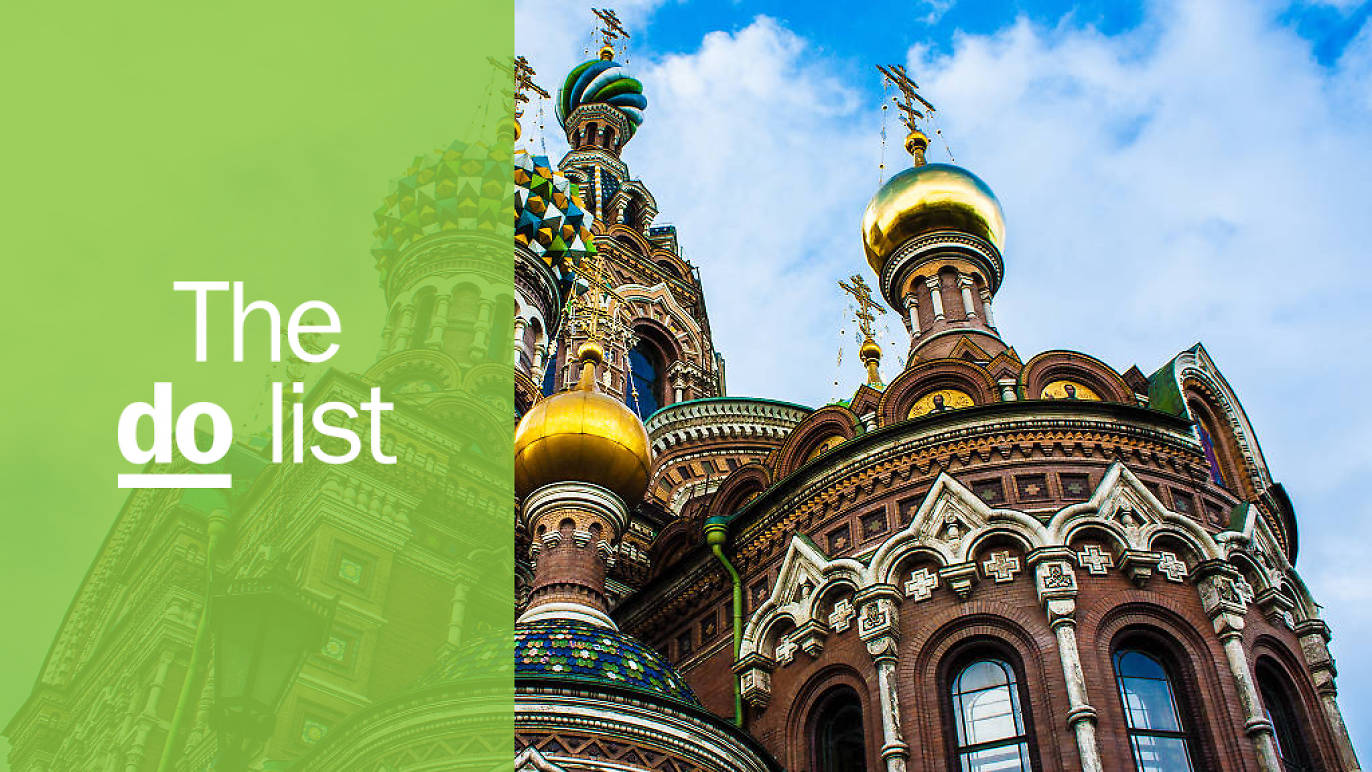
Istanbul is a city of contradictions, where minarets pierce the sky and Byzantine mosaics glow in the dim light of ancient churches. To explore it slowly is to navigate its layers like a detective unraveling a centuries-old mystery. Begin in Sultanahmet, the heart of the Ottoman Empire, but don’t rush to the Hagia Sophia. Instead, arrive just before sunset, when the last rays of light ignite the domes and the call to prayer echoes across the city. Sit on the steps of the Blue Mosque’s courtyard, watching the faithful gather, and let the weight of history settle over you.
The real joy of Istanbul, however, lies in its neighborhoods. Spend a day in Balat, where pastel houses lean precariously over the Golden Horn, their facades peeling like the pages of an old book. Here, time moves at the speed of a simit vendor’s cart, and the only urgency is the rising sun as you climb the hill to the Church of St. George, one of the oldest Orthodox churches in the world. In the afternoon, drift into the Spice Bazaar, not to shop, but to inhale the intoxicating aromas of saffron, sumac, and dried figs, letting the scents transport you to a world of Ottoman opulence.
For a slower immersion, venture to the Princes’ Islands, a short ferry ride from the city. On Büyükada, the largest island, motorized vehicles are banned, and the only way to get around is by foot, bicycle, or horse-drawn carriage. Rent a bike and pedal along the tree-lined avenues, stopping at a seaside café for a glass of ayran and a plate of fresh seafood. The island’s quietude is infectious, a reminder that even in a city of 15 million, there are pockets of stillness waiting to be discovered.
Kyoto: Where Temples Stand as Silent Witnesses to Time
Kyoto is the antithesis of haste, a city where temples are not just buildings but living entities, their wooden beams groaning with the weight of centuries. To explore it slowly is to adopt the mindset of a monk, moving with deliberate grace and finding beauty in the ephemeral. Begin with the Arashiyama Bamboo Grove at dawn, when the light filters through the towering stalks in emerald-green shafts, and the only sounds are the rustle of leaves and the distant cry of a crow. Walk the narrow paths, letting the bamboo’s whisper guide your steps, and emerge into the world feeling as if you’ve stepped into another realm.
Devote a day to the Philosopher’s Path, a canal-lined walkway where cherry blossoms (or, in other seasons, fiery maples) frame the way forward. Stop at every teahouse along the way, sipping matcha while watching the water ripple beneath the willows. In the afternoon, visit the Kinkaku-ji, the Golden Pavilion, but not to rush through its gilded halls. Instead, sit in the surrounding gardens, where the reflection of the temple shimmers in the pond like a mirage, and the only movement is the slow drift of a koi fish beneath the surface.
The true magic of Kyoto, however, lies in its hidden corners. In the Higashiyama district, the Sannenzaka and Ninenzaka streets are lined with machiya (traditional wooden townhouses) that have stood for centuries. Here, you can stumble upon a tiny pottery studio, where an artisan shapes clay with the same techniques used a thousand years ago. Or, in the evening, find a small izakaya tucked away in a back alley, where locals gather to share small plates of yakitori and sake, their laughter blending with the clink of glasses.