For decades, the “logic” behind choosing a travel destination was relatively straightforward. It was driven by a mixture of historical significance, seasonal weather, and word-of-mouth recommendations from travel guides or family members. However, as we navigate through 2026, a new psychological engine is driving global tourism: the “Screen-to-Site” pipeline. Specifically, the phenomenon of C-Drama Tourism has fundamentally rewritten the traveling logic for millions of viewers, transforming passive entertainment into active, high-spend itineraries.
The narrative of travel in 2026 is no longer about just “seeing” a place; it is about “entering” a story. When a viewer watches a protagonist wander through the mist-covered mountains of Xinjiang or the bustling red-walled corridors of a Tang Dynasty palace, the emotional connection formed with the characters translates into a powerful desire for physical presence.
The New Destination Logic: Emotional Geography
Traditional travel logic prioritized the “What”—as in, what is there to see? C-Drama Tourism shifts the focus to the “How”—as in, how will I feel when I am there? This is what industry experts call “Emotional Geography.”
When the hit 2025 series My Altay showcased the rugged, pristine beauty of Northern Xinjiang, it didn’t just market a landscape; it marketed a sense of “healing” (zhiyu). Consequently, the travel logic for urban dwellers in 2026 has shifted. Instead of looking for the most convenient beach resort, they are seeking the specific “vibe” of the Altai grasslands to replicate the peace they felt while watching the show. This narrative-driven choice explains why once-obscure regions are now outperforming established tourist hubs like Sanya or Hangzhou in growth percentages.
The Architecture of Aspiration
A major component of C-Drama Tourism is the “Archival Logic.” High-budget historical dramas, such as the 2026 breakout Mo Li or the legendary Longest Day in Chang’an, serve as immersive history lessons. They use high-fidelity production to showcase traditional Chinese architecture, clothing, and etiquette with descriptive precision.
This has created a surge in “Heritage Tourism.” Travelers are now booking trips to cities like Xi’an, Luoyang, and Datong with a specific checklist. They want to see the sunmao (interlocking wood joinery) they saw in a palace scene or visit a specific temple that served as a backdrop for a pivotal plot twist. The informative nature of these dramas has raised the “cultural literacy” of the average traveler; they are no longer satisfied with generic tours. They want to discuss the nuances of Song Dynasty tea ceremonies or the specific silk-weaving techniques of the regions they visit.
The “Hanfu” Economy and Participatory Travel
Perhaps the most radical shift in traveling logic is the move from observation to participation. In 2026, the concept of a “sightseeing tour” feels increasingly dated. Today’s C-Drama fans engage in “Cosplay Tourism.”
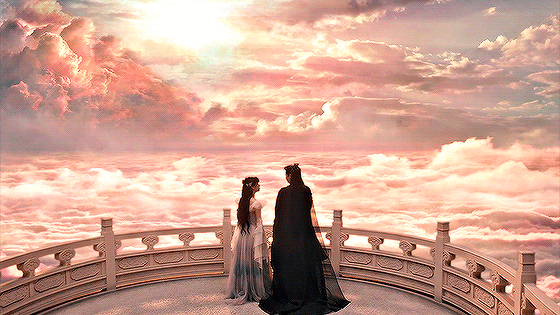
In cities like Luoyang, the industry has shifted toward a consumption ecosystem centered on the Hanfu (traditional clothing) experience. The logic is simple: if you are visiting a thousand-year-old temple, you should look the part.
This participatory element has turned travel into a form of performance art. Visitors spend hours in professional makeup chairs and hundreds of dollars on silk rentals to become a “character” for a day. This has given birth to a massive ancillary industry of “Drama Photographers” who specialize in capturing cinematic-style shots for social media. The travel logic here is driven by “Social Capital”—the desire to share an aestheticized, dream-like version of one’s journey that matches the high production value of the dramas themselves.
Rural Revitalization through the Screen
Informative plotlines regarding rural life have also impacted the logic of domestic travel in China. Many “slice-of-life” dramas emphasize a return to nature and the revitalization of dying villages. This has sparked a “Back-to-the-Roots” tourism trend.
Travelers are now looking for “Authentic Immersion.” They want to stay in renovated farmhouses, participate in seasonal harvests, and eat “farm-to-table” meals that they first saw in a popular streaming series. This shift in logic has provided a massive economic boost to rural provinces, proving that the Chinese dramas impact to traveling is a vital tool for economic redistribution. By making the countryside look aspirational rather than impoverished, dramas have successfully re-branded rural China as a premium travel destination.
Summary of C-Drama Tourism Logic
| Traditional Logic | C-Drama Tourism Logic | 2026 Outcome |
| Convenience: Closest/cheapest option. | Narrative: The location of a favorite scene. | Boom in remote regions like Xinjiang and Yunnan. |
| Sightseeing: Take a photo, move on. | Immersion: Dress up and “live” the story. | Massive growth in the Hanfu and styling economy. |
| Status: Famous landmarks. | Healing: Seeking a specific emotional state. | Rise of “Slow Travel” and boutique village stays. |
| Information: Reading a travel guide. | Visual Literacy: Identifying architectural styles. | Demand for high-quality, culturally accurate tours. |
Global Impact: The International Fanbase
The Chinese dramas impact to traveling is not confined to China’s borders. With international platforms like Netflix and Viki streaming these shows globally, the logic of international travelers is also shifting. In 2026, we are seeing a significant increase in inbound tourism from Southeast Asia and Europe specifically for “C-Drama Pilgrimages.”
For an international fan, the logic is about “Validation.” They have spent hundreds of hours in a digital world, and the physical trip to China is the ultimate validation of their fandom. This has led to the creation of specialized “C-Drama Tours” that take international visitors to famous filming locations, such as the Hengdian World Studios or the picturesque “Wuxia” mountains of Zhejiang.
Conclusion
C-Drama Tourism is the definitive travel trend of 2026. It represents a sophisticated evolution in how we choose our destinations, shifting from a logic of “Points of Interest” to a logic of “Points of Connection.” By blending high-art aesthetics with deep emotional narratives, Chinese dramas have turned the entire country into a living set. As these shows continue to reach global audiences, the map of the world will continue to be redrawn by the pens of screenwriters and the lenses of cinematographers. For the modern traveler, the journey no longer begins at the airport—it begins the moment they press “Play.”