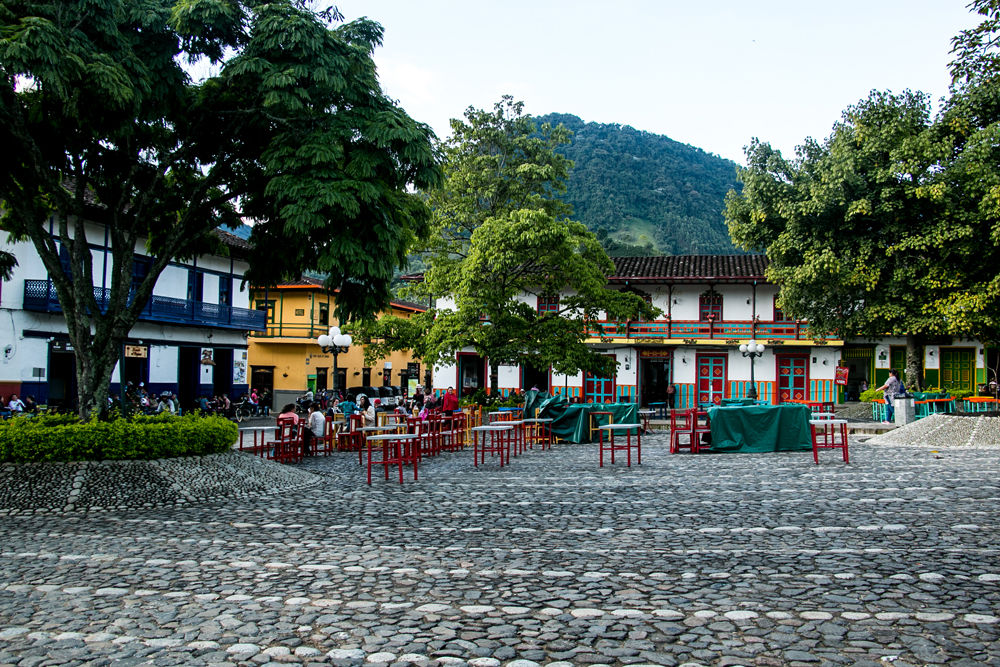
Colombia’s Coffee Region, or the “Eje Cafetero,” is more than a map dot on a travel guide—it is a living tapestry where mist‑laden hills, verdant plantations, and centuries‑old villages weave together like the aromatic threads of a perfect espresso. The allure of this landscape goes beyond caffeine; it is a convergence of culture, nature, and adventure that rewards every curious traveler.
1. Breathtaking Andean Landscapes that Paint the Sky
The undulating Andes create a dramatic backdrop of emerald valleys, misty peaks, and river canyons that resemble a watercolor masterpiece. As you drive along winding roads, clouds swallow the hills only to reveal sun‑kissed terraces that sparkle like emerald tiles. This ever‑changing scenery offers countless photo opportunities and a sense of scale that reminds visitors they are part of something far larger than themselves.
2. World‑Renowned Coffee Plantations
Stepping onto a plantation is like walking through a living laboratory of flavor. Here, Arabica beans are cultivated at elevations between 1,300 and 2,000 meters, where the cool climate and volcanic soil produce the nuanced acidity and caramel sweetness that define Colombian coffee. Guided tours let you trace the journey from seed to cup, offering a tactile education that no textbook can match.
3. UNESCO‑Designated Coffee Cultural Landscape
In 2011, UNESCO recognized the region as a World Heritage site for its unique blend of natural beauty and cultural practices. This designation not only safeguards the environment but also preserves traditional farming methods, architecture, and festivals that have been passed down through generations, ensuring an authentic experience for visitors.
4. Charming Towns that Echo Colonial Elegance
Places like Salento, Manizales, and Filandia exude an old‑world charm with pastel façades, cobblestone streets, and wrought‑iron balconies. Each town offers a distinct personality—Salento’s vibrant art scene, Manizales’ buzzing nightlife, and Filandia’s tranquil plazas—making the region a mosaic of experiences that cater to any travel style.
5. The Legendary Valle de Cocora
Rising like a forest of giants, the wax palm tree (Ceroxylon quindiuense) dominates Valle de Cocora. These towering palms, some exceeding 60 meters, sway gracefully in the highland breezes, creating a surreal silhouette that feels almost mythic. Hiking the valley provides both a physical challenge and an ethereal encounter with nature’s skyscrapers.
6. Adventure Sports for the Thrill‑Seeker
From paragliding over coffee‑covered ridges to white‑water rafting on the Cauca River, the region offers adrenaline‑pumping activities that complement its serene landscapes. The combination of altitude and natural obstacles makes for world‑class conditions that attract both novices and seasoned athletes.
7. Rich Biodiversity and Protected Reserves
National parks such as Los Nevados and the Sierra Nevada de Santa Marta host cloud forests, páramos, and endemic wildlife. Spotting the Andean bear, spectacled owl, or a chorus of orchid species adds an ecological dimension to the trip, reminding travelers that the area is a living laboratory for conservation.
8. Gastronomic Delights Beyond Coffee
The regional cuisine blends Indigenous, Spanish, and African influences into comforting dishes like bandeja paisa, arepas, and trout from mountain streams. Pair each meal with a locally roasted brew, and you’ll taste the harmony between land and plate—a culinary story told in every bite.
9. Sustainable Tourism Initiatives
Many farms and lodges in the Coffee Region operate under fair‑trade and organic certifications, emphasizing responsible consumption and community empowerment. Staying in eco‑lodges or participating in “coffee‑harvest” experiences supports local economies while reducing environmental footprints.
10. Year‑Round Climate that Welcomes All Seasons
The equatorial location creates a mild, spring‑like climate year‑round, with average temperatures ranging between 16°C and 24°C (60°F‑75°F). This predictable weather allows visitors to plan trips at any time without fearing extreme heat or cold, making the region an evergreen destination.
11. Vibrant Cultural Festivals
Annual events such as the Feria de Manizales and the Festival del Café celebrate the region’s heritage with music, dance, and traditional contests. These gatherings are an immersive window into local customs, where visitors can mingle with residents, sample folk cuisine, and witness the exuberant spirit of Colombian hospitality.
12. Accessible Transportation Network
Major airports in Pereira, Bogota, and Medellín connect the Coffee Region to international and domestic routes. Well‑maintained highways and scheduled bus services make it easy to travel between towns, while scenic train rides—like the historic “Tren Turístico” through the mountains—add a nostalgic layer to the journey.