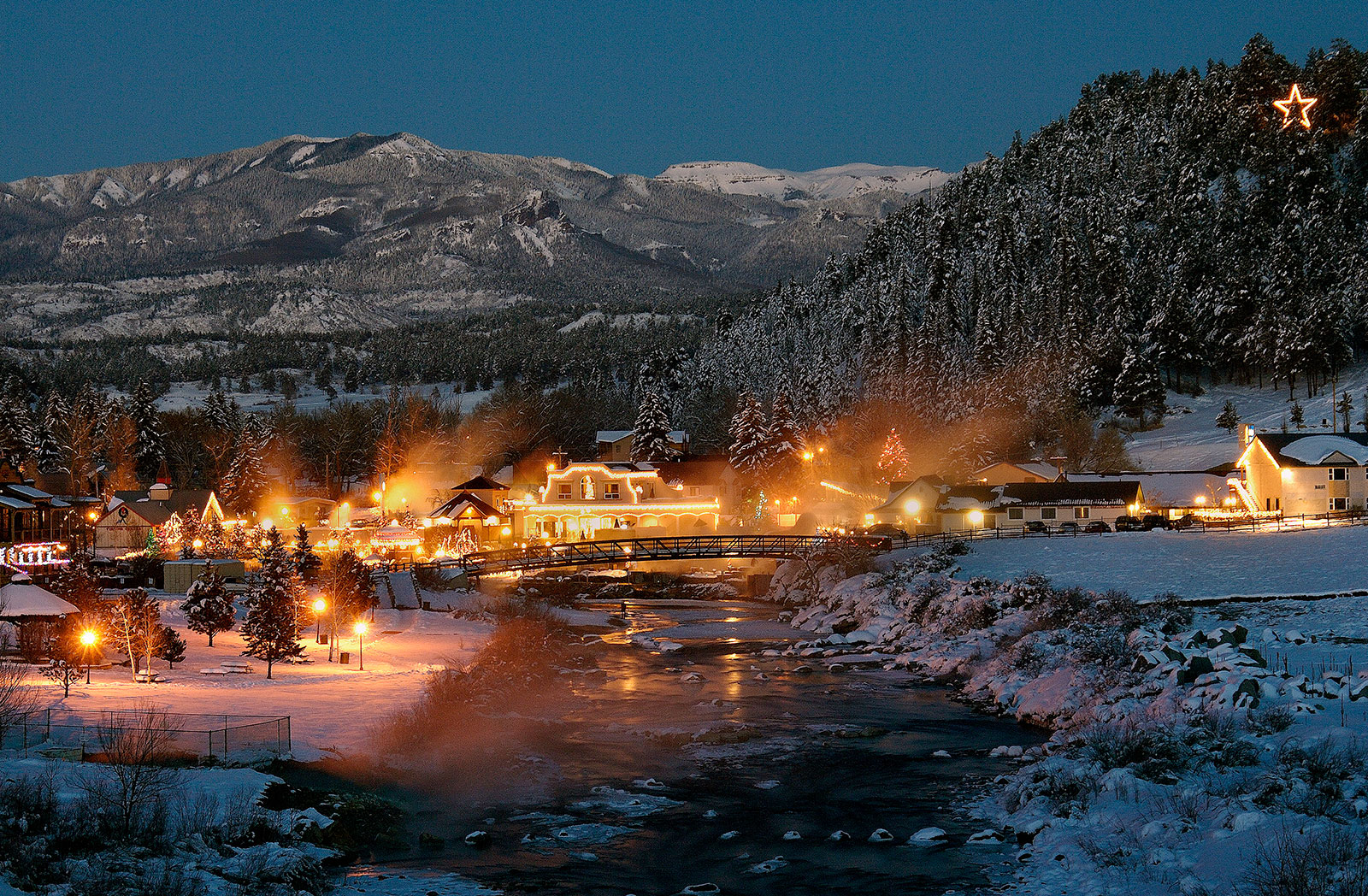
There’s something almost rebellious about stepping into the teeth of winter alone—no huddled groups, no shared blankets, just you and the crisp, unfiltered air biting at your cheeks. Cold weather travel isn’t for the faint of heart; it’s a test of resolve, a quiet duel between comfort and adventure. But when you’re solo, every layer becomes a statement. It’s not just about staying warm—it’s about declaring your presence in a world that often feels too loud. The right packing list transforms you from a shivering wanderer into a figure of quiet authority, moving through snow-laden streets with the confidence of someone who knows exactly what they’re made of.
The Art of the Base Layer: Your Silent Rebellion
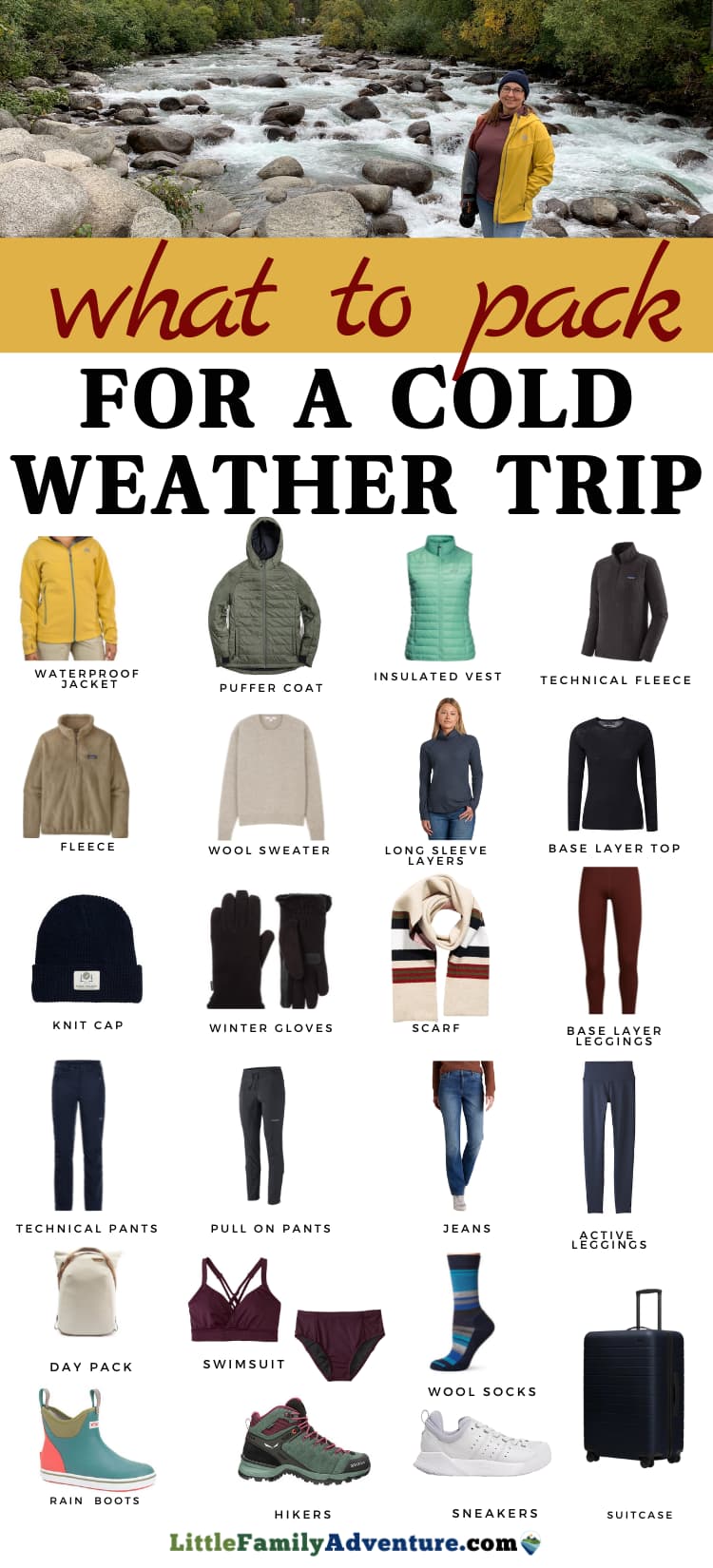
Think of your base layer as the manifesto of your journey. It’s the first whisper of your intent, the quiet declaration that you refuse to be cowed by the cold. Merino wool isn’t just fabric; it’s a second skin that breathes with you, wicking away the traitorous sweat that would otherwise betray your body into surrender. Unlike synthetic imposters that trap you in a synthetic prison, merino adapts. It’s the difference between feeling like a human or a mannequin in a department store window.
But here’s the twist: don’t just buy any merino. Seek out the kind that feels like a second heartbeat—soft enough to forget it’s there, yet sturdy enough to endure a day of relentless city exploration or a hike through a frost-kissed forest. The best base layers are the ones that make you forget you’re wearing them, until the moment you step into a heated café and realize you’re still cool, still dry, still in control.
The Mid Layer: The Architect of Warmth
The mid layer is where strategy meets survival. It’s the architect of your thermal fortress, the layer that decides whether you’ll be a prisoner of the cold or its master. Fleece, down, or synthetic insulation—each has its cult following, but the true connoisseur knows that versatility is king. A lightweight down jacket might be your armor for a blizzard, but it’s useless if you’re stuck in a drafty train station. Enter the fleece: the unsung hero that laughs in the face of biting winds while remaining light enough to stuff into a daypack when the sun finally deigns to peek through.
Consider the active insulation revolution—technologies like PrimaLoft Gold and Climashield APEX that mimic down’s loft without the damp vulnerability. These fabrics are the cold-weather equivalent of a Swiss Army knife: compact, adaptable, and always ready. Pair them with a hooded fleece, and suddenly you’re not just warm—you’re formidable. The mid layer is where you play god with your microclimate, adjusting your insulation like a conductor leading an orchestra of warmth.
The Outer Shell: Your Armor Against the World
If the base layer is your manifesto and the mid layer your strategy, the outer shell is your shield. It’s the barrier between you and the elements’ relentless assault—a waterproof, windproof sentinel that refuses to let a single flake of snow or gust of arctic air breach your defenses. But here’s the secret: not all shells are created equal. A true outer layer doesn’t just repel water; it breathes. It’s a paradox—a fortress that exhales. Gore-Tex, eVent, or similar membranes are your allies here, allowing vapor to escape while keeping the cold at bay.
Yet even the best shell is useless if it’s not paired with the right fit. Too loose, and you’re a sail in a storm. Too tight, and you’re a sausage struggling to move. Look for articulated elbows, adjustable cuffs, and a cut that allows for layers beneath without looking like you’re smuggling a small child under your jacket. And don’t forget the details: a high collar that seals against your neck, a adjustable hood that doesn’t obscure your vision, and pockets that are deep enough to stash gloves without losing them to the abyss of your coat.

The Extras: The Devil in the Details
No solo winter journey is complete without its arsenal of small but mighty allies. Gloves that are waterproof yet dexterous enough to operate a touchscreen are the difference between typing a postcard or fumbling with frozen fingers. Socks that wick moisture while cushioning your soles are the unsung heroes of every cobblestone street and snow-packed trail. And then there’s the neck gaiter—a simple tube that can be a scarf, a face shield, or a balaclava, depending on the mood of the weather.
But let’s talk about the real game-changer: hand warmers. Not the cheap, single-use kind that die after an hour, but the rechargeable lithium-ion beasts that can pump out heat for hours on end. Clip them to your gloves, tuck them into your pockets, or—if you’re feeling particularly dramatic—sew them into the lining of your coat. They’re the lifeline of the solo traveler, the tiny, persistent flame that keeps you moving when the world outside is a frozen wasteland.
And don’t overlook the power of accessories. A wide-brimmed hat that shields your face from windburn, a pair of sunglasses that double as glare reducers on snowfields, and a belt that doesn’t freeze solid at the first sign of frost. These are the details that separate the prepared from the merely bundled-up.
The Philosophy of Packing Light in the Cold
There’s a myth that winter travel demands a bulging suitcase, a fortress of fabric that weighs more than you do. But the true solo traveler knows better. The art of packing light in the cold is about strategic accumulation—choosing pieces that serve multiple purposes, that layer seamlessly, and that can be compressed into oblivion when not in use. A down jacket that stuffs into its own pocket. A fleece that doubles as a pillow. Gloves that convert into mittens. These are the tools of the minimalist winter warrior.
Yet packing light isn’t just about saving your back—it’s about preserving your spirit. A heavy bag is a chain, and chains are for prisoners, not explorers. When your luggage is a whisper instead of a roar, you move with the fluidity of a shadow. You slip into museums unnoticed, onto trains without fuss, into cafés with the ease of someone who belongs everywhere and nowhere at once.
The final trick? Leave room for souvenirs—not just trinkets, but experiences. A scarf knitted by a local artisan, a bottle of something fiery to ward off the chill, a book written by a writer who understands the solitude of winter. These are the treasures that outlast the trip, the keepsakes that remind you that even in the coldest places, warmth can be found in the unlikeliest of forms.