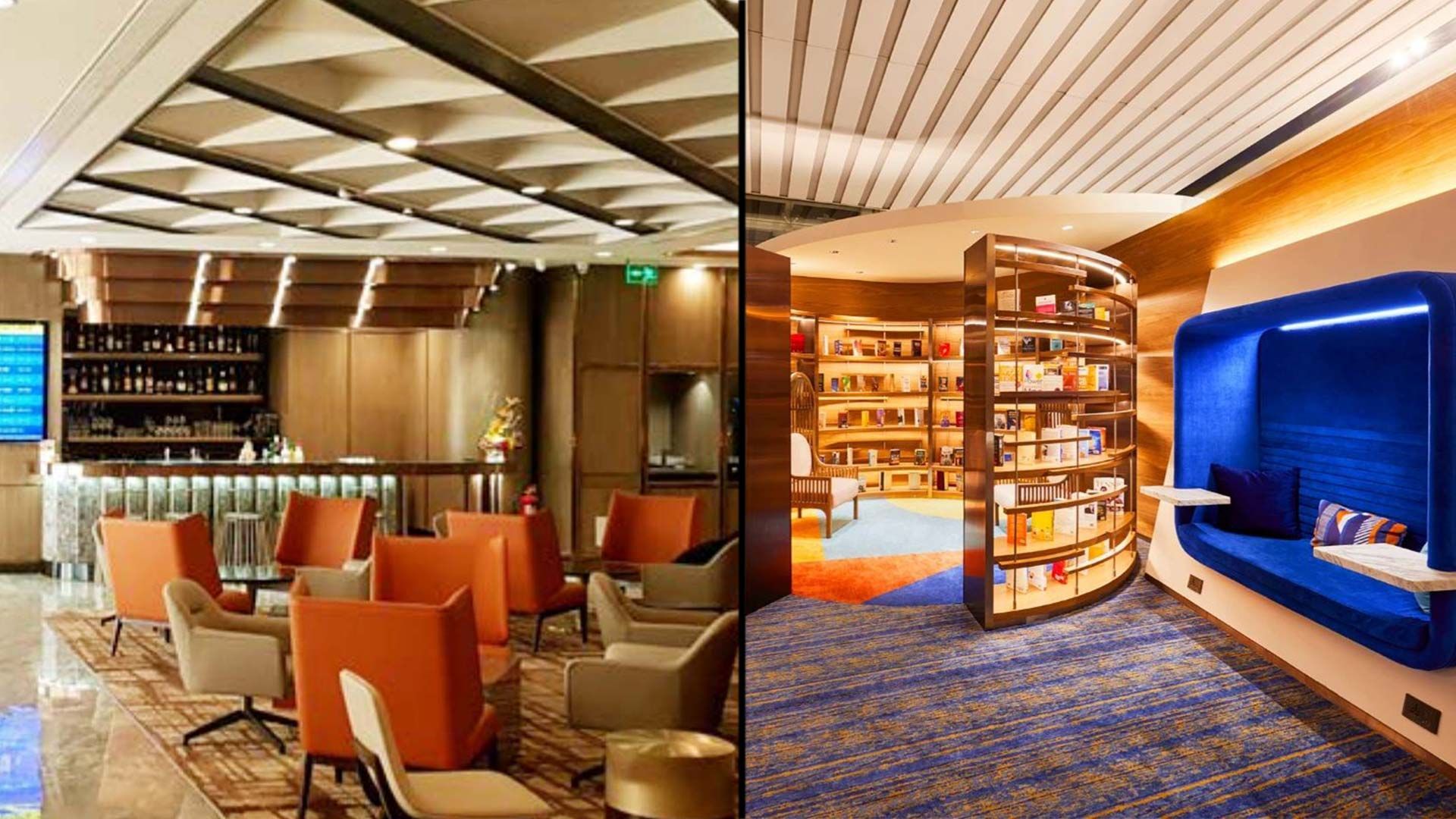
There exists a peculiar paradox in modern air travel: the more time passengers spend crammed into ever-shrinking economy seats, the more they crave spaces of opulence where time seems to slow, where every need is anticipated before it arises. This dichotomy has given rise to a new breed of sanctuary—the premium airport lounge, where the elite traveler can transform a layover into a respite of refinement. These aren’t mere waiting rooms; they are meticulously curated sanctuaries where the boundaries between transit and luxury dissolve. Here, the hum of jet engines fades into the background as guests indulge in private suites, rejuvenating spa treatments, and gourmet feasts that rival Michelin-starred establishments. What compels us to seek such extravagance in the transient limbo of an airport terminal? Perhaps it’s the subconscious desire to reclaim control over a journey that, for most, is defined by rigid schedules and shared discomfort. Or maybe it’s the allure of exclusivity itself—a fleeting escape from the democratization of travel, where even the briefest moments can be elevated into something extraordinary.
The Allure of Seclusion: Why Private Suites Redefine Airport Sophistication
At the heart of every elite airport lounge lies the promise of seclusion—a retreat from the cacophony of crowded terminals and the relentless march of time. Private suites, often concealed behind unassuming doors, offer more than just a place to rest; they provide an oasis of solitude where travelers can conduct business, unwind, or simply revel in the quiet luxury of their surroundings. Take, for instance, the sanctuaries found in Singapore Changi Airport’s The Private Room, where guests are greeted by plush furnishings, ambient lighting, and panoramic views of the tarmac. These spaces are designed to cocoon the traveler, shielding them from the chaos beyond while immersing them in an atmosphere of understated elegance. The deeper fascination here isn’t merely about comfort—it’s about the psychological reassurance that comes from knowing one’s needs will be met without the slightest inconvenience. In a world where time is the ultimate currency, these suites offer the rare gift of undivided attention, where every whim is anticipated before it’s even voiced.
Spa Rituals in Transit: The Unexpected Fusion of Wellness and Wanderlust
Imagine stepping off a transcontinental flight, your body stiff from cramped seating, only to be enveloped in the warm embrace of a private spa treatment. This is the reality for travelers at lounges like Dubai International’s Al Maha Lounge, where bespoke wellness rituals are seamlessly woven into the fabric of the journey. Here, the traditional spa experience is reimagined—not as a detour from travel, but as an integral part of it. Guests can indulge in aromatherapy massages, hot stone therapies, or even facials tailored to the stresses of long-haul flying. The deeper appeal lies in the contrast: the transient nature of air travel, with its rigid timelines and impersonal efficiency, is juxtaposed with the timeless rituals of self-care. It’s a rebellion against the hurried pace of modern life, a reminder that even in transit, one’s well-being deserves the same reverence as the destination itself. This fusion of wellness and wanderlust speaks to a growing cultural shift—one where the journey is no longer a means to an end, but an experience to be savored in its own right.
The Culinary Odyssey: Where Gourmet Dining Meets the Terminal
Airport lounges have long been associated with mediocre coffee and sad sandwiches, but the most exclusive among them have transformed dining into an art form. Consider the culinary offerings at London Heathrow’s Concorde Room, where travelers are treated to a menu curated by Michelin-starred chefs. Here, the act of eating becomes a multisensory experience—dishes are plated with precision, wines are paired with meticulous care, and every bite is a testament to the idea that luxury should never be compromised, even when one is technically still in transit. The deeper significance of this evolution lies in the democratization of fine dining. No longer confined to high-end restaurants, gourmet cuisine is now accessible to those who value the journey as much as the destination. It’s a subtle yet powerful statement: that excellence is not a privilege reserved for the few, but a standard that can—and should—be upheld in every facet of life, including the most unexpected of settings.
Architectural Grandeur: Design as a Silent Ambassador of Prestige
The most exclusive airport lounges are not merely functional spaces; they are architectural marvels that serve as silent ambassadors of prestige. Take, for example, the lounge at Tokyo Haneda Airport, where minimalist Japanese design principles create an atmosphere of serene sophistication. The use of natural materials, such as hinoki wood and stone, evokes a sense of tranquility, while the interplay of light and shadow adds depth to the experience. These spaces are designed to evoke emotion, to make the traveler feel as though they’ve stepped into a sanctuary rather than a transit hub. The deeper allure here is the idea that beauty and functionality can coexist harmoniously. In a world where efficiency often trumps aesthetics, these lounges stand as a testament to the belief that even the most transient of spaces can—and should—be a work of art.
The Psychology of Exclusivity: Why We Crave the Elite Experience
At its core, the fascination with premium airport lounges is a study in human psychology. In an era where travel has become increasingly accessible, these spaces offer a rare commodity: exclusivity. The deeper reason for their appeal lies in the human desire to feel special, to be treated as an individual rather than a faceless passenger. It’s the same impulse that drives people to seek out boutique hotels or private members’ clubs—it’s the need to belong to a select few, even if only for a few hours. These lounges cater to this desire by offering personalized service, from dedicated concierges to tailored itineraries. The experience becomes less about the journey and more about the sense of importance it confers. In a world where everyone is connected, these spaces provide a fleeting escape from the noise, a moment of quiet distinction in an otherwise egalitarian landscape.