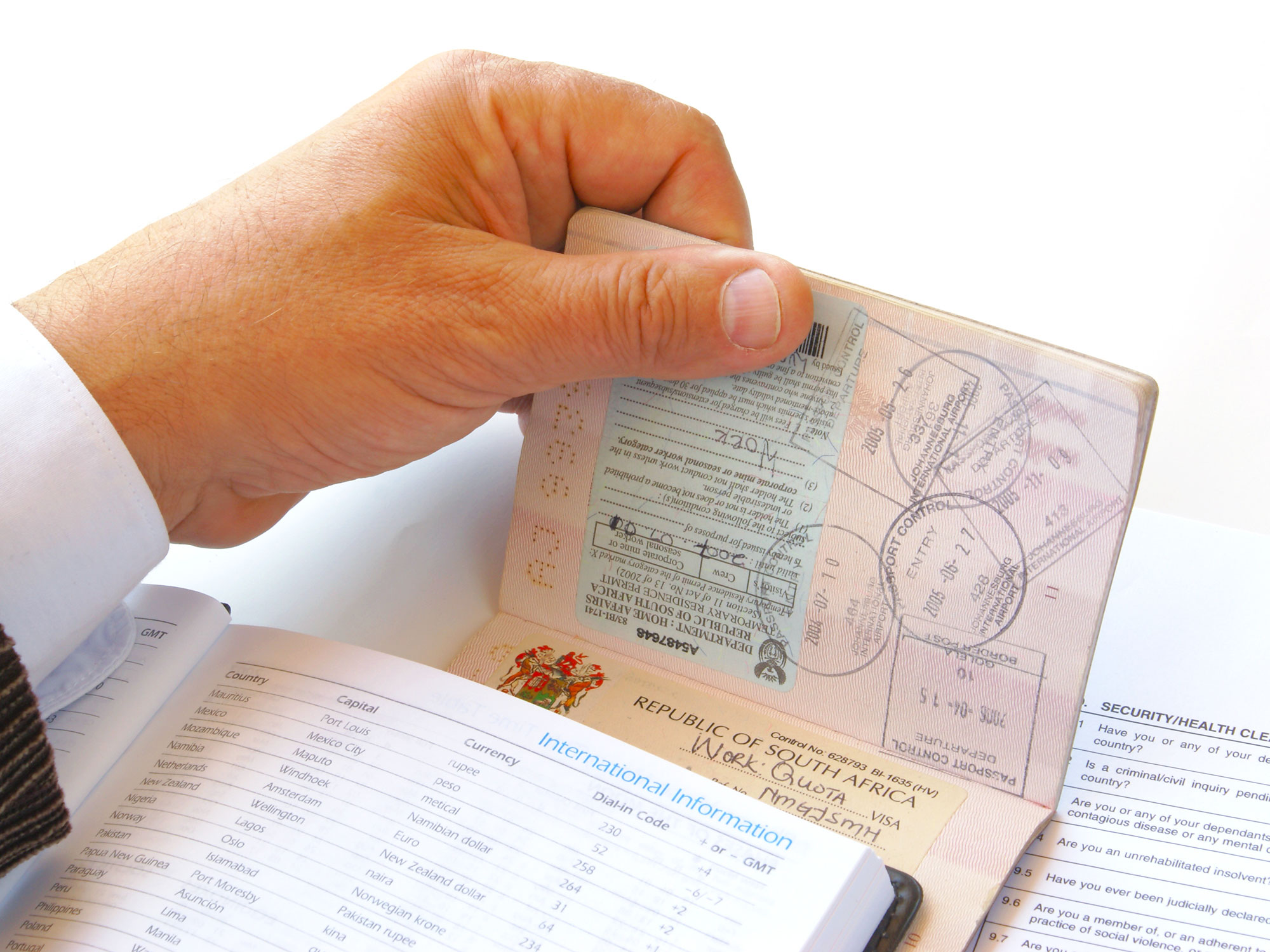
What if your passport vanished into the ether the moment you stepped off the plane, leaving you stranded in a foreign land with nothing but the clothes on your back and a sinking sense of dread? Solo travel is exhilarating—until it isn’t. The freedom to roam unshackled from itineraries and companions is intoxicating, but that autonomy comes with a cruel irony: no one’s there to bail you out when your documents decide to play hide-and-seek.
The Peril of the Paperless Pilgrim: Why Copies Are Your Lifeline
Imagine this: You’re in a bustling Moroccan souk, haggling over a handwoven rug, when a sudden jostle sends your bag tumbling. Your passport? Gone. Poof. Vanished. Now, you’re not just a traveler—you’re a ghost in a bureaucratic nightmare. This isn’t fearmongering; it’s the cold, hard reality of traveling without digital or physical backups. A passport copy isn’t just a precaution—it’s your golden ticket to sanity when the original decides to take an unscheduled vacation.
But here’s the kicker: Most solo adventurers treat copies like an afterthought, if they think about them at all. They tuck a blurry phone snapshot into their email “just in case,” only to realize too late that the image is so pixelated the embassy might mistake it for abstract art. Or worse, they rely solely on cloud storage, forgetting that Wi-Fi in developing nations is about as reliable as a three-legged stool. The solution? Print two copies—one to stash in your luggage (separate from your bag) and another to keep in a hidden pocket. And for the love of all things holy, laminate them. A soggy, crumpled copy is about as useful as a chocolate teapot.
Digital Detox Disaster: The Folly of Going Off-Grid with No Backups
There’s a romantic notion of the intrepid traveler who disconnects entirely, eschewing smartphones and laptops in favor of raw, unfiltered experience. But when your passport vanishes and your phone is your only lifeline, that romanticism curdles into farce. Relying solely on digital copies is like building a sandcastle in a hurricane—it’s going to collapse when you need it most.
Consider the traveler who loses their passport in a hostel in Hanoi. They rush to the embassy, only to be told they need to file a police report first. The catch? The police station is a two-hour bus ride away, and their phone battery is at 3%. No charger in sight. No printed copy. No embassy contact saved offline. Just a sinking realization that their “digital nomad” fantasy has just cost them days of their trip—and potentially thousands in emergency replacements.
So, do yourself a favor: Before you disconnect, ensure you’re not disconnecting from your own safety net. Save embassy contacts offline. Use apps like Google Drive or Dropbox, but also email yourself a PDF. And for the love of jet lag, keep a power bank charged at all times. The wilderness of travel is thrilling—but the wilderness of bureaucracy? Not so much.
The Embassy Escape Plan: What to Do When Your Passport Plays Vanish
Losing your passport isn’t just an inconvenience—it’s a full-blown crisis, especially when you’re solo. The embassy becomes your new home, your lifeline, your temporary prison. And here’s the unspoken truth: Not all embassies are created equal. Some are oases of efficiency; others are Kafkaesque nightmares where you’ll question every life choice that led you to this moment.
First, file a police report immediately. No, really. Even if the local authorities shrug you off, this document is your ticket to a replacement passport. Next, contact your embassy. But don’t just show up unannounced—call ahead, ask about their procedures, and confirm what documents you’ll need. Some embassies require a birth certificate. Others demand a passport photo that meets their exacting standards (yes, your selfie won’t cut it). And if you’re in a country where English isn’t widely spoken? That’s another layer of chaos to navigate.
Pro tip: Before you travel, research the nearest embassy’s location, hours, and requirements. Save the address in your phone’s notes. Print it out. Memorize it. Because when panic sets in, your brain will default to fight-or-flight—not rational planning. And if you’re in a country with no embassy for your nationality? Congratulations, you’ve just entered the twilight zone of international bureaucracy. Your only recourse may be to fly to the nearest embassy, which could mean a costly, last-minute flight and days of lost travel time.

The Signature Sabotage: Why Your Scrawl Could Cost You Everything
Here’s a scenario so absurd it borders on tragicomedy: You arrive at the airport, breezily hand over your passport, and are told, “Your signature doesn’t match.” Cue the slow-motion horror as you realize your signature has morphed over the years—from a loopy, youthful scrawl to a barely legible squiggle. The airline refuses to board you. The embassy is closed for a national holiday. And you’re stuck in a terminal, watching your dream trip evaporate like a puddle in the Sahara.
This isn’t paranoia—it’s a real, documented issue. Many countries require your passport signature to match the one on your boarding pass. If it doesn’t, you’re effectively grounded. And here’s the kicker: Some travelers don’t even realize they’ve been signing differently until it’s too late. They scribble away at hotel check-ins, credit card receipts, and hostel waivers, never once considering that their signature has become a moving target.
The fix? Practice your signature. Yes, really. Before you travel, sign your name on a piece of paper 10 times. Then sign it 10 more times. Compare the results. If they’re wildly inconsistent, pick one and stick with it. And for the love of all things bureaucratic, sign your passport in the designated space—before you even leave home. Because nothing says “I’m not prepared” like a passport with a signature that looks like it was written by a sleep-deprived toddler.
The Visa Vortex: When Your Passport’s Stamps Become a Paper Trail to Nowhere
Visas are the silent assassins of solo travel. They lurk in the fine print of your itinerary, waiting to ambush you when you least expect it. You think you’ve got everything covered—until you land in a country that requires a visa on arrival, only to discover your passport is missing the blank page they demand. Or worse, you’ve overstayed a visa in a previous country, and now you’re flagged in a global database, unable to board your next flight.
This is where preparation meets paranoia. Before you travel, check visa requirements for every country on your route. Not just the ones you’re visiting—every single transit point. Some countries require a visa even if you’re just changing planes. And if your passport is nearing its expiration date? Some nations will deny you entry on the spot, leaving you stranded in the departure lounge like a rejected protagonist in a dystopian novel.
But here’s the real kicker: Visa rules change. Governments pivot. New restrictions emerge overnight. A country that once granted visas on arrival might suddenly require pre-approval. So, do your research. Save embassy websites to your phone. Join travel forums where fellow adventurers share real-time updates. And if you’re crossing borders frequently, consider a second passport—yes, they exist. Because nothing says “I’m a seasoned traveler” like having a backup plan for your backup plan.
The Ultimate Solo Traveler’s Mantra: Hope for the Best, Prepare for the Worst
Solo travel is a dance with chaos. It’s the thrill of the unknown, the rush of independence, the intoxicating freedom of being utterly, terrifyingly alone in the world. But that freedom comes with a price: responsibility. And when it comes to documents, that responsibility isn’t just about packing light—it’s about packing smart.
So, before you jet off to chase sunsets or chase thrills, ask yourself: What’s your plan if your passport vanishes into the ether? Do you have copies? Do you know where the embassy is? Can you sign your name consistently? Because the difference between a minor hiccup and a travel disaster often comes down to a single sheet of paper—and the foresight to protect it.
Travel light, but travel prepared. Because the only thing worse than losing your passport? Realizing too late that you never had a backup to begin with.