Venturing abroad to participate in a marathon is an exhilarating experience, imbued with the promise of personal triumph and cultural immersion. Yet, beneath this radiant allure lies a complex dance between preparation and adaptability, particularly when contending with unfamiliar climates and logistics. Heat, hydration, and emergency preparedness become pivotal considerations that can drastically influence not just performance, but safety itself. These 13 marathon travel safety tips offer a paradigm shift—guiding you to not only survive the race but to transform the challenge into an empowering adventure.
1. Acknowledge the Local Climate Nuances
Before you even lace up your running shoes, delve into the meteorological idiosyncrasies of your marathon destination. Local heat indices, humidity levels, and sun intensity can diverge dramatically from your home environment. This nuanced understanding transcends mere temperature values. It informs your pacing, gear choices, and hydration strategies. For example, high humidity impedes sweat evaporation, elevating the risk of heat exhaustion even at moderate temperatures. Embrace research as your first line of defense.
2. Customize Your Hydration Strategy
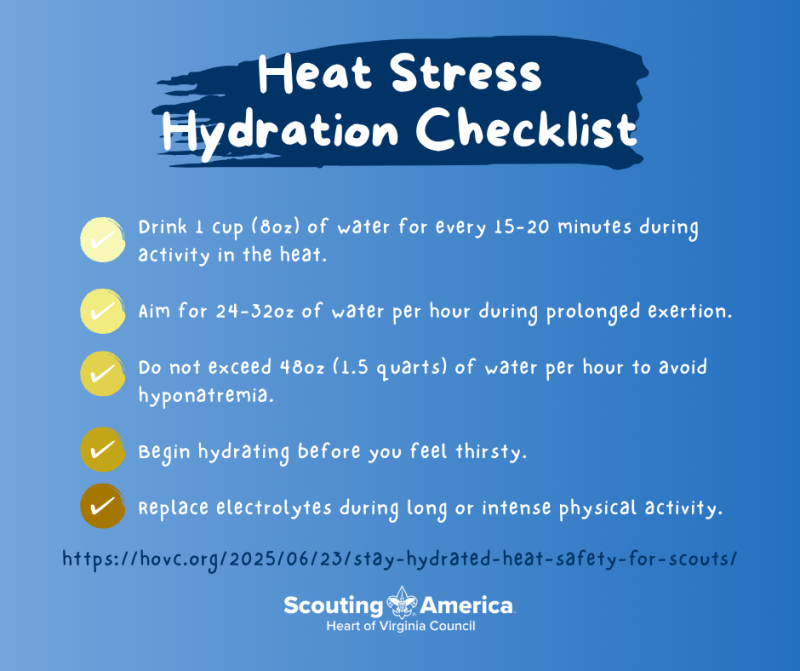
Hydration is not merely about drinking water; it’s an art that balances timing, quantity, and composition. Electrolytes—such as sodium, potassium, and magnesium—are indispensable co-factors for muscle function and fluid retention. Depleting these ions during a hot, grueling run can lead to hyponatremia or cramps. Opt for specialized sports beverages or electrolyte tablets, aligning your intake with sweat rate estimations. Pre-hydrate adequately starting days before the race to optimize cellular hydration.
3. Acclimate Gradually to Heat
Heat acclimatization is a physiological metamorphosis, where your body’s sweat mechanisms, plasma volume, and cardiovascular response recalibrate to withstand thermal stress. Ideally, plan to arrive at your destination at least 7 to 10 days in advance. Use this period to engage in light training sessions during peak heat hours, thus conditioning your thermoregulatory system. Hastening this process can jeopardize both health and race-day performance.
4. Opt for Breathable, UV-Protective Apparel
Arm yourself with technical fabrics engineered to wick moisture and enable airflow, facilitating evaporative cooling. Seek out garments embedded with ultraviolet protection factor (UPF) to guard skin from deleterious UV radiation. Lightweight hats, visors, and UV-blocking sunglasses act as additional shields. Your clothing choices transcend aesthetics—they are critical apparatuses in managing heat load.
5. Strategically Plan Your Nutrition
Endurance in extreme heat necessitates a nutrition plan rich in easily digestible carbohydrates, ample antioxidants, and anti-inflammatory agents. Avoid excessive fats or fiber on race day, which can impede gastric emptying. Incorporate foods and supplements known to bolster hydration retention, such as coconut water and potassium-rich bananas. Remember, nutrition that supports hydration is as vital as fluid intake itself.
6. Establish Emergency Contact Protocols Abroad
In foreign environs, language barriers and unfamiliar healthcare systems can complicate emergencies. Compile a dossier that includes local emergency numbers, the nearest hospitals, embassy contact information, and your travel insurance details. Share this dossier with family or a trusted contact. Equip yourself with a mobile device loaded with translation apps and offline maps. This preparatory step transforms uncertainty into a reliable safety net.
7. Monitor Your Physiological Signals Relentlessly
Foster an acute sense of bodily awareness. Early symptoms of heat distress—such as dizziness, nausea, excessive sweating, or abrupt fatigue—should prompt immediate action. Utilize wearable thermometers or heart-rate monitors calibrated for high-heat performance. These instruments provide objective data that complements subjective sensations, enabling timely intervention before conditions worsen.
8. Leverage Race-Day Hydration Stations Wisely
Strategically plan consumption at hydration points, which often provide water, electrolyte drinks, and cooling sponges. Do not wait for parching thirst—a symptom of already significant dehydration. Small, frequent sips are preferable to infrequent, large gulps that burden the stomach. Use these stations not only to hydrate but to cool core temperature by wetting skin and clothing.
9. Avoid Overexertion Despite External Pressures
The thrill of international competition and the crowd’s enthusiasm can coax you into unsustainable speeds. Recognize that severe heat can degrade muscular endurance and cognitive focus. Prioritize completing the race safely over setting personal bests. Smart pacing is an act of strategic resilience, preserving your health and ability to enjoy post-race festivities.
10. Incorporate Cooling Techniques Pre- and Post-Run
Pre-cooling methods—such as cold water immersion, ice towels, or cooling vests—lower core temperature, increasing heat tolerance during the event. Post-run, prioritize rapid cooling to curtail heat-related inflammation. Utilize shaded or air-conditioned spaces, hydration with chilled beverages, and restorative stretching. These interventions expedite recovery and minimize adverse aftereffects.
11. Safeguard Skin With Sunscreen Applications
The cumulative impact of prolonged sun exposure during a marathon can provoke sunburn, diminishing comfort and risk of heat illness. Apply broad-spectrum sunscreen with SPF 30 or higher, at least 30 minutes before stepping into the sun. Reapply periodically, especially if sweating profusely. Incorporate lip balm with SPF to protect sensitive areas.
12. Prepare for Transit Hydration Challenges
Traveling bestows logistical hurdles that can dehydrate runners before the race even begins. Air travel, time zone shifts, and variable water availability necessitate vigilant hydration. Avoid excessive caffeine and alcohol, as these substances promote fluid loss. Carry a refillable water bottle with purification capabilities to ensure access to safe fluids regardless of locale.
13. Cultivate Mental Flexibility and Awareness
Perhaps the most underestimated aspect of marathon travel safety is cultivating a mindset attuned to adaptability. Weather conditions can fluctuate unpredictably; hydration strategies might need on-the-fly adjustments. Mental preparedness for modifying your race plan, listening to your body’s needs, and seeking help promptly is indispensable. Embrace uncertainty not as a threat, but as an invitation to deepen your resilience.
Traveling abroad for a marathon is not merely a physical test—it is an intricate interplay of environmental respect, physiological savvy, and strategic foresight. By internalizing these 13 safety tenets, you prime not just your body, but your experience, to transcend the hazards of heat and dehydration. The road ahead is as much about thoughtful preparation as it is about personal triumph, illuminating a new perspective on what it means to run beyond borders.