The World Cup is more than a football tournament; it is a global celebration of culture, sport, and exploration. Each host city offers a unique blend of history, sightseeing marvels, tantalizing cuisine, and pulsating football atmospheres. Whether you are a die-hard fan or a passionate traveler, these cities provide an unforgettable backdrop for experiencing the beautiful game. From architectural wonders to culinary delights and vibrant street scenes, here’s an extensive guide to the 10 best World Cup host cities that captivate with their rich offerings beyond the pitch.
1. Rio de Janeiro, Brazil – The Marvel of Maracanã and Mosaic Streets
Rio de Janeiro, with its iconic Christ the Redeemer statue towering over sprawling beaches like Copacabana and Ipanema, epitomizes the fusion of natural beauty and football fervor. The Maracanã Stadium, an emblem of Brazilian football history, pulses with excitement during World Cup matches. Beyond the games, travelers can immerse themselves in vibrant samba rhythms, explore the colorful mosaic stairs of Escadaria Selarón, and savor traditional feijoada or freshly grilled churrasco. Rio’s electric nightlife and breathtaking landscapes make it a multi-sensory feast for visitors.
2. Paris, France – Elegance Meets Football Passion
Paris offers a tapestry of art, architecture, and culinary refinement alongside riveting World Cup moments at the Parc des Princes or Stade de France. Wander along the Seine, visit the Louvre or Notre-Dame, and indulge in quintessential Parisian delicacies like escargots, coq au vin, or delicate pastries. The city’s cafe culture offers the perfect vantage point to soak in the atmosphere before or after the matches. Every corner of Paris tells a story, making it a haven for explorers craving sophistication entwined with football zeal.
3. Munich, Germany – Bavarian Tradition and Thrilling Football
Munich embodies the quintessential German spirit: precision, tradition, and lively festivals. The Allianz Arena, home to FC Bayern Munich, becomes a cathedral of light and sound during World Cup fixtures. Visitors can visit the historic Marienplatz and the famed Nymphenburg Palace or revel in the conviviality of a beer garden. Bavarian cuisine, from weisswurst to pretzels paired with world-class brews, satisfies every palate, while the city’s efficient transport system makes sightseeing seamless and enjoyable.
4. Johannesburg, South Africa – Cultural Cradle and Football’s Heartbeat
Johannesburg, a city of resilience and rich cultural heritage, captivated the world during the 2010 World Cup. Soccer City stadium stands as both a sporting and architectural marvel. Beyond the stadium experience, visitors can explore the Apartheid Museum, vibrant townships such as Soweto, and pulsating street markets. The culinary scene thrives with local flavors, including bunny chow and boerewors rolls, offering a taste of South African life intricately woven into every event and excursion.
5. Tokyo, Japan – Futuristic Vibes and Traditional Roots
Tokyo’s hyper-modern skyline coexists harmoniously with its deep-rooted traditions. During the World Cup, stadiums like the International Stadium Yokohama host exhilarating matches that echo the city’s relentless energy. Tourists can navigate bustling districts such as Shibuya and Akihabara or find tranquility in the ancient Meiji Shrine. The food scene dazzles with sushi, ramen, and street snacks that reveal layers of culture through every bite. Tokyo’s blend of the ultramodern and the timeless makes it an extraordinary travel destination.
6. Moscow, Russia – Historic Grandeur with Football Spectacle
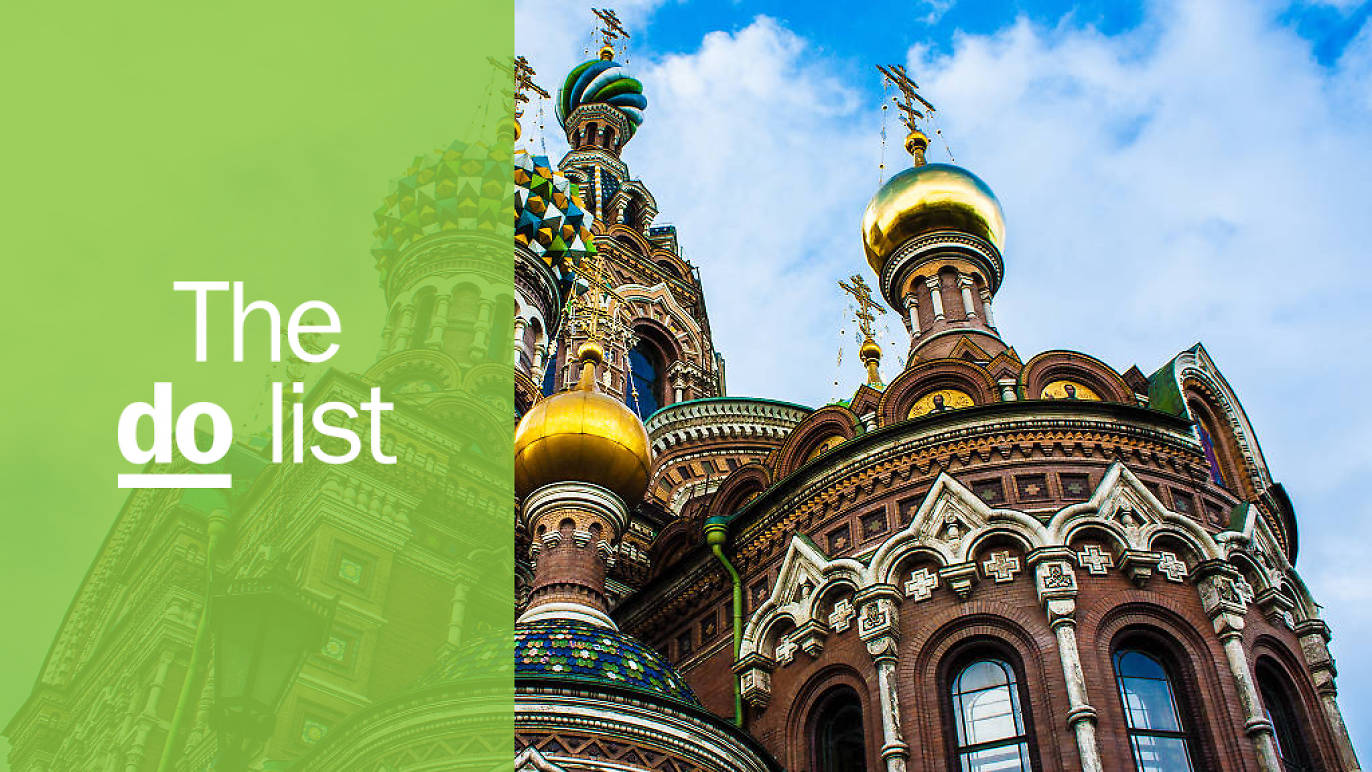
Moscow’s red-brick Kremlin walls and onion-domed churches provide a majestic backdrop for World Cup festivities. The Luzhniki Stadium, a crown jewel of Russian architecture, hosts impassioned supporters from across the globe. Visitors can meander through Red Square, sample traditional dishes such as borscht and pelmeni, and experience the city’s vibrant arts scene. Moscow blends imperial majesty with contemporary vitality, making it an enriching destination for both football and sightseeing enthusiasts.
7. Buenos Aires, Argentina – Tango, Passion, and Football Lore
Buenos Aires pulses with unparalleled passion, where football is woven into the city’s very fabric. La Bombonera stadium amplifies every chant and cheer, reflecting the fervor of Argentine supporters. Beyond the sport, neighborhoods like La Boca and Palermo beckon with colorful streets, street art, and evocative tango performances. The culinary landscape entices with iconic dishes like asado and empanadas, giving visitors a holistic immersion into Argentine culture that transcends the stadium walls.
8. London, England – Historic Pubs, Royal Heritage, and Football Legacy
London, steeped in centuries of history, exudes a football tradition that spans the Premier League’s roots to global tournaments. Wembley Stadium stands as a monument to historic matches and electrifying atmospheres. Tourists can explore landmarks from the Tower of London to Buckingham Palace, and sample a smorgasbord of international cuisine alongside classic English fare such as fish and chips or Sunday roast. The city’s diverse boroughs offer an endless array of cultural and gastronomic adventures that complement its sporting heritage.
9. Cape Town, South Africa – Coastal Splendor and Dynamic Football Culture
Cape Town’s dramatic landscapes—from Table Mountain to pristine beaches—create an unforgettable setting for World Cup matches hosted at the Cape Town Stadium. Adventure seekers can hike, dive, or wine taste in nearby vineyards, while food lovers indulge in local seafood and Cape Malay curries. The city’s multicultural tapestry is reflected in both its cuisine and its spirited football fandom, presenting an enriching experience for those who crave scenery, culture, and sport entwined.
10. Doha, Qatar – Modern Innovation Meets Desert Heritage
Doha, the newest entrant on the World Cup stage, impresses with state-of-the-art stadiums embedded in futuristic architecture. The blend of ultramodern urban design and centuries-old Islamic traditions creates a fascinating juxtaposition. Visitors can explore bustling souks, savor rich Middle Eastern flavors like machboos and falafel, and absorb cultural performances. The city’s strategic position serves as a gateway between East and West, offering visitors an exceptional blend of innovation, tradition, and football passion.