When the final whistle blows and the echoes of the World Cup begin to fade, a remarkable opportunity arises. Beyond the fervor of the stadiums and the kaleidoscope of flags, there is a compelling allure to linger, to explore the host country long after the matches have ended. This post-World Cup travel phenomenon taps into a deeper fascination—one that transcends the game itself and touches upon the intricate tapestry of culture, geography, and human connection. Understanding why so many choose to extend their stay reveals how travel and sport, combined, enrich the soul and broaden horizons in striking ways.
Unveiling the Cultural Tapestry Beyond the Stadiums
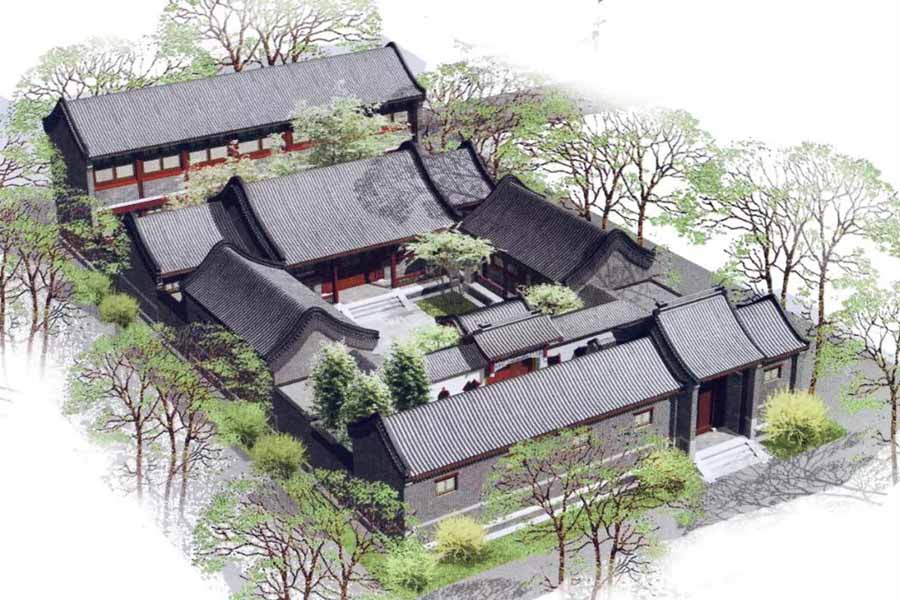
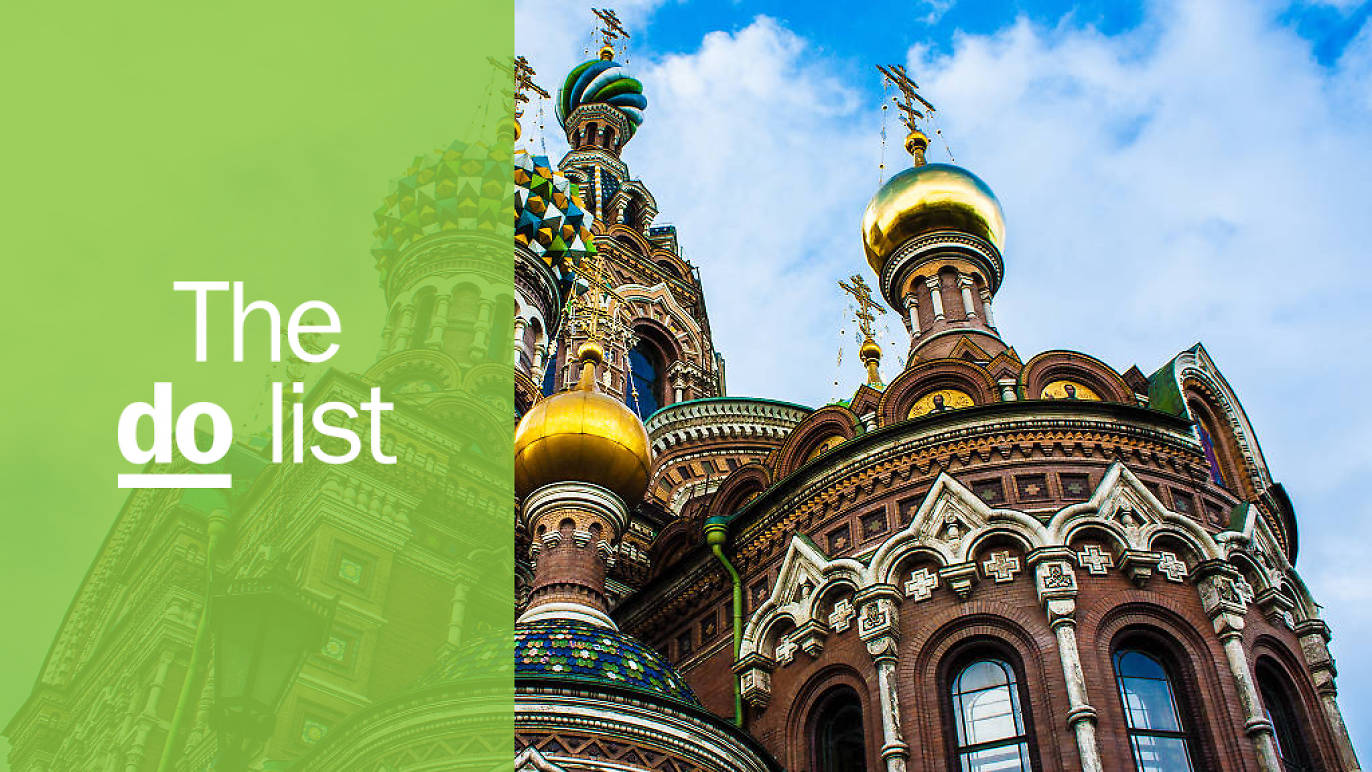
One of the most captivating reasons travelers choose to explore the host nation after the World Cup is the chance to immerse themselves in the local culture. Stadia are vibrant microcosms of national identity—they burst with passion, pride, and a shared purpose. Yet, beyond those walls lies an even richer cultural tapestry waiting to be discovered. Museums, historic neighborhoods, art galleries, and theaters offer narratives that paint a fuller, more nuanced portrait of the country’s heritage. It is within these quieter precincts that authentic stories unfold, untethered from the adrenaline of the matches. Visitors often find that the spirit of the country reveals itself in the aroma of local cuisine, in the cadence of street music, or within the centuries-old architecture, providing a meaningful context to the excitement they witnessed during the tournament.
The Geography of Wonder: Landscapes That Define a Nation
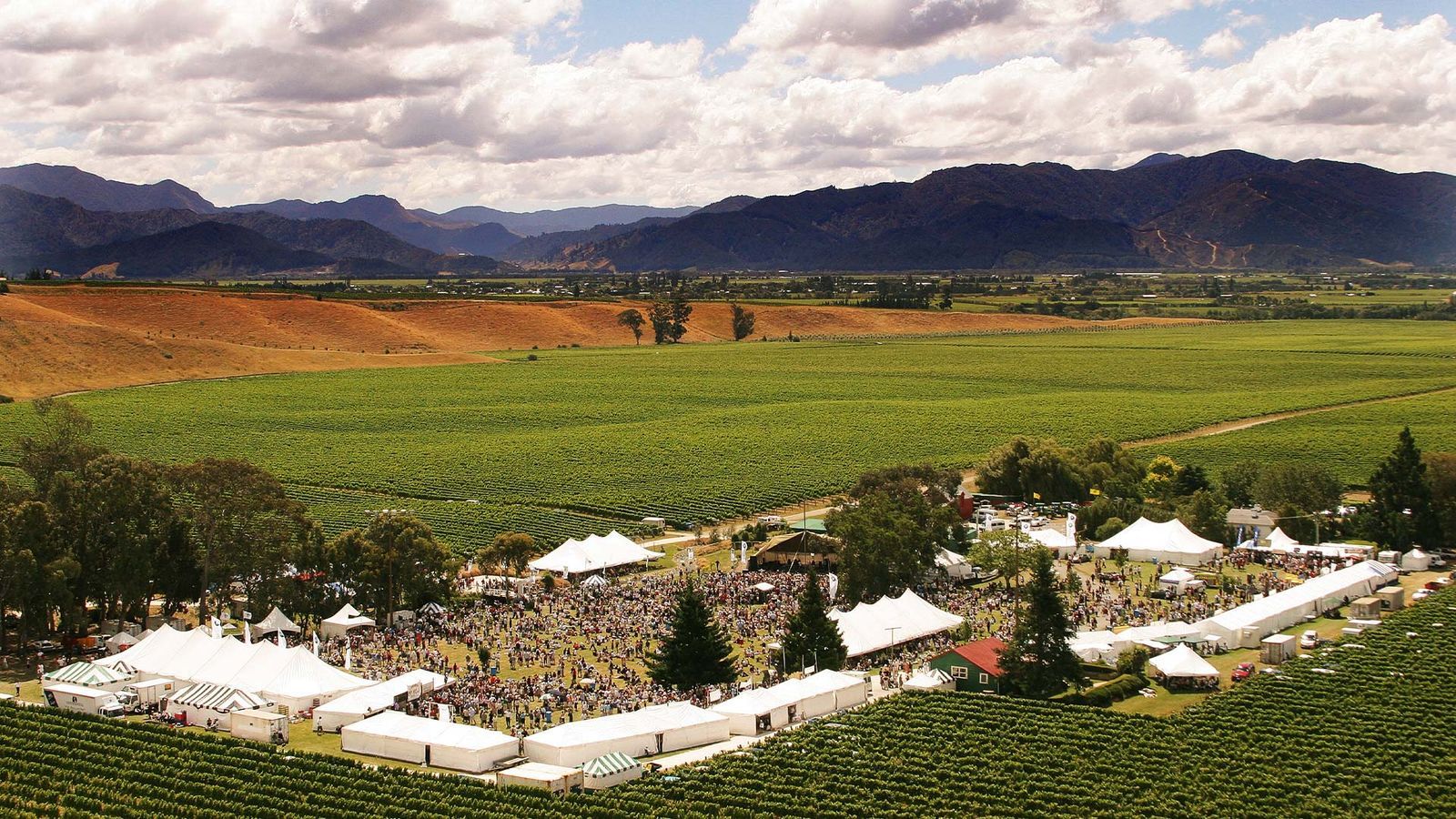
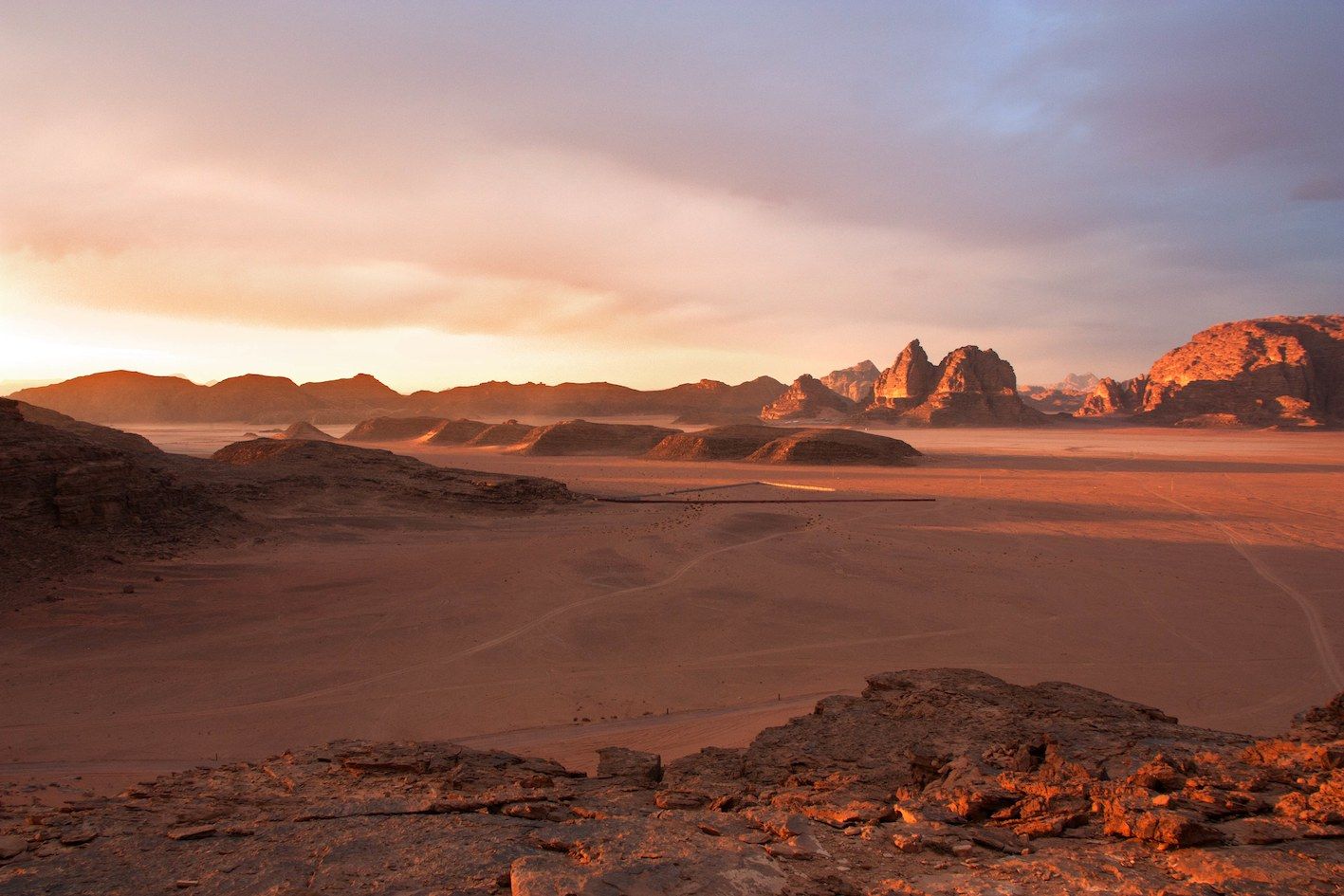
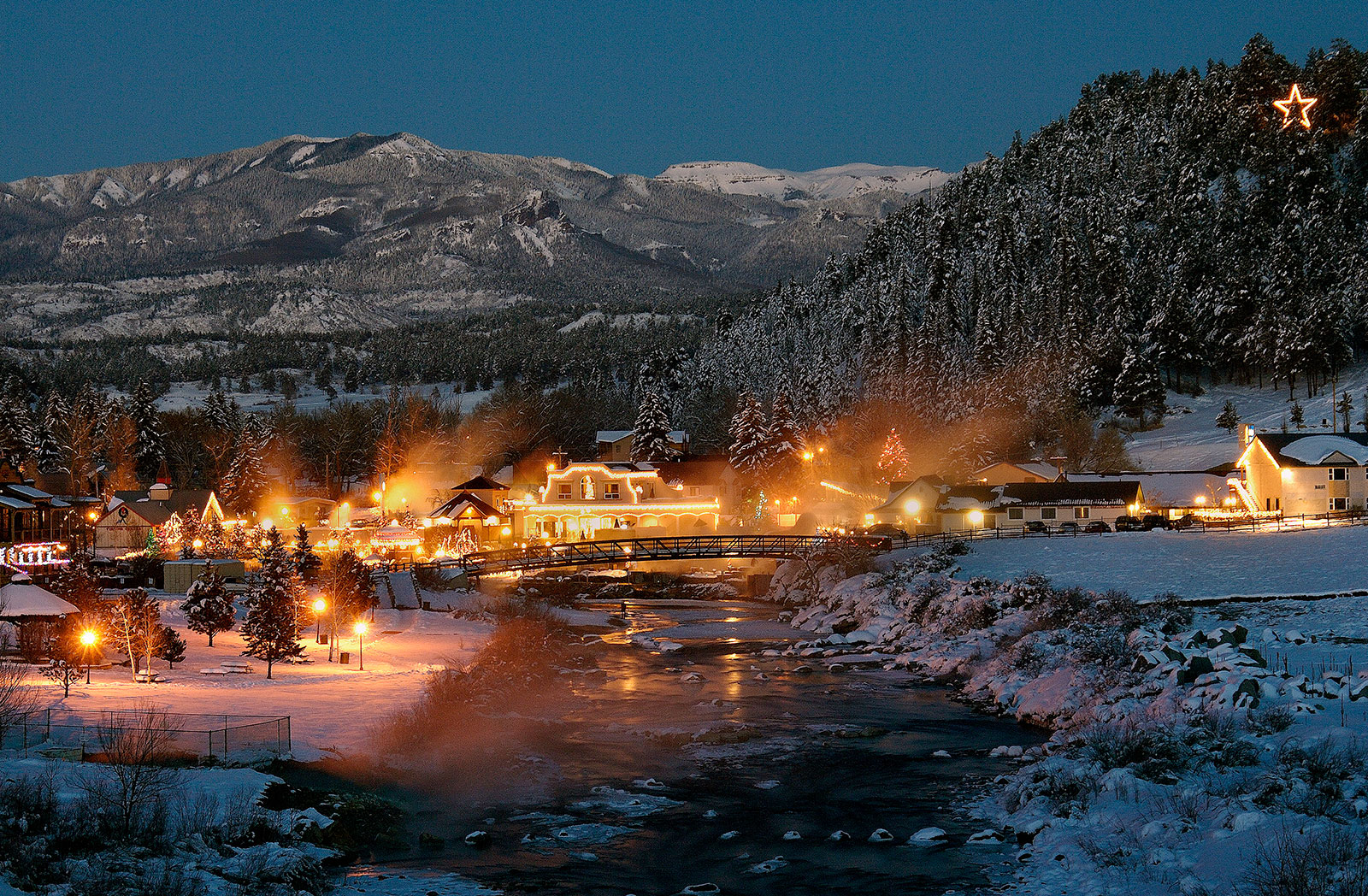
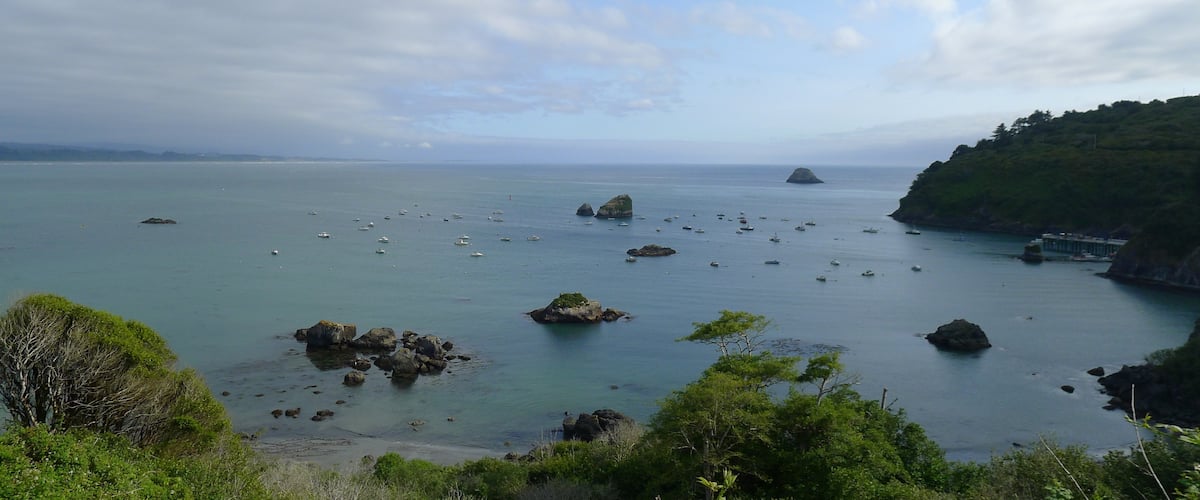
The World Cup site selection frequently spotlights regions of spectacular natural beauty or evocative urban environments. Once the tournament concludes, travelers have the freedom to venture into these surrounding landscapes—whether soaring mountain ranges, rolling plains, or coastal stretches—to experience the country’s diverse geography firsthand. These excursions transform a sports trip into an epicurean journey for the senses and a meditation on place. For many, the stark contrast between the feverish, concentrated energy of sporting venues and the contemplative solitude of natural landscapes adds layers of emotional resonance to their travels, deepening their connection to the nation they’re exploring.
Savoring Local Cuisines: A Culinary Continuation of Celebration
Food often occupies a central role in the carnival atmosphere during the World Cup, with street vendors and stadium eateries offering quick bites. However, relinquishing the constraint of match schedules invites travelers to dive deeper into the culinary heritage of the host country. From rustic tavernas serving traditional recipes handed down through generations to avant-garde restaurants reinterpreting local ingredients, the post-tournament journey becomes a gastronomic expedition. Meals are not simply sustenance but acts of cultural exchange—a dialogue between visitor and host expressed through taste and tradition. This lingering appreciation of local gastronomy nourishes a deeper understanding of place and people.
Connecting with the Local People: Stories That Extend Beyond the Pitch
Sport is a powerful catalyst for human connection. During the World Cup, interactions often occur in the context of shared enthusiasm or rivalry. Yet, once the event is over, travelers have the unparalleled opportunity to cultivate genuine relationships with locals in everyday settings. These encounters can reveal the nuances of daily life, shared hopes, and struggles that are often overshadowed by the spectacle of the tournament itself. Such dialogues foster empathy and combat stereotypes, transforming perceptions formed around simple win/loss dichotomies into richer, more compassionate understandings of the host culture.
Exploring Lesser-Known Locales: The Hidden Gems off the Beaten Path
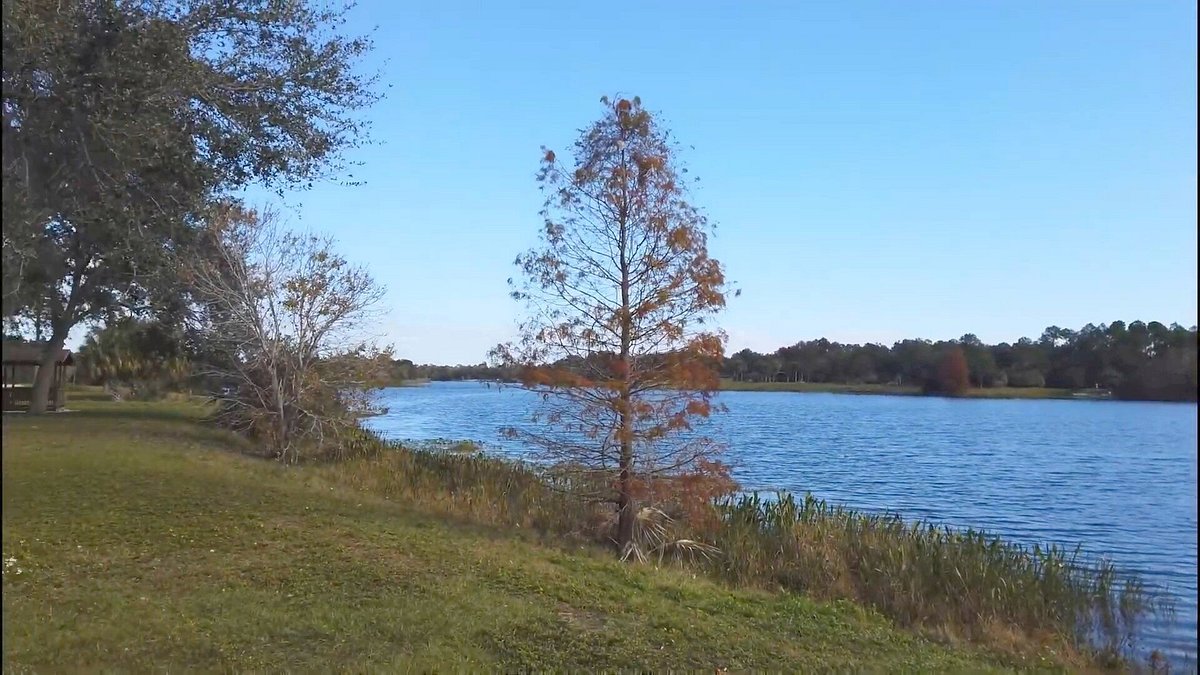
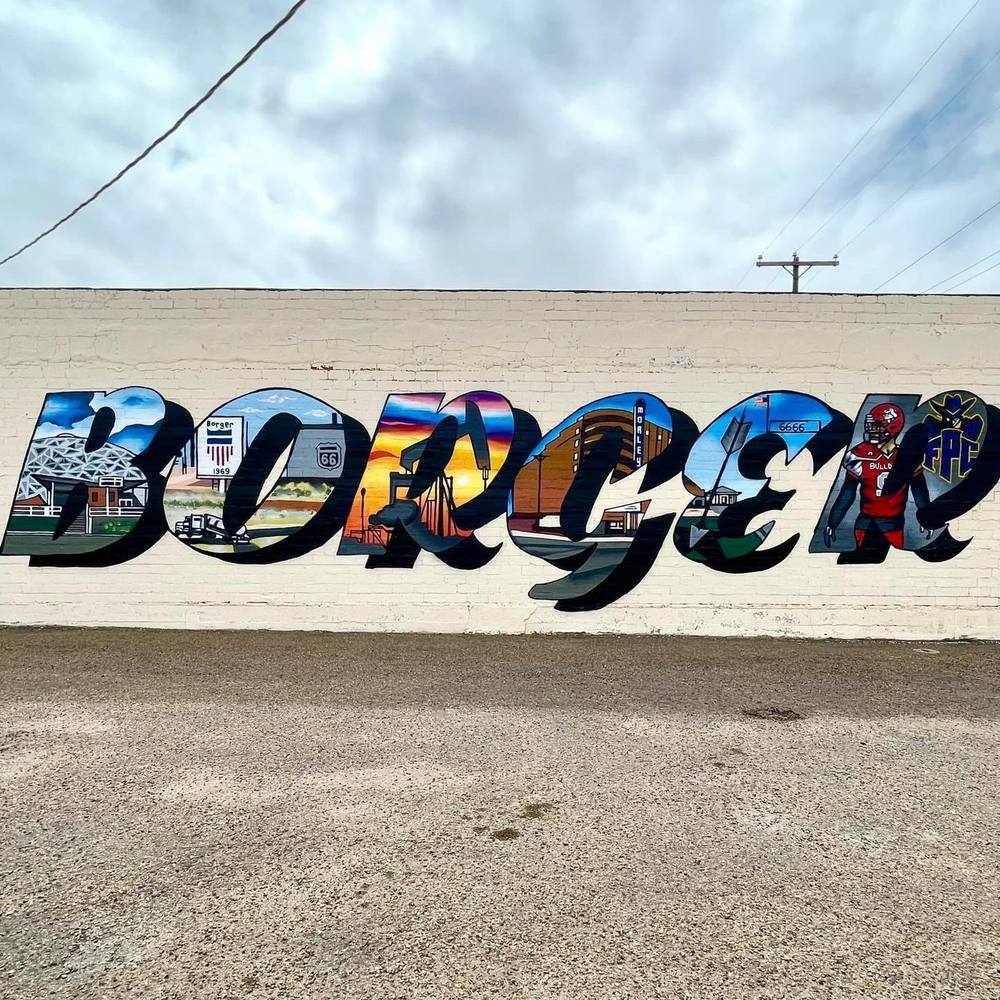
Post-World Cup travel often motivates excursion beyond the primary cities or famous landmarks. Enthusiasts and explorers seek out less trafficked towns and rural areas, which frequently embody the authentic pulse of the country more faithfully than heavily touristed pockets. These hidden gems—whether a quaint village steeped in folklore, an artisan’s workshop, or a secluded nature reserve—offer an antidote to the homogenizing effects of globalization and mega-events. Their discovery requires effort and curiosity, but the rewards include intimate glimpses into ways of life that remain beautifully untouched by the grand stage of international sport.
Extending the Festivity: Festivals and Local Celebrations
Many host nations align the World Cup schedule with local festivals or religious observances, creating a layered experience for visitors. After the matches conclude, travelers have the chance to partake in these venerable celebrations, which often include music, dance, elaborate rituals, and communal feasting. Participating in such events is not only an extension of the collective joy sparked by the tournament but also an invitation to witness the country’s living traditions in their full magnificence. These moments of revelry serve as potent reminders that cultural identity is continually crafted and reinvented beyond the arena of sport.
The Psychology of Extended Exploration: Why Travelers Linger
Delving into the psychology behind post-tournament travel reveals fascinating insights. After the high-adrenaline, communal experience of the World Cup, many travelers experience a form of cognitive and emotional release, prompting a desire to slow down and savor their surroundings. The transition from intense collective excitement to personal, reflective exploration allows for a transformative processing of memories and impressions. Lingering in place taps into a universal yearning for meaning and connection—an endeavor to synthesize the sensory and emotional overload of the event into a coherent narrative of place, identity, and experience.
Economic and Social Impact: The Mutual Benefits of Staying Longer
Post-World Cup tourism is not merely beneficial for travelers; it has significant implications for host countries. Visitors who choose to remain after the games contribute substantially to local economies, particularly in sectors beyond hospitality focused narrowly on event attendees. Extended stays encourage investment in sustainable tourism infrastructure and promote more equitable distribution of tourism benefits to less prominent regions. Moreover, long-term travel fosters cultural exchange and diminishes the sense of “otherness” often experienced during fleeting visits. The cumulative effect enriches local communities socially and economically, creating a more resilient and welcoming tourism environment.
Planning Your Post-World Cup Journey: Practical Considerations
For those inspired to extend their World Cup trip, thoughtful planning is essential. Understanding the country’s geography, transportation options, visa requirements, and seasonal climate will maximize the experience. Engaging local guides or tapping into community-based tourism initiatives can facilitate meaningful encounters and authentic access to hidden locales. Flexibility is key—allowing space for spontaneous discoveries often yields the most treasured memories. Balancing popular attractions with lesser-known pursuits ensures a varied and enriching itinerary, transforming the trip from a sports event excursion into a profound journey of discovery.