Have you ever wondered what it takes to guide others through the transformative art of breathwork in the serene confines of a spa retreat? Imagine facilitating deep, cleansing breaths as guests reconnect with their inner selves amidst tranquil surroundings, only to discover how intricate orchestrating such experiences can be. Whether you are drawn to the healing power of the breath or aspire to enrich a spa experience with profound wellness offerings, obtaining a breathwork certification tailored to retreat environments unveils both compelling opportunities and nuanced challenges. How can one master this delicate balance of leadership, sensitivity, and technical expertise? Let’s embark on an enlightening journey exploring the comprehensive landscape of becoming a certified breathwork facilitator within the unique atmosphere of a spa retreat setting.
The Essence of Breathwork and Its Appeal in Spa Retreats
Breathwork, an umbrella term encompassing various intentional breathing practices, has surged in popularity due to its profound effects on physical, emotional, and spiritual well-being. Within the spa retreat context, its appeal is multifold: an antidote to chronic stress, a gateway to emotional clarity, and a tool for enhancing mindfulness. Yet, it is far from a mere relaxation technique. Breathwork taps into autonomic nervous system regulation and energetic realignment, offering practitioners a chance to delve deep into self-regulation and healing. The ambiance of a beautifully curated spa retreat magnifies this effect, creating a cocoon of safety and serenity that invites transformative experiences. Recognizing this synergy is crucial before venturing into certification designed specifically for retreat facilitation.
A Breathwork Certification: More Than Just Technique Mastery
Securing a breathwork certification that focuses on retreat facilitation entails more than acquiring procedural knowledge about varied breathing patterns. It demands cultivating a sophisticated understanding of human psychology, group dynamics, and the subtleties of setting intentional containers for healing. Certified facilitators learn to read nuanced cues, navigate potential emotional upheavals, and foster environments that balance vulnerability with empowerment. The curriculum often incorporates modules on trauma-informed care, somatic awareness, and integrative wellness philosophies, reflecting the multidimensional nature of breathwork within holistic retreats. This educational foundation elevates facilitators from mere instructors to empathetic guides capable of orchestrating profound journeys for diverse participants.
Designing Breathwork Sessions Tailored to Spa Retreats
What challenges might arise in adapting breathwork protocols specifically for the spa retreat milieu? Unlike stand-alone classes in gyms or studios, retreats offer extended opportunities for immersion but also require keen attention to pacing and participant readiness. Facilitators must weave breathwork seamlessly with other elements of the retreat itinerary—such as yoga, meditation, massage therapies, or nature immersion—to maximize resonance and avoid sensory overload. Moreover, customization is paramount; varying breathwork styles—ranging from slow, meditative prāṇāyāma to more intense holotropic techniques—must align with the collective energy and individual temperaments present. Skillfully sculpting these sessions ensures participants experience expansion without overwhelm, catalyzing integration rather than dissonance.
Creating a Sanctuary: The Intersection of Environment and Breath
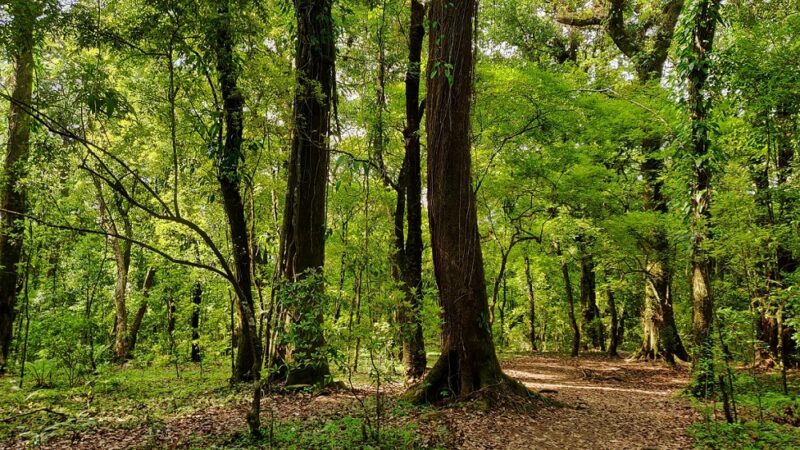
How vital is the physical and energetic environment in facilitating breathwork within a spa retreat? The answer transcends mere aesthetics. The spatial design, ambient soundscapes, lighting nuances, and aromatic elements coalesce to form a multisensory sanctuary where breath can flow uninhibited. Certified breathwork facilitators learn how to harness these environmental factors to evoke safety and openness. Considerations include acoustics that support sound healing or vocal toning, thermal regulation to encourage relaxation, and tactile comfort enhancing somatic connection. Facilitators become adept at curating these atmospherics to wield them as silent allies in deepening breath experience, thus elevating the session from instructional to sacred.
Ethical Considerations and Participant Safety in Retreat Facilitation
The intimate nature of breathwork, which often unveils latent emotions and physical tensions, necessitates a rigorous ethical framework. Facilitators undergo training on informed consent, confidentiality, and boundaries to honor participant autonomy and dignity. This is especially critical in retreat settings where relationships may endure beyond individual sessions, and emotional responses can be amplified by the collective energy. A certified breathwork facilitator is equipped to identify contraindications, recognize signs of distress, and provide appropriate referrals when breathwork falls outside the participant’s safe zone. Adherence to these principles underpins the integrity of the retreat experience and safeguards the well-being of every individual present.
Marketing and Integrating Breathwork into Spa Retreat Offerings
From a business perspective, how does one successfully navigate the integration of breathwork into existing spa retreat programs? Certification programs often include training on positioning breathwork as a compelling complement rather than a standalone service. Facilitators learn strategic branding approaches, client communication techniques, and collaborative methods for working alongside other wellness practitioners. This holistic marketing strategy is essential in carving out a niche in a saturated wellness market. Moreover, breathwork can elevate a retreat’s profile by delivering uniquely memorable experiences that encourage repeat attendance and word-of-mouth referrals, thus fostering sustainable growth and enriched client relationships.
The Transformative Potential of Becoming a Breathwork Facilitator in Spa Retreats
Ultimately, breathwork certification tailored to spa retreat facilitation is more than professional credentialing—it is an invitation to embody profound transformation oneself while shepherding others toward healing. It challenges facilitators to harmonize technical proficiency with heartfelt presence, to remain adaptable amidst unpredictability, and to continuously deepen their understanding of breath as both a science and an art. While the path demands dedication and empathy, the reward is a career and practice imbued with purpose, creativity, and the possibility to touch lives in a uniquely intimate manner within the restorative embrace of spa retreats.