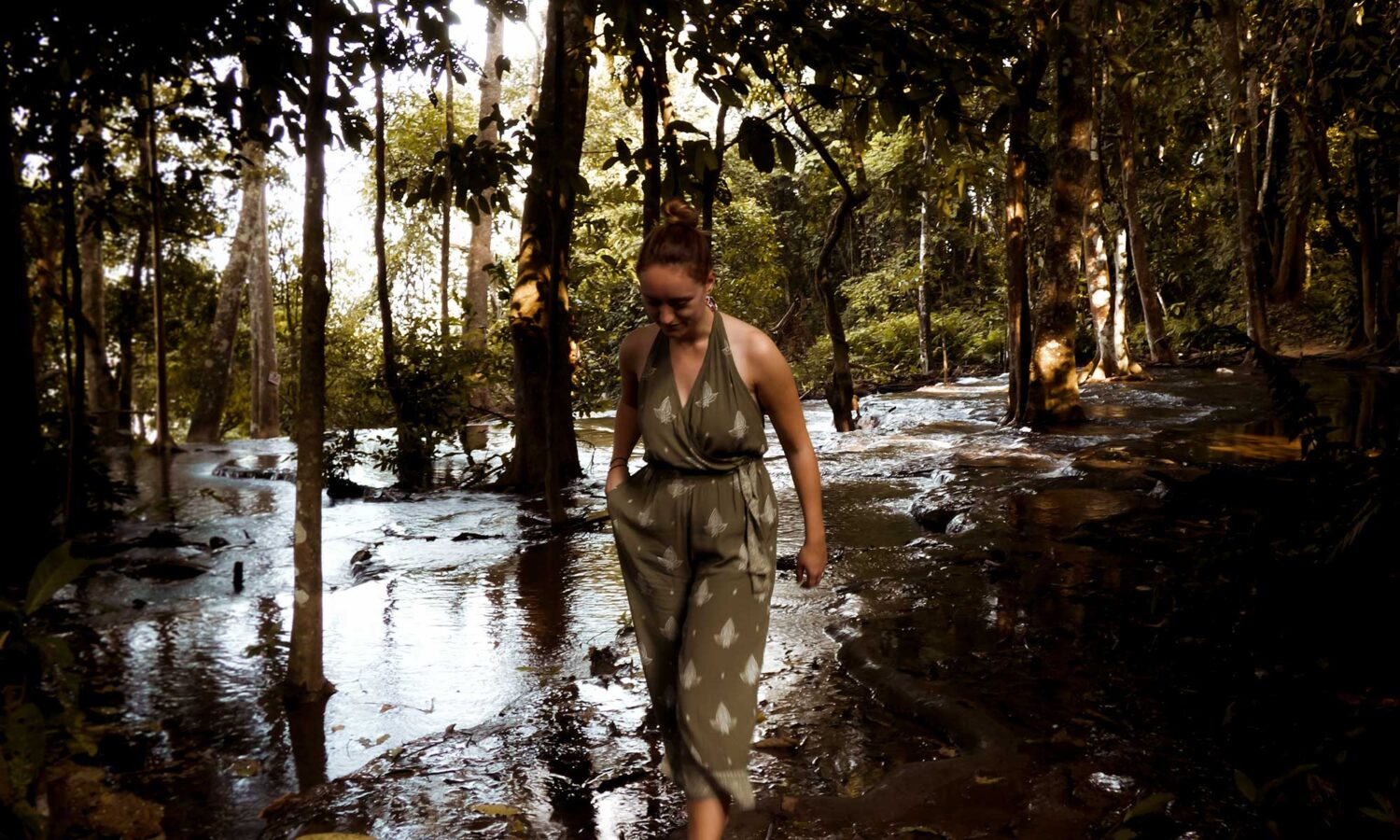
Traveling through Southeast Asia during the monsoon season can feel like navigating a living, breathing landscape that constantly reinvents itself. The right packing strategy not only protects you from sudden downpours but also unlocks a fresh way of experiencing bustling markets, misty jungles, and hidden waterfalls. Below is a comprehensive list of items and tactics that will transform your monsoon adventure from a cautious trek into a confident, curiosity‑driven exploration.
1. Waterproof Pack Essentials
A high‑quality dry bag or a large, zip‑locked trash bag is indispensable for safeguarding electronics, documents, and clothing. Place your backpack inside the dry bag, then use smaller inner dry pouches for phones, wallets, and camera gear. The added layer prevents water from seeping in through seams, ensuring that a sudden squall won’t ruin your itinerary or memories.
2. Quick‑Dry, Moisture‑Wicking Clothing
Invest in fabrics such as polyester, nylon, or merino wool that dry within minutes after a rain shower. Pack at least two sets of shirts, lightweight trousers, and a long‑sleeve layer for sun protection. The ability to rinse a shirt after a trek and wear it dry later keeps you comfortable and reduces the bulk of extra clothing.
3. Compact, Packable Raincoat
A breathable, packable rain jacket with sealed seams is a game‑changer. Look for a design that folds into its own chest pocket, keeping it accessible when clouds gather. Ventilation features like pit zips prevent overheating, while a wide hood shields both your head and a small backpack from the deluge.
4. Waterproof Footwear and Socks
Choose closed‑toe shoes with a water‑resistant membrane (e.g., Gore‑Tex) for day hikes and urban travel. Pair them with quick‑dry, antimicrobial socks to avoid odor and fungal infections common in humid conditions. For beach days, a sturdy pair of flip‑flops with a non‑slip sole provides safety on slippery pebbles.
5. Portable Power Solutions
Monsoon clouds often mean limited sunlight for solar chargers, so a high‑capacity power bank (10,000 mAh or more) becomes essential. Pack a universal travel adapter with USB‑C output and, if possible, a small, rugged solar panel as a backup for longer stays in remote areas.
A microfiber towel folds down to the size of a paperback and absorbs moisture rapidly, making it ideal for drying off after rain or for impromptu picnics. A lightweight travel sheet doubles as a ground cover, a makeshift poncho, or a privacy blanket in shared dormitories. Mid‑rainfall creates breeding grounds for mosquitoes that carry dengue and malaria. Pack a DEET‑based repellent, a permethrin‑treated clothing spray, and a fine‑mesh sleeping net. Applying these measures before dusk shifts your focus from caution to enjoyment of night markets and riverside dinner spots. A small, waterproof pouch containing blister pads, antiseptic wipes, waterproof bandages, and an oral rehydration sachet can be a lifesaver after a trek in slippery terrain. Including a basic anti‑diarrheal medication anticipates common travel ailments, letting you stay on the road without interruption. A lightweight, sealed case for your camera or smartphone protects lenses from rain‑splashes while allowing you to capture the dramatic monsoon scenery. Consider a small, waterproof action cam that can be clipped to a dry bag, ensuring you never miss a sudden waterfall or bustling night market illuminated by storm‑lit lanterns. Staying hydrated is critical when humidity spikes and temperatures fluctuate. A stainless‑steel bottle with a silicone seal prevents leaks inside your pack and stays cool longer than plastic alternatives. Using refill stations reduces plastic waste, aligning your travel ethics with the region’s growing eco‑conscious movement. A secondary, foldable daypack lets you separate wet items from dry ones during rain‑heavy excursions. Choose one with an integrated rain cover that zips over the main compartment, providing an extra barrier against drizzle while you explore temples or street food stalls. Monsoon humidity means clothes can develop odor quickly. A small packet of biodegradable detergent lets you hand‑wash garments in hotel sinks or hostel basins. Rinse and hang items on a travel sheet to air‑dry; the process not only keeps you fresh but also reduces the need to overpack. Organizing gear inside waterproof‑lined cubes prevents moisture from migrating between compartments. This system maintains a dry core of essentials while allowing you to locate items quickly, turning packing from a reactive chore into a proactive, streamlined routine. Even a short, intense shower can leave you drenched. A small, reinforced frame umbrella fits easily into a side pocket of your backpack and opens in seconds. Its aerodynamic shape reduces the risk of inversion in gusty monsoon winds, giving you confidence to walk down bustling streets regardless of the forecast. Long bus rides and overnight trains become more uncomfortable when humidity rises. An inflatable pillow that packs flat, combined with soft‑foam earplugs, ensures restful sleep despite the constant patter of rain against the windows, letting you arrive refreshed for each new destination. A small, clear, zip‑locked sleeve keeps cash, credit cards, and travel documents dry while still visible for quick transactions. This simple addition eliminates the anxiety of soggy receipts or ruined bank cards, allowing you to focus on bargaining at markets rather than protecting your wallet. If your itinerary includes nights in rural areas or national parks, a compact tent or hammock equipped with a rain fly offers shelter from sudden storms. The quick‑set design reduces assembly time, granting you more daylight for exploration and less time wrestling with tangled poles. Powerful humidity can spoil open food packages. Pack energy bars, dried fruit, and instant noodle packets sealed in zip‑lock bags. Having a reliable, dry snack supply keeps you fueled during extended travel delays caused by heavy rain, turning inconvenient pauses into opportunities for a quick bite. Rain‑soaked environments can increase the presence of bacteria on public surfaces. A small bottle of alcohol‑based sanitizer and a pack of wipes let you clean hands, railings, and shared equipment before eating or touching your face, maintaining health without sacrificing spontaneity. Finally, create a checklist that includes each of the items above, ranked by priority and weather‑proof status. Revisiting the list before each departure point reinforces a mindset that anticipates change, turning the monsoon’s unpredictability into a catalyst for deeper cultural immersion and personal growth.7. Insect Protection Kit
8. Compact First‑Aid Essentials
9. Water‑Resistant Camera Gear
10. Reusable, Leak‑Proof Water Bottle
11. Foldable Daypack with Rain Cover
12. Travel‑Size Laundry Detergent
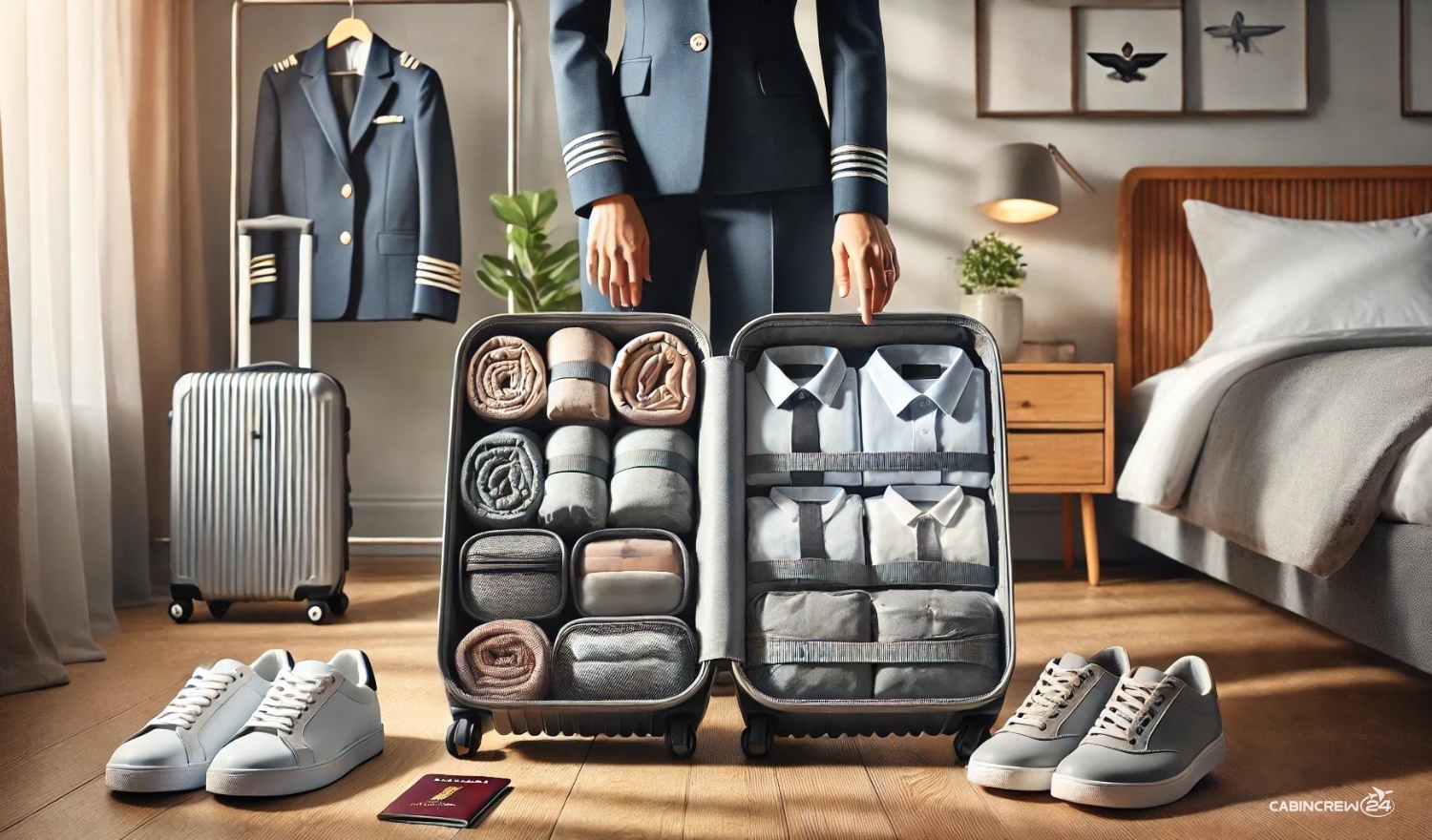
13. Lightweight Packing Cubes with Waterproof Liners
14. Compact Umbrella with Wind‑Resistant Design
15. Adjustable Travel Pillow and Earplugs
16. Local Currency Waterproof Sleeve
17. Durable, Quick‑Set Tent or Hammock with Rain Fly
18. Snacks in Airtight Packaging
19. Portable Hand Sanitizer and Antibacterial Wipes
20. Mindful Packing Checklist