When travelers discuss the world’s finest gastronomic destinations, the conversation often gravitates toward Michelin stars, celebrity chefs, or glossy magazine covers. Yet a quieter, more telling truth emerges when you ask the people who actually live there. Locals do not measure a city’s food scene by its accolades alone; they measure it by rhythm, ritual, and the quiet persistence of tradition. The cities that follow are not merely places to eat—they are living archives of culture, where every dish tells a story of migration, climate, and defiance against homogenization. Here, ranked by the authentic voices of their residents, are the 15 best food cities in the world for 2026.
Osaka: The Kitchen of the Nation
Osaka’s moniker, tenka no daidokoro—the nation’s kitchen—is no mere boast. Locals here treat food as both sustenance and spectacle, where even the humblest takoyaki stall operates with theatrical precision. Unlike Tokyo’s formal dining, Osaka thrives on kui-daore: the art of eating until you collapse. The Dotonbori district pulses with neon and steam, but the real magic lies in the back alleys of Shinsekai, where octopus balls and okonomiyaki are flipped with decades of muscle memory. Insiders know that the city’s soul resides in its konamon culture—flour-based comfort foods that defy sophistication yet demand perfection.
Mexico City: A Mesquite-Soaked Palimpsest
To walk through Mexico City’s mercados is to traverse centuries. The mole sauces here are not recipes but genealogies, each variant encoding a family’s migration from Oaxaca, Puebla, or Veracruz. Locals rank their city’s supremacy not by white-tablecloth restaurants but by the tlacoyo vendors who still grind blue corn on volcanic metates. The city’s recent nixtamalization revival—returning maize to its ancestral preparation—has sparked a quiet revolution in tortillerías, where the faint lime aroma signals authenticity. As one chilango put it, “We do not eat tacos; we negotiate history in a tortilla.”
Bangkok: The Fermentation Frontier
Bangkok’s culinary landscape is a study in controlled chaos, where pla ra (fermented fish sauce) perfumes the air alongside coconut cream. Locals understand that the city’s true genius lies not in its pad thai, but in its khua kling—a dry curry from the south that scorches the palate with turmeric and bird’s eye chilies. The soi (lanes) of Yaowarat reek of star anise and charcoal, while street-side vendors wield cleavers with the precision of surgeons. What fascinates is the Bangkokian’s obsession with lap: a balance of sour, salty, and bitter that challenges Western binary palates. Here, food is not consumed; it is pieced together like a forensic puzzle.
Istanbul: Where Two Continents Collide in a Pot
Istanbul’s culinary identity is a fault line where Europe and Asia grind against each other, creating seismic flavors. The manti (Turkish dumplings) here are smaller than their cousins, each one a pocket of lamb and allspice that demands patience to fold. Locals know to look for the yoğurtçu who makes süzme yoğurt from water buffalo milk—a tangy, almost cheesy product that no supermarket can replicate. The balık ekmek vendors near the Galata Bridge serve mackerel sandwiches that taste of the Bosphorus’s briny currents. What outsiders miss is the meyhane culture: a ritual of meze, rakı, and melancholy songs that transforms eating into a philosophical act.
Lima: The Pacific’s Hydrogen Bond
Lima’s gastronomic rise is often attributed to ceviche, but locals insist the city’s soul is marinated in causa—a potato terrine layered with aji amarillo and tuna. The callejones (alleyways) of Barranco hide anticuchos stalls where beef hearts are charred over coal, the smoke mingling with sea fog. What makes Lima singular is its chala (coastal) ecology: the Humboldt Current delivers perico (parrotfish) and conchas negras (black clams) that taste of minerals and cold water. Locals speak of terruño—a concept of terroir that extends to the ocean’s upwellings. To eat here is to taste geography in its rawest form.
Naples: The Alchemy of Poverty
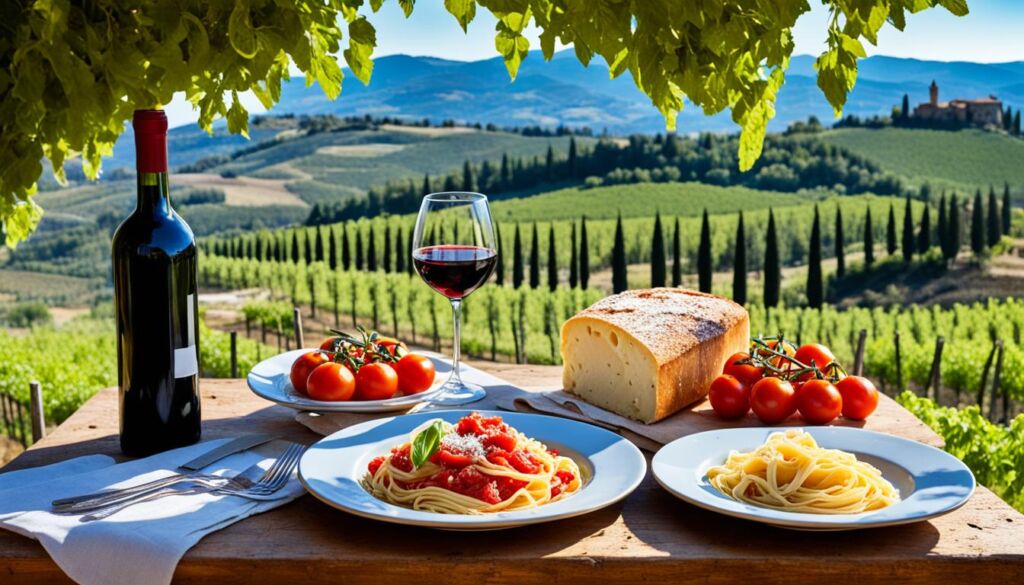
Naples does not merely cook; it transmutes scarcity into splendor. The pizza marinara—tomato, garlic, oregano—was born from the lack of cheese, yet its simplicity is deceptive. Locals judge pizzerias by the cornicione (crust), which should be airy, leopard-spotted, and slightly bitter from char. Beyond pizza, the city’s sfogliatella pastries require a laminations skill that border on mathematical. The vicoli (alleyways) of the Quartieri Spagnoli reek of basil and frying oil, where cuoppo (paper cones of fried seafood) are consumed standing, the salt wind carrying gossip. Naples’ genius lies in making poverty taste like luxury.
Marrakech: The Slow Burn of the Sahara
Marrakech’s food defies speed. The tagines here are not just braises; they are distillations of sunlight and patience, cooked over kanoun (charcoal braziers) for hours until the meat surrenders. Locals navigate the Djemaa el-Fna by scent: the harira vendor’s cumin, the msemen griddle’s butter, the brochettes smoke that stings the eyes. The deeper fascination lies in the amlou (argan oil and almond paste), a pre-colonial energy paste that survives in souks. Recipes here are oral, passed through darija whispers, and no two versions are identical. Marrakech teaches that flavor cannot be rushed—only seduced.
Seoul: The Fermentation Matrix
Seoul’s jjigae (stews) and jeon (pancakes) are mere entry points into a city that worships jang—the fermented soybean pastes that underpin every meal. Locals do not just eat kimchi; they grade it by siwonhan (refreshing) quality and the crunch of napa cabbage at peak gimjang season. The pojangmacha (street tents) of Jongno serve sundae (blood sausages) with ttangkong (peanut sauce) that warms the throat. What unsettles outsiders is the makgeolli culture—a milky, fizzy rice wine that pairs with pajeon in a ritual designed to wash away sorrow. Seoul’s cuisine is a system of preservation, a bulwark against winter and forgetting.
Melbourne: The Diaspora’s Kitchen
Melbourne’s food scene is a palimpsest of migrations written in pho (Vietnamese), borek (Turkish), and saganaki (Greek). Locals know that the best banh mi is found not in trendy cafes but in Footscray’s converted milk bars, where the pâté is still made with pork liver and fish sauce. The city’s obsession with coffee is not pretension but ritual: flat whites from roasters like Proud Mary and Market Lane are engineered with mathematical precision. What distinguishes Melbourne is its tuck shop culture—a reverence for the unpretentious, from pavlovas at community halls to vegemite scrolls at suburban bakeries. Here, food is an archive of who we were and who we are becoming.
Dakar: The Gauntlet of the Atlantic
Dakar’s thiéboudienne (fish and rice) is Senegal’s national dish, but locals will argue for hours about whose grandmother’s yët (recipe) is correct. The marchés of Sandaga overflow with yassa (onion-marinated chicken) and mafe (peanut sauce) that carry the heat of the Sahel. What often startles visitors is the lalo (baobab leaf powder) used to thicken sauces—a flavor that is earthy, sour, and utterly alien to Western palates. Dakar’s food is a gauntlet of textures and spices, a negotiation between the Atlantic’s bounty and the desert’s austerity. Locals measure a restaurant by its tann (smoky) undertones, a taste of coal and salt.
Tokyo: The Cathedral of the Ordinary
Tokyo’s reputation for sushi and ramen is almost cliché, yet locals find profundity in the quotidian. A onigiri from a convenience store can be a meditation if the rice is cooked to the correct shari (vinegared perfection). The city’s yokocho (alleyways) hide oden shops where daikon simmer for 48 hours until translucent. What outsiders miss is kata-ude (the left-handedness of a chef who trains for a decade)—an obsession with asymmetry that defies standardization. Tokyo’s genius is not complexity but precision: a bowl of katsudon where each grain of rice stands distinct, a testament to water, starch, and time.
Barcelona: The Salt and the Sea
Barcelona’s calçotades (spring onion feasts) are seasonal rituals where locals char leeks over vine fires and dip them in romesco. But the city’s backbone is suquet (fish stew), a dish that smells of saffron, rocks, and the Mediterranean’s posidonia grass. The Boqueria market still supplies gambas rojas from Palamós, which are eaten raw, their heads sucked for the coral-colored roe. Locals mock tourists who order paella at lunch; the real obsession is arròs negre—black rice tinted with squid ink, served with allioli that splits if the emulsion breaks. Barcelona’s food is a ritual of seasonal surrender.
Cape Town: The Fynbos and the Fire
Cape Town’s location between the Atlantic and Indian Oceans creates a unique crinoid of flavors. The bobotie (spiced meat with custard) reflects Malay heritage, but locals treasure the waterblommetjiebredie (water lily stew) that only appears in winter. The city’s braai (barbecue) culture is sacred: boerewors (sausage) must be coiled, not linked, and the sosaties are marinated in tamarind and dried apricots. What fascinates is the use of fynbos (heather) honey and buchu (herbal) rubs, flavors that taste of the Cape Floral Kingdom’s endemic plants. Cape Town’s cuisine is an ecological argument—a taste of place that cannot be replicated elsewhere.
Copenhagen: The Geometry of the Root
Copenhagen’s New Nordic movement often overshadows its soul, which is found in smørrebrød (open sandwiches) and rødgrød med fløde (red berry pudding). Locals speak of havremælk (oat milk) and rugbrød (rye bread) with a reverence that borders on liturgical. The city’s torvehallerne (market halls) sell sødesteg (sweet-roasted pork) with crackling that shatters like glass. What sets Copenhagen apart is its foraging ethos: ramsløg (wild garlic) and skovsyre (wood sorrel) appear in Michelin-starred dishes and home kitchens alike. Here, simplicity is not reductionist—it is an architectural act, a celebration of the root’s geometry.
New Orleans: The Swamp’s Jazz Roux
New Orleans’s gumbo is not a soup but a civilizational document, its roux (oil and flour) darkened to the color of espresso. Locals argue over file powder versus okra, but both are chicanas—negotiations between French, African, and Choctaw influences. The po-boy (fried shrimp sandwich) must be dressed with dressed lettuce, tomato, and pickles, the bread “leaning” from the weight. Beneath the carnival of beignets and jambalaya lies a fierce localism: the parish (county) lines determine who makes the best boudin (rice sausage). New Orleans’s food is a polyrhythm—additive, syncopated, and unashamedly sticky fingers. It promises nothing but the truth of the moment, seasoned with filé and sorrow.