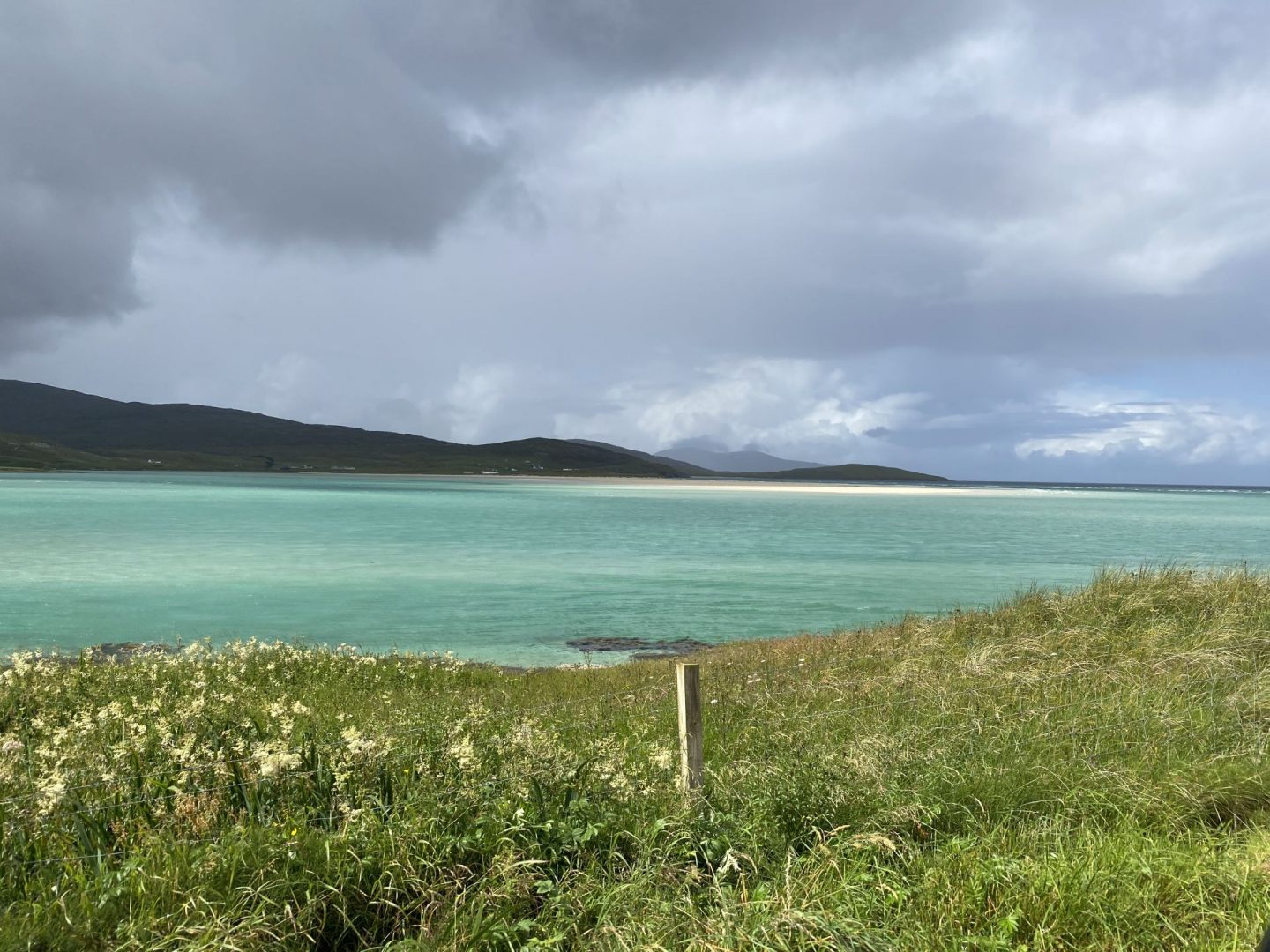
The Isle of Harris, often dubbed “the Scottish Maldives,” offers a striking juxtaposition of rugged Highland terrain and pristine, turquoise coves that rival the most famed tropical beaches. Its remote location, dramatic cliffs, and crystalline waters create an unforgettable landscape that beckons travelers seeking both serenity and adventure. Below is a curated list of the must‑see highlights that embody the island’s unique allure.
1. Luskentyre Beach – A White‑Sand Canvas
Stretching over three miles of powdery white sand, Luskentyre Beach reads like a blank canvas brushed with turquoise hues. The sand’s fine texture mirrors the softness of tropical shores, while the surrounding dunes provide a natural backdrop for sunrise photography. The tide pools here reveal intricate marine life, making the beach both a visual feast and a quiet spot for contemplative walks.
2. Seilebhoran – The “Blue Lagoon” of the Hebrides
Seilebhoran’s sheltered bay cradles calm, sapphire‑coloured waters that shimmer like liquid glass. The gentle lap of waves against the pebble shoreline creates a soothing rhythm, inviting swimmers and kayakers alike. Its clear depths reveal a hidden world of seaweed forests, offering a rare glimpse into the island’s underwater ecosystem without the crowds of typical tourist hot spots.
3. Harris Distillery – Whisky Meets Ocean Air
Set against the horizon of the Atlantic, Harris Distillery blends the smoky essence of traditional Scotch with a salty sea breeze. Guided tours walk visitors through the malting, fermentation, and cask‑aging processes, culminating in tastings that showcase the whisky’s subtle maritime notes. The distillery’s location emphasizes the island’s dual identity: a place of robust industrial heritage and untouched natural beauty.
4. The Callanish Standing Stones – Ancient Sentinels
Although located on nearby Lewis, the Callanish stones are a short drive from Harris and form a mystical stone circle that predates the pyramids. Their arrangement aligns with celestial events, offering a tangible link to the island’s prehistoric past. Visitors often describe the stones as silent guardians, standing watch over the rolling moors and the restless sea.
5. Isle of Taransay – A Private Eden
Accessible only by ferry, the island of Taransay presents a secluded refuge where rugged cliffs meet pristine beaches. Its limited human footprint preserves a habitat teeming with seals, otters, and a variety of seabirds. The island’s walking trails wind through heather‑clad hills, providing panoramic vistas that make the journey feel like stepping into an uncharted, tropical archipelago.
6. Horgabost – The Hidden Cove for Snorkeling
Horgabost’s secluded inlet offers crystal‑clear water ideal for snorkeling. The cove’s natural rock arches shelter a vibrant reef of kelp and colourful fish, creating an underwater tableau reminiscent of coral gardens in far‑flung islands. The calm conditions and limited foot traffic ensure an intimate encounter with marine life, free from the bustle of larger tourist sites.
7. Harris Tweed Museum – Threads of Tradition
The Harris Tweed Museum celebrates a textile heritage woven into the island’s cultural fabric. Exhibits trace the evolution of the iconic cloth from humble hand‑loomed beginnings to contemporary fashion. Visitors can observe master weavers at work, offering insights into a craft that has endured for centuries, much like the enduring cliffs that define Harris’s coastline.
8. Rodel – A Village Steeped in History
Rodel’s historic chapel, St. Clement’s, stands atop a stone mound overlooking the sea, its silhouette an emblem of timeless resilience. The village’s narrow lanes and stone cottages exude a quiet charm, while local storytellers share legends that echo the island’s maritime past. A stroll through Rodel feels like stepping back into a living tapestry of Scottish folklore.
9. Ardvourlie Loch – Freshwater Reflections
Set inland amid rolling hills, Ardvourlie Loch offers a contrasting mirror to the ocean’s turquoise expanse. Its still waters reflect the surrounding landscape, creating a tranquil environment for fishing, canoeing, or simply enjoying a picnic. The loch’s surrounding woodlands provide habitats for deer and rare bird species, enriching the island’s biodiversity.
10. The Cliffs of Scarista – Natural Fortresses
The towering cliffs of Scarista rise sharply from the sea, forming natural fortresses that guard the island’s western shores. From the cliff‑top paths, visitors can survey sweeping vistas of white‑capped waves crashing against basalt rock. The wind‑swept height offers a dramatic perspective, reminding travelers of the raw power that shaped this remote paradise.
11. Stornoway Ferry Terminal – Gateway to Exploration
The modern ferry terminal in Stornoway serves as the primary portal for travelers arriving from mainland Scotland. Its efficient services connect Harris with the rest of the Hebrides, while nearby cafes provide a warm welcome with locally sourced delicacies. The terminal’s design integrates sleek functionality with the island’s rugged aesthetic, symbolising progress without eroding tradition.
12. Harris Bird Observatory – A Flight Path Sanctuary
Located on the north‑western edge of the island, the Harris Bird Observatory monitors migratory patterns of thousands of seabirds each year. Its observation posts offer prime viewing opportunities for ornithologists and casual birdwatchers alike. The steady rhythm of wing‑beats overhead serves as a reminder that, despite its tropical moniker, Harris remains a vital link in the global avian corridor.