Exploring Hawaii doesn’t have to be limited to luxury resorts and pricey excursions. By rethinking where you stay, how you eat, and which experiences you prioritize, you can uncover a vibrant side of the islands that fits comfortably within a hostel budget. This guide shifts the usual perspective from tourist‑centric extravagance to authentic, affordable adventure, revealing hidden gems and practical strategies that make the Aloha spirit accessible to any traveler willing to think a little differently.
1. Prioritize Oahu’s North Shore for Budget Accommodations
The North Shore offers a concentration of hostels and budget inns that are significantly cheaper than Honolulu’s downtown options. By staying in towns like Haleiwa, you gain easy access to surf culture, local eateries, and public beaches while saving on nightly rates. The area’s laid‑back vibe also reduces the temptation to overspend on nightlife, letting you channel funds toward memorable day trips.
2. Book Hostels During the Off‑Season
Traveling between mid‑April and early June or from September to mid‑December means hostels drop their rates by up to 30 %. The weather remains pleasant, and the islands are less crowded, giving you more space on the beaches and a quieter atmosphere for exploring. Early booking during these periods locks in the best deals and often includes free cancellation.
3. Leverage Community Kitchens in Hostels
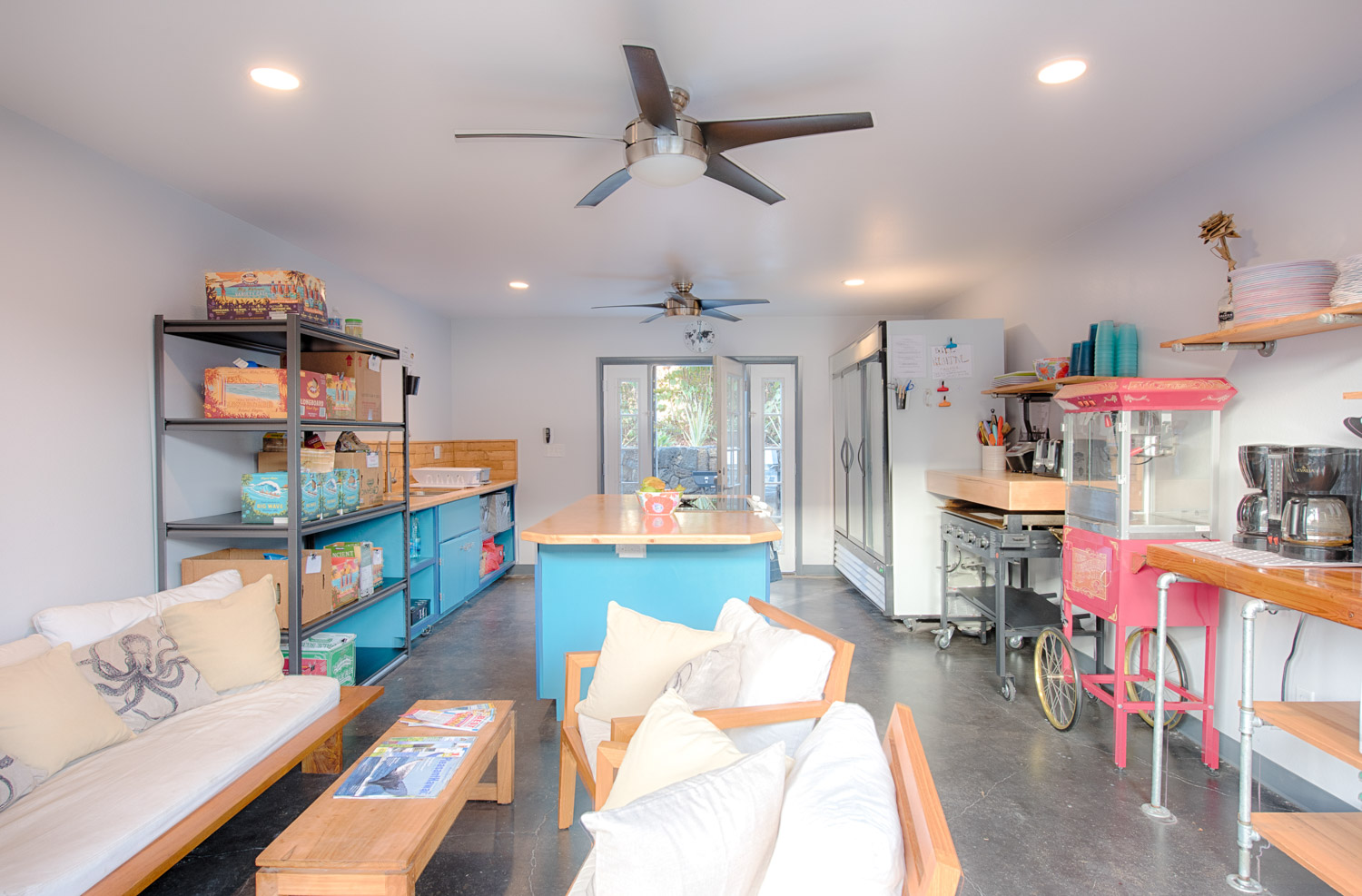
Many hostels in Hawaii provide shared kitchens stocked with basic cookware. By purchasing groceries from local supermarkets or farmers’ markets, you can prepare simple meals—think fresh fruit, poke bowls, and rice dishes—rather than relying on expensive restaurant meals. This not only saves money but also immerses you in the local food culture.
4. Use the Island‑Wide Bus System (The “The Bus”)
Oahu’s public transportation network covers most major attractions for a single fare of $3.00 per ride or a $5.50 day pass. Riding the bus to locations like Diamond Head, the Pearl Harbor Memorial, and the Hanauma Bay Nature Preserve eliminates the need for costly car rentals or taxis, and it offers a genuine glimpse into everyday Hawaiian life.
5. Swap Guided Tours for Self‑Guided Hikes
Instead of paying for guided excursions, download free trail maps from the Hawaii State Parks website and explore iconic hikes such as the Makapuʻu Lighthouse Trail or the Waimea Canyon Loop on Kauai. These paths are well‑marked, require no reservation, and provide spectacular vistas without the added expense of a tour guide.
6. Embrace Free Cultural Events
Many towns host free hula performances, ukulele concerts, and lei‑making workshops, especially during cultural festivals like Lei Day (May 1) and the Aloha Festivals in September. Checking local community calendars or visiting visitor centers can uncover these events, allowing you to experience authentic Hawaiian traditions at no cost.
7. Choose Farm‑to‑Table Food Trucks Over Restaurants
Food trucks in places like Waikiki and Lahaina serve fresh, locally sourced dishes for $8–$12, offering a taste of Hawaiian cuisine without the restaurant markup. Opt for dishes like fish tacos, acai bowls, or kalua pork sliders, which are both filling and budget‑friendly, and support local entrepreneurs.
8. Rent Snorkeling Gear Instead of Buying
Most beachside shops on Maui, Kauai, and the Big Island rent snorkel sets for $5–$10 per day. This is far cheaper than purchasing equipment and eliminates the hassle of transporting gear. Choose popular snorkeling spots like Turtle Town on Maui or Kealakekua Bay on the Big Island, where marine life thrives and entry fees are minimal.
9. Take Advantage of Free Beach Parking
Many public beaches, especially on the less touristy sides of the islands, provide free or low‑cost parking. Arriving early secures a spot and avoids the higher fees charged at popular spots like Waikiki. Research beach maps online to locate free parking zones and plan your day accordingly.
10. Use Discounted Activity Passes
Sites such as the Volcanoes National Park on the Big Island and Haleakalā National Park on Maui offer affordable entrance fees (often under $30). Purchasing an annual “America the Beautiful” pass for $80 can cover multiple parks if you plan to explore several islands, delivering long‑term savings.
11. Participate in Hostel Social Nights
Hostels regularly organize free or low‑cost social events—movie nights, surf lessons, or group hikes. Engaging with these activities not only reduces the need to spend on separate entertainment but also connects you with fellow travelers who may share rides or tips, expanding your network without extra cost.
12. Shop at Local Farmers’ Markets for Fresh Produce
Farmers’ markets across the islands, such as the Kapi‘olani Community College market in Honolulu or the Hilo Farmers Market on the Big Island, sell tropical fruits, fresh taro, and homemade snacks at inexpensive prices. Buying a few items for breakfast or a picnic provides nutritious meals while immersing you in the local community.