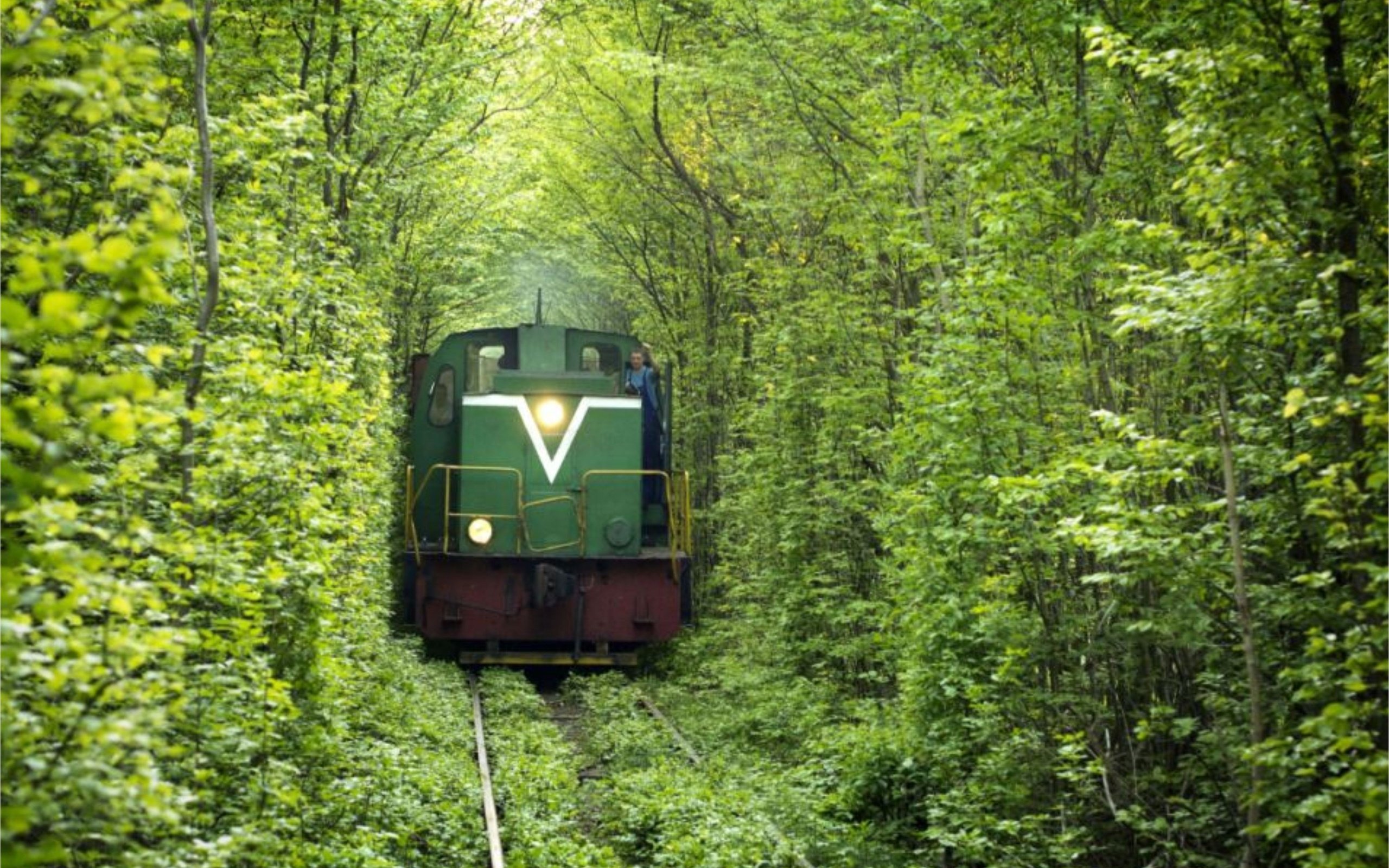
The Tunnel of Love, a narrow rail corridor surrounded by towering trees and lush vegetation near Klevan in western Ukraine, has become a pilgrimage site for couples, photographers, and curious travelers. While the sight of a train snaking through a verdant tunnel is striking, the location’s persistent allure goes beyond simple novelty. Below are the key observations that draw visitors and the deeper cultural, environmental, and historical factors that sustain the fascination.
1. The Visual Contrast Between Steel and Green
At first glance, the tunnel’s stark juxtaposition of rusted rails against a canopy of emerald foliage creates a striking visual tableau. The dark iron tracks absorb ambient light, while the surrounding leaves filter sunlight into dappled patterns. This contrast satisfies a basic human preference for photogenic scenes, making the location instantly shareable on social media platforms.
2. Seasonal Transformation as a Living Canvas
Each season reshapes the tunnel’s palette: fresh spring greens, dense summer foliage, amber autumn tones, and a skeletal winter outline. Travelers notice that the same train ride can feel entirely different depending on the month, reinforcing the idea that the tunnel is a dynamic artwork rather than a static monument.
3. The Railway’s Historical Roots
Built in the early 20th century to connect regional agricultural towns, the line once served freight and passenger traffic vital to the local economy. The tunnel’s original purpose—pragmatic transport—has been eclipsed by its romantic rebranding, yet the lingering sense of history adds depth to the visitor experience.
4. Myths of Eternal Love
Local folklore claims that couples who travel together through the tunnel will enjoy a lifelong bond. This legend, repeated in guidebooks and travel blogs, turns a simple train ride into a symbolic rite. The belief taps into universal human hopes for lasting affection, turning the tunnel into a tangible expression of intangible feelings.
5. Natural Greenhouse Effect
Because the trees form a near‑continuous wall, the tunnel captures heat and humidity, creating a microclimate that feels warm and intimate even on cooler days. Visitors note the gentle, fragrant air—a subtle sensory cue that deepens the emotional impact of the journey.
6. Photographic Accessibility
The low speed of the local trains, combined with a clear line of sight along the rails, provides ideal conditions for low‑light photography without the need for specialized equipment. This accessibility encourages amateurs to capture high‑quality images, further spreading the tunnel’s fame.
7. Limited Tourist Infrastructure
Unlike heavily commercialized attractions, the Tunnel of Love lacks large parking lots, souvenir shops, or ticketed entry. Its modest infrastructure preserves an authentic, unmediated encounter, which many travelers find increasingly rare in a world of curated experiences.
8. Geographic Proximity to Other Landmarks
Located near the historic town of Klevan and the scenic Polissya region, the tunnel fits into broader itineraries that include castles, traditional villages, and natural reserves. The ease of combining the tunnel visit with other cultural sites adds practical value to travel plans.
9. Symbolic Representation in Ukrainian Art
Artists and musicians have incorporated the tunnel’s image into paintings, songs, and poetry, solidifying its status as a national symbol of romantic resilience. This cultural embedding strengthens the tunnel’s identity beyond a mere curiosity, turning it into a recurring motif in contemporary Ukrainian expression.
10. The Quiet Rhythm of the Train
Unlike high‑speed services, the local train moves slowly, allowing passengers to observe every detail of the encroaching foliage. The rhythmic clatter of wheels on rails creates a meditative soundtrack, reinforcing the perception of the journey as a gentle, contemplative experience.
11. Visitor Interaction with the Environment
Travelers often step onto the tracks to photograph themselves beside the train, a practice that blurs the line between observer and participant. This interactivity fosters a personal connection to the site, making memories feel visceral rather than purely visual.
12. Sustainable Tourism Appeal
Because the tunnel is traversed via existing rail service, the environmental footprint of visiting is relatively low. Eco‑conscious travelers note this aspect, aligning the experience with broader trends toward responsible tourism and reinforcing the tunnel’s attractiveness to a growing market segment.