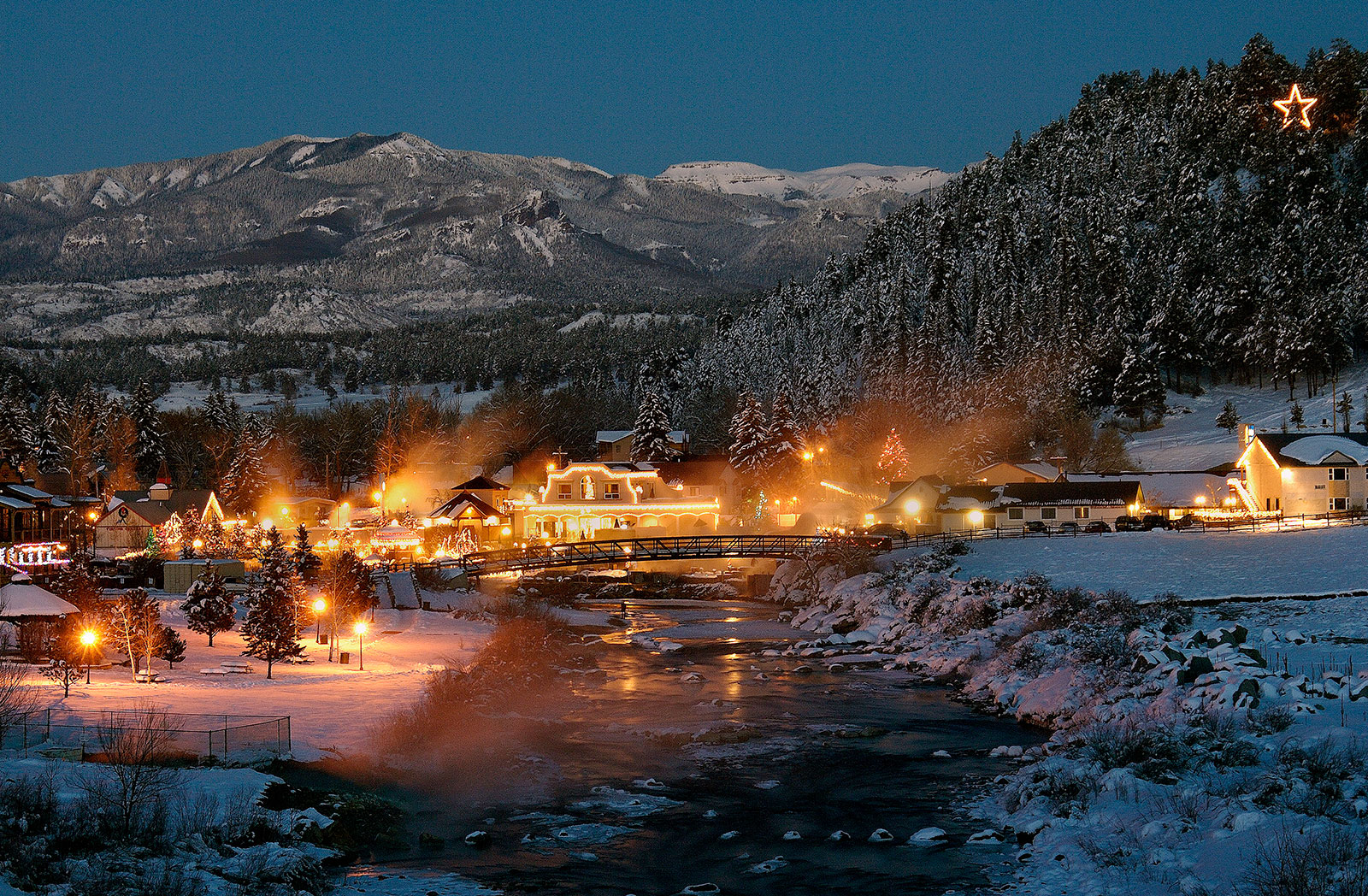
In a world that often seems to race by in blurred moments, slow travel offers a serenity akin to pressing the pause button on life’s relentless tempo. It is more than just a leisure activity; it is a deliberate act of immersion, a tender unraveling of place and heart alike. Through the gentle unfolding of days spent living like a local, travelers find themselves entwined with new communities, forging bonds deeper than fleeting acquaintance. In these connections lies the essence of discovering a “second family,” a chosen kinship that enriches the soul and provides a haven far from home.
The Alchemy of Slow Travel: Transforming Journeys into Relationships
Slow travel is the antithesis of the hurried itinerary. It invites voyagers to dwell, to observe, and to participate in the heartbeat of a locality. Instead of sprinting from landmark to landmark, slow travelers linger in neighborhood cafés, attend local festivals, and engage in everyday rituals. This extended presence works as a sort of social alchemy, converting mere visitors into temporary insiders. It is through this transformation that genuine, meaningful relationships—a second family—are born.
Imagine slow travel as a loom weaving threads of experience and empathy into a rich tapestry. With each shared meal, each small favor exchanged, the bonds strengthen. Unlike conventional travel, which sketches only surface impressions, slow travel carves deep valleys and peaks of emotional connection with the people who open their doors and lives.
Stories Woven From the Threads of Local Life
Consider the story of Emily, a writer who spent three months in a small coastal town in Portugal. At first, she was an outsider observing from the shore, hesitant and unsure. But as weeks folded into months, Emily joined a “fado” singing group where she was not only welcomed but embraced as one of their own. Here, music was the bridge that spanned cultural divides, and through singing the haunting local ballads nightly, she found herself part of a family choir that extended beyond biology or geography.
Then there is Raj, whose slow travel journey unfolded amid the bustling streets of a vibrant Indian bazaar. Through daily interactions with shopkeepers and street artists, Raj was invited into a home where he celebrated Diwali with a family who insisted he was “one of us now.” The flames of oil lamps mirrored the warmth of his newfound kinship, illuminating not just a festival but a profound belonging.
Unfolding the Map of Everyday Intimacies
To discover a second family through slow travel requires more than physical presence. It demands a conscious surrender to discovery, vulnerability, and reciprocity. Each small act of interaction—a shared recipe, an afternoon helping with garden work, a story told over cups of tea—builds a mosaic of intimacy. This mosaic reveals the unique appeal of slow travel: the chance to inhabit a space not as a ghostly traveler passing overnight, but as a participant in the ongoing narrative of place and people.
Patience is the medium that allows these relationships to flower. Time softens barriers, rendering cultural and linguistic differences into mere details, no longer impassable obstacles. As relationships deepen, slow travelers are no longer guests but members of extended households, invited to weddings, birthdays, and quiet moments of reflection alike.
Practices to Cultivate Your Own Second Family
Embracing slow travel begins with intention. Setting aside the compulsion to conquer destinations quickly, slow travelers open themselves to curiosity and kindness. Joining local clubs, volunteering, or enrolling in workshops can accelerate the process of integration. But more than structured activities, it’s the openness to spontaneous encounters that forges lasting connections.
For instance, brushing up on the local language—even rudimentary phrases—can break walls more effectively than grand gestures. Being present at community centers or markets invites serendipitous conversations, while sharing meals nurtures more than the body; it nourishes trust and familiarity. In these shared moments, a network of relationships blossoms, and with it, a family far from original roots takes shape.
The Unique Appeal of a “Second Family” in a Globalized World
In an age where digital connections often feel ephemeral, the tactile reality of a second family holds an irreplaceable charm. It is tangible: the clasp of hands, the collective laughter, the knowing glances that require no words. This kind of kinship transforms travel into an emotional odyssey, a quest that yields not souvenirs, but heartfelt solidarity.
The uniqueness lies in its effortless authenticity. Unlike the sometimes transactional nature of tourism, slow travel’s second family relationships thrive on mutual respect and genuine care. They are impervious to the ticking clock of hotel checkouts or airport departures. Instead, they exist in the enduring spaces carved by shared experiences and tender acceptance.
Challenges and Rewards: Navigating the Emotional Terrain
Creating a second family through slow travel is not without its complexities. Loneliness can occasionally surface as travelers root themselves far from original homes. Cultural misunderstandings may spark awkward moments. Yet these hurdles often become rites of passage, strengthening resilience and empathy.
The ultimate reward, however, eclipses the difficulties—a profound sense of belonging and a network of support that spans continents. These second families provide more than companionship; they reshape identity, enriching the traveler’s sense of self with threads of otherness woven into the whole.
Visualizing the Experience

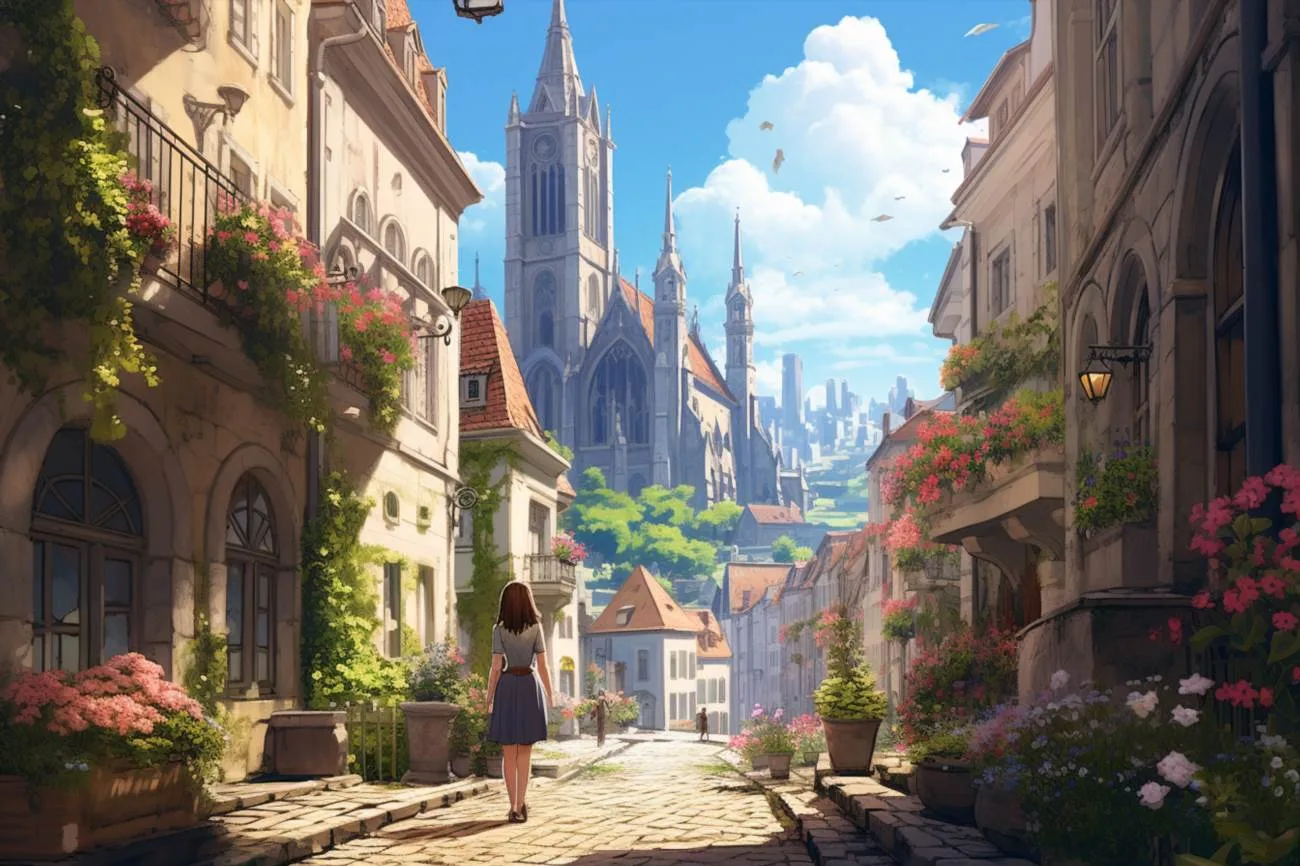
Much like the image of intertwining paths, slow travel carves unique routes that converge into meaningful intersections. This metaphorical journey leads beyond mere sightseeing to the essence of human connection and shared life.
Conclusion: The Slow Journey Toward Kinship
To find a second family through slow travel is to rewrite the traveler’s script from that of a transient observer to an embedded participant. It is a gradual weaving of lives and stories, where the slow unfolding becomes the most precious voyage of all. In this deliberate deceleration, travelers discover not just places, but people who welcome them as one of their own. A second family is more than warmth and welcome; it is an enduring sanctuary amid the vastness of the world. And in that sanctuary lies the soul of slow travel’s true magic.